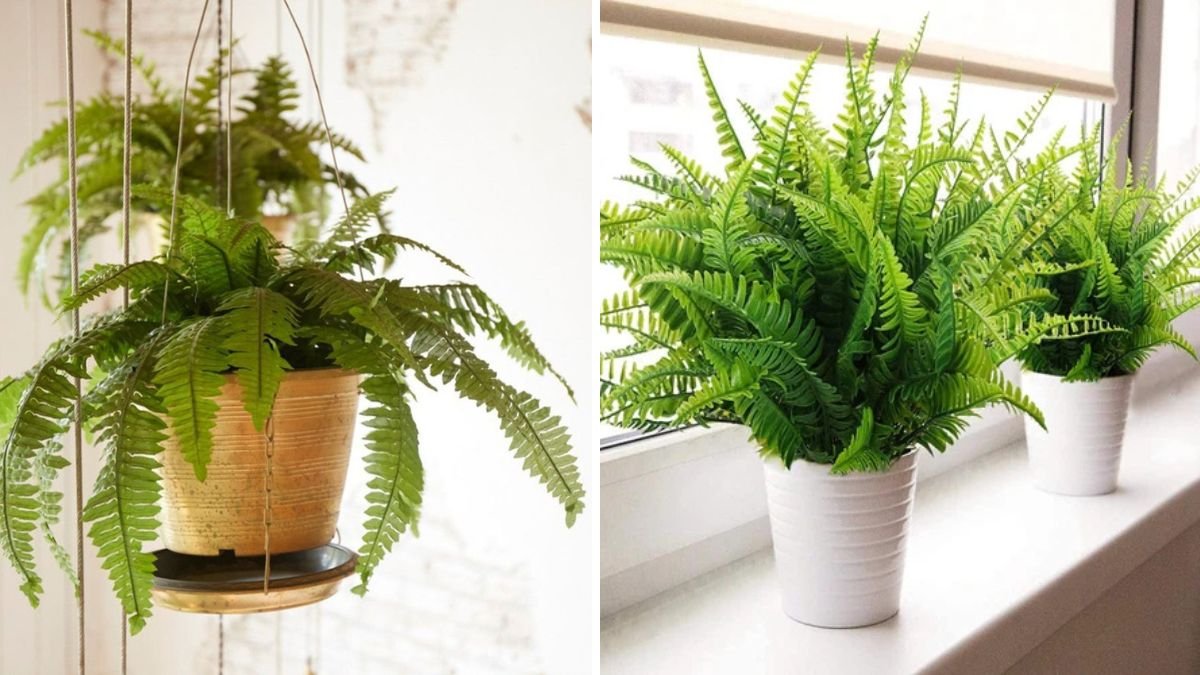

Ferns are some of the most enchanting plants you can grow at home. Their delicate fronds, lush green color, and air-purifying qualities make them perfect for indoor spaces, balconies, and shaded gardens. But many people shy away from growing ferns because they think propagation is difficult. The secret? You can grow ferns at home from spores, and it’s easier than most people realize!
In this guide, we’ll explore the fascinating process of sowing ferns from spores, essential tips for success, and how to care for your ferns as they grow into beautiful, healthy plants. Whether you’re a beginner or an experienced gardener, this article will help you master the art of fern propagation.
🌿 Why Ferns Are Special and Worth Growing
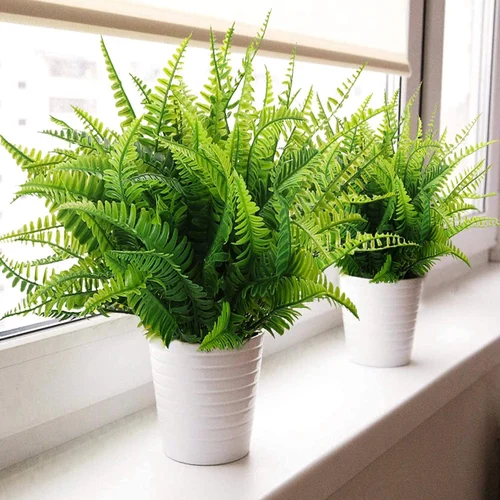
Ferns have been around for millions of years and are considered living fossils. Unlike most plants, they reproduce through spores instead of seeds, which is part of what makes growing them so intriguing.
Here’s why you should consider growing ferns at home:
- Air Purification: Ferns help remove toxins from indoor air, improving overall air quality.
- Aesthetic Appeal: Their intricate, feathery fronds create a natural, calming ambiance.
- Low Maintenance: Once established, ferns thrive with minimal attention.
- Propagation Fun: Growing ferns from spores is a rewarding gardening experience and allows you to produce many plants from just one parent.
🌱 Understanding Fern Spores
Before you start, it’s important to understand what fern spores are:
- Spores are like seeds: Tiny, powdery, and usually found on the underside of mature fern fronds.
- Spore color: Can vary from brown, black, or yellow, depending on the species.
- Reproduction: When conditions are right, spores germinate into prothalli, small heart-shaped structures, which eventually develop into mature ferns.
💡 Tip: Collecting spores from healthy, mature fronds increases your chances of success.
✔️ Step 1: Collecting Fern Spores
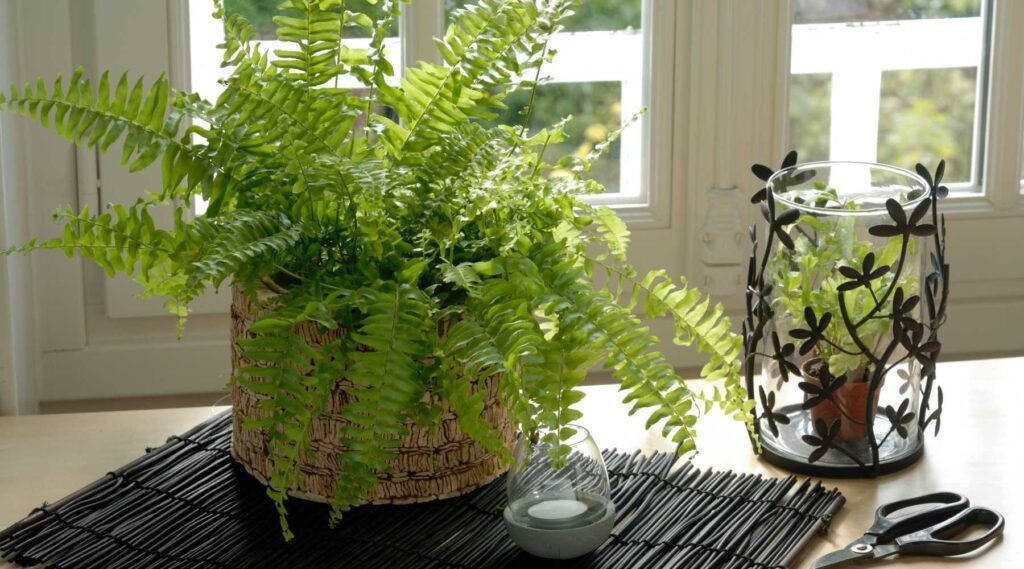
- Select a mature fern frond: Look for fronds with visible spore clusters (sori) on the underside.
- Wait for spores to mature: Sori usually turn dark when ready for collection.
- Collect spores:
- Place a paper or envelope under the frond.
- Tap or gently shake the frond to release spores.
- Store in a dry, cool place until sowing.
💡 Pro Tip: Avoid collecting spores in humid or wet weather, as moisture can reduce viability.
🌿 Step 2: Preparing the Sowing Medium
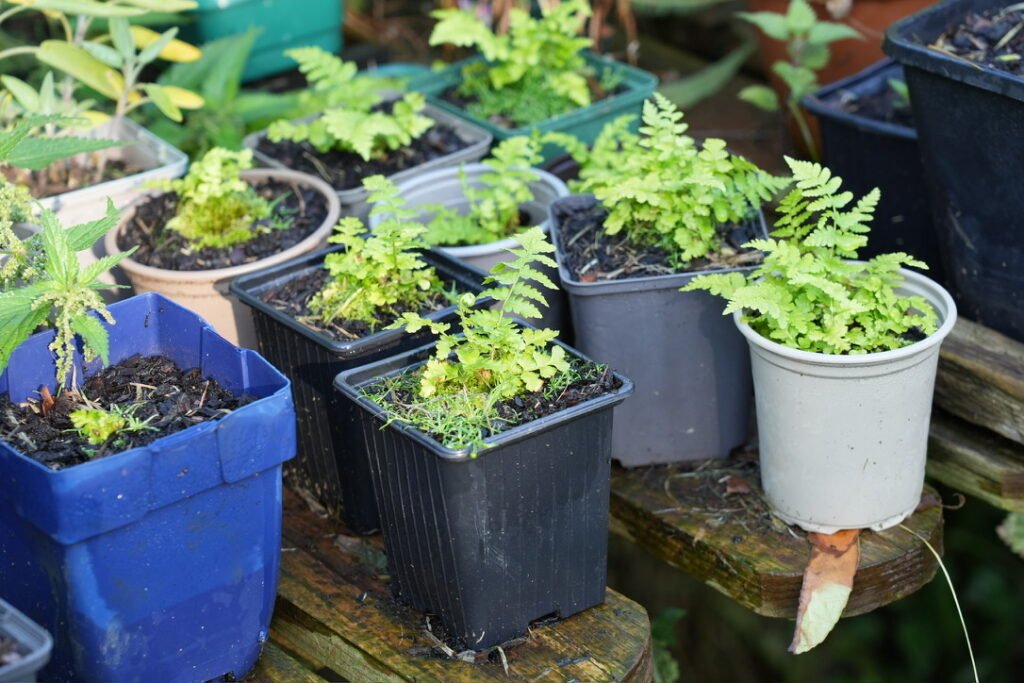
Ferns need a light, sterile, and moisture-retentive medium for spores to germinate. Here’s how to prepare it:
- Use a mix of peat moss and sand in a 1:1 ratio.
- Moisten the medium with distilled or boiled water (cooled).
- Fill a shallow tray or container with the mixture.
- Sterilize the tray and medium by microwaving for a few minutes or using boiling water to reduce fungal contamination.
💡 Secret: Fern spores are tiny, so a smooth, clean surface ensures better germination.
🌱 Step 3: Sowing the Spores
- Evenly sprinkle spores on the surface of the medium.
- Do not cover the spores with soil; they need light to germinate.
- Cover the container with a transparent lid or plastic wrap to maintain humidity.
- Place the container in bright, indirect light (avoid direct sunlight).
- Maintain a temperature of 18–24°C (65–75°F) for optimal growth.
💡 Patience is key: Fern spores can take 2–6 weeks to germinate.
🌿 Step 4: Germination and Prothallus Stage
Once spores germinate, you will see tiny green structures called prothalli. These look like small, heart-shaped leaves and are the first stage of fern development.
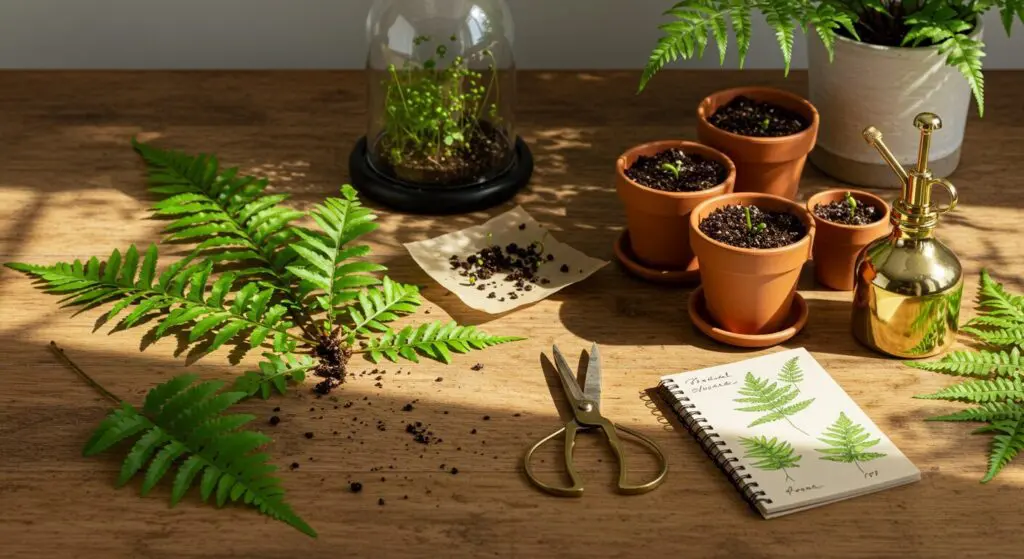
- Moisture: Keep the medium consistently moist but not waterlogged.
- Airflow: Occasionally lift the lid to allow fresh air and prevent mold growth.
- Timeframe: This stage can last several weeks to a few months, depending on the fern species.
💡 Secret: Prothalli are delicate—handle them gently and avoid disturbing the soil.
🌱 Step 5: Transplanting Young Ferns
Once your prothalli develop small fronds:
- Prepare small pots with well-draining potting soil mixed with peat moss.
- Carefully lift the tiny ferns with a small spoon or tweezers, keeping the roots intact.
- Plant in pots and water lightly.
- Place in shaded, humid environments for continued growth.
💡 Tip: Avoid direct sunlight at this stage to prevent leaf burn.
🌿 Step 6: Caring for Ferns at Home
After transplantation, ferns require consistent care:
- Watering: Keep soil slightly moist. Avoid soggy soil to prevent root rot.
- Humidity: Ferns thrive in humid environments. Mist leaves regularly or use a humidity tray.
- Lighting: Bright, indirect light is best. Avoid harsh sunlight.
- Fertilization: Feed with diluted liquid fertilizer once a month during the growing season.
💡 Pro Tip: Rotate pots occasionally to ensure even growth.
🌱 Step 7: Troubleshooting Common Problems
- Mold on soil surface: Reduce humidity temporarily and increase airflow.
- Slow growth: Ensure proper light and consistent moisture.
- Yellowing fronds: Can indicate overwatering or nutrient deficiency.
- Spores not germinating: Ensure spores are fresh and medium is sterile.
🌿 Step 8: Advantages of Growing Ferns from Spores
- Cost-effective: One parent fern can produce hundreds of spores.
- Variety: Experiment with different species and colors.
- Satisfaction: Watching tiny spores grow into mature ferns is incredibly rewarding.
- Environmental impact: Indoor ferns improve air quality and reduce stress.
🌱 Step 9: Display and Styling Ideas
Ferns are versatile decorative plants:
- Terrariums: Perfect for small indoor spaces.
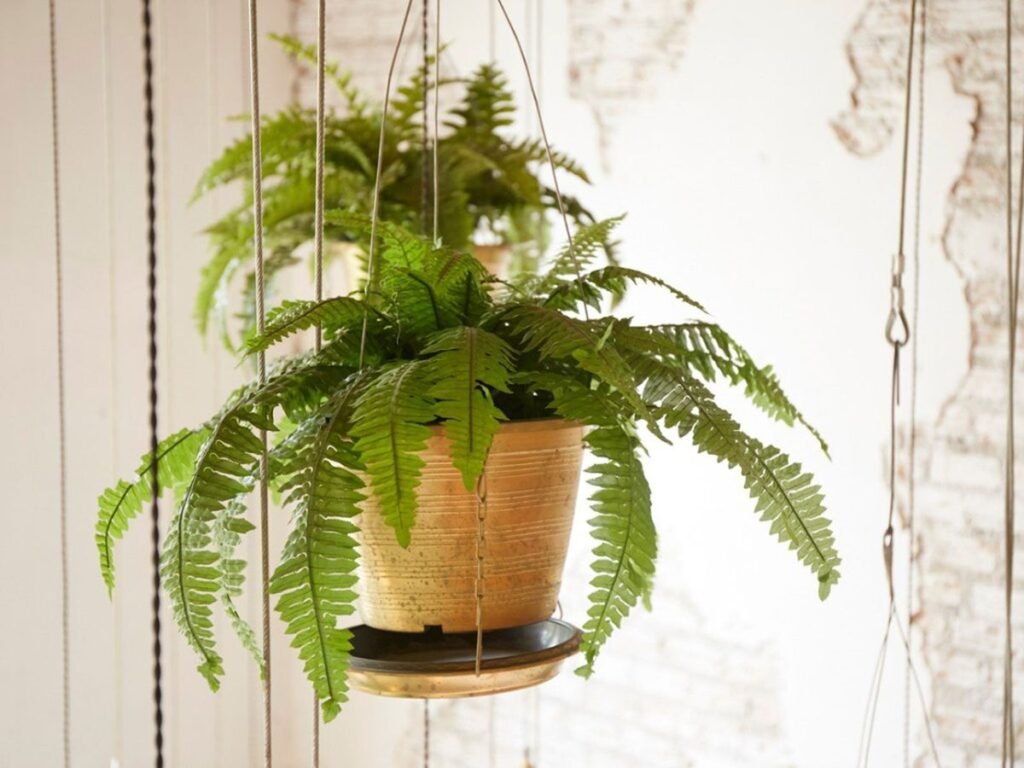
- Hanging baskets: Showcase long, cascading fronds.
- Tabletop displays: Use compact ferns on desks or shelves.
- Grouping multiple pots: Create a mini indoor jungle for maximum visual impact.
💡 Pro Tip: Ferns pair beautifully with moss, ivy, and small flowering plants.
🌿 Step 10: Final Thoughts
Growing ferns from spores may require patience, but the rewards are immense. From the delicate heart-shaped prothalli to lush, mature fronds, every stage of growth is fascinating. Not only do you get beautiful greenery at home, but you also create a natural, air-purifying environment.
By following these steps, you can successfully sow fern spores, care for young plants, and watch them thrive indoors or in shaded outdoor spaces. Whether for decoration, air purification, or the joy of propagation, growing ferns from spores is a gardening experience unlike any other.
Start today, collect those spores, and transform your home into a lush fern haven!