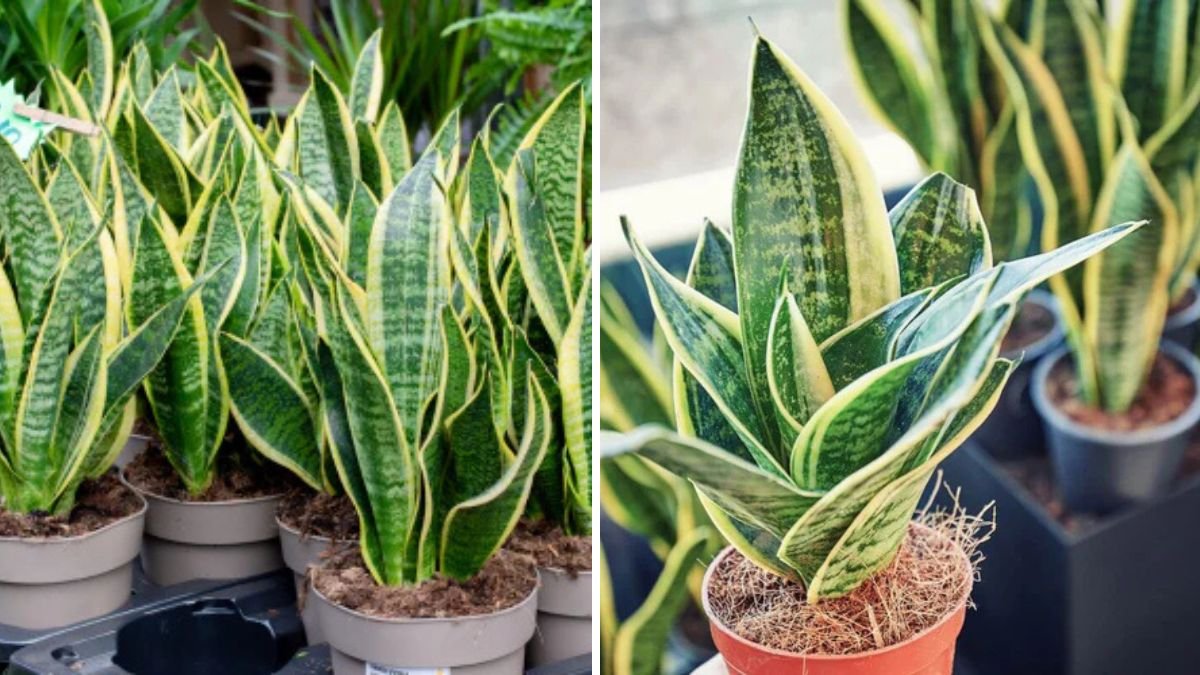

Sansevieria, commonly known as Mother-in-Law’s Tongue, is not just a striking ornamental plant—it’s a botanical powerhouse that purifies indoor air and thrives with minimal effort. Known for its upright, sword-like leaves and resilience, this plant has become a staple in homes, offices, and even commercial spaces. If you’ve ever wondered how to keep your Sansevieria healthy, understand its secrets, and harness its air-purifying properties, you’ve come to the right place.
In this guide, we’ll explore care tips, propagation techniques, and botanical secrets that make Sansevieria one of the most beloved indoor plants worldwide.
🌿 Why Sansevieria Is a Must-Have Indoor Plant
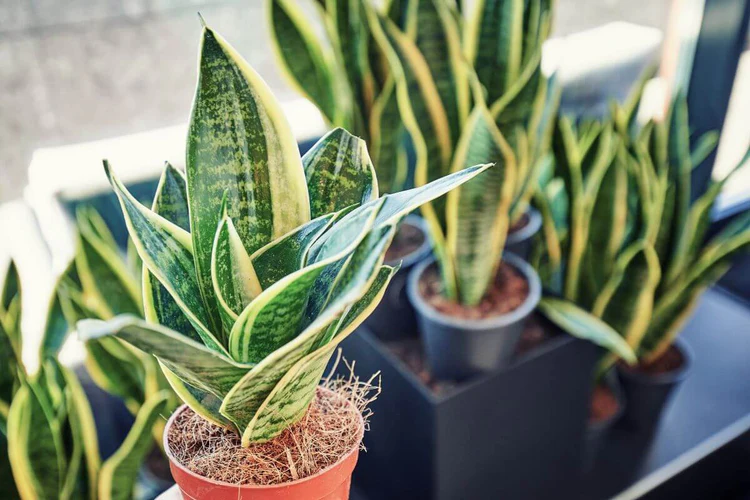
Sansevieria is renowned for its unique combination of beauty, low-maintenance care, and air purification abilities. Here’s why it deserves a spot in your home:
- Air Purification: NASA’s studies have shown that Sansevieria removes toxins like formaldehyde, benzene, and trichloroethylene from the air.
- Adaptable Growth: It tolerates low light, making it perfect for bedrooms, offices, and low-light corners.
- Minimal Care: It thrives on neglect, requiring minimal watering and occasional feeding.
- Aesthetic Appeal: Its upright, pointed leaves create a bold, modern look for indoor decor.
With these benefits, Sansevieria is more than just a plant—it’s a natural air purifier, a stylish decor piece, and a stress-free companion.
🌱 Botanical Secrets of Sansevieria
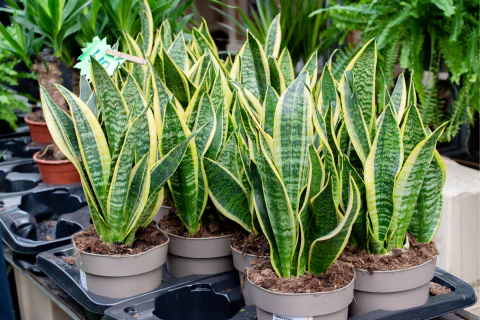
Understanding the plant’s natural habits can help you care for it more effectively.
- Succulent Nature: Sansevieria stores water in its thick leaves, making it highly drought-tolerant.
- Slow Growth: It grows slowly but steadily; don’t overwater thinking it will grow faster.
- Root System: It has a shallow rhizome network, which allows it to thrive in shallow pots.
- Night Oxygen Release: Unlike most plants, Sansevieria releases oxygen at night, making it perfect for bedrooms.
These secrets highlight why Sansevieria is resilient, low-maintenance, and ideal for indoor gardening enthusiasts.
✔️ Step 1: Choosing the Right Variety
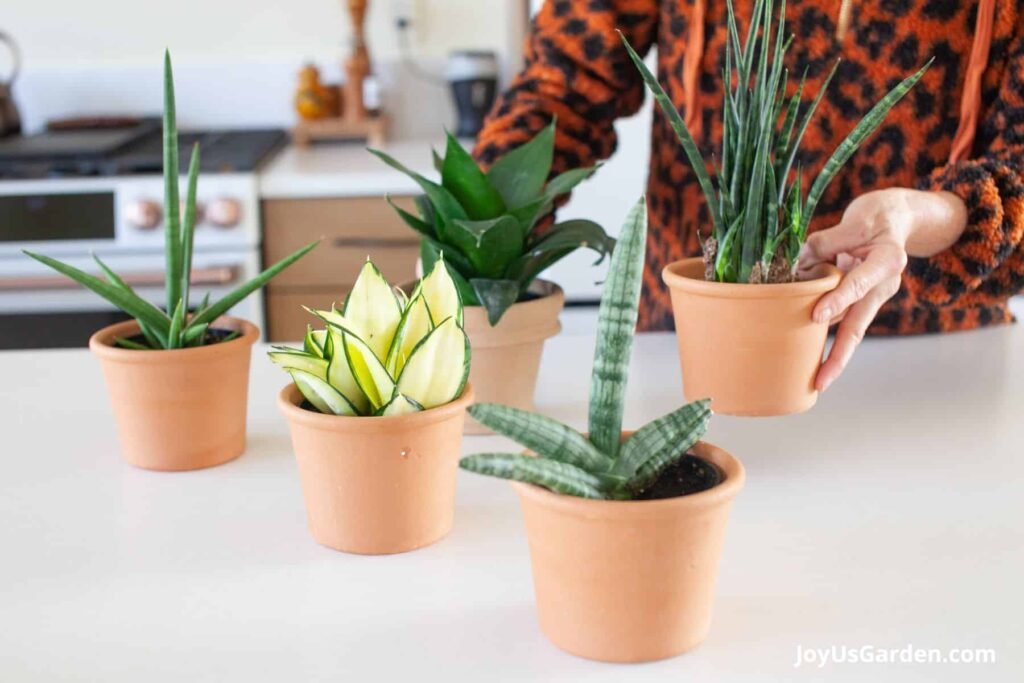
Sansevieria comes in many varieties. Choosing the right one depends on your space, style preference, and care capacity:
- Sansevieria trifasciata (Laurentii): Classic yellow-edged leaves, ideal for modern interiors.
- Sansevieria Cylindrica: Cylindrical, spear-like leaves for contemporary or minimalist aesthetics.
- Sansevieria Hahnii: Compact, rosette-style leaves, perfect for desks or small pots.
- Sansevieria Moonshine: Silver-green leaves with a striking appearance for bright corners.
💡 Tip: Start with one variety and expand your collection gradually to experiment with decor and care techniques.
🌿 Step 2: Potting and Soil Secrets
Sansevieria thrives in well-draining soil. Heavy or water-retentive soil can cause root rot. Here’s how to prepare the perfect potting mix:
- Use a succulent or cactus mix (commercially available)
- Add perlite or sand to improve drainage
- Choose a pot with drainage holes to prevent waterlogging
💡 Pro Tip: Terracotta pots are ideal because they absorb excess moisture, reducing the risk of root rot.
🌱 Step 3: Light Requirements
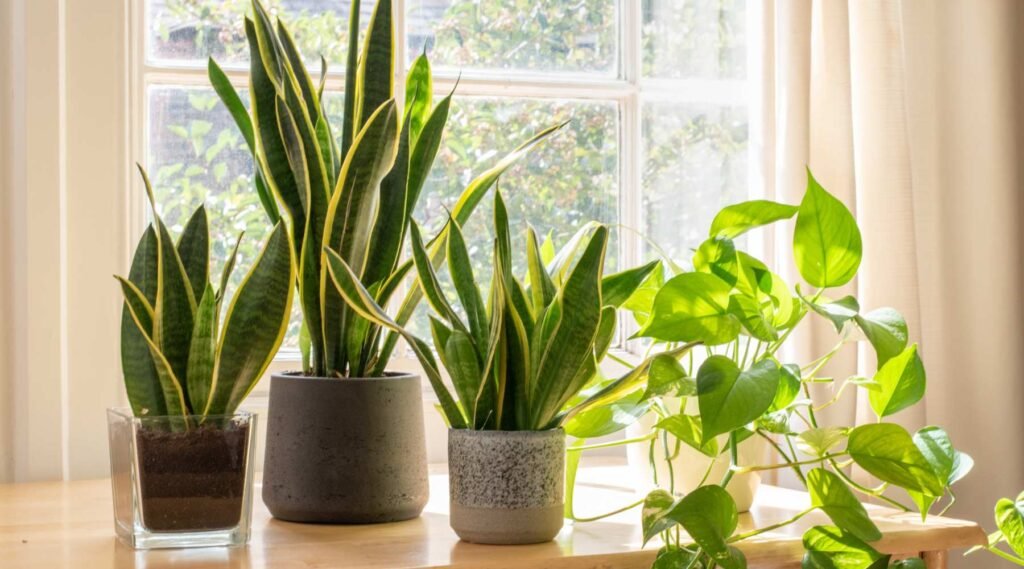
Sansevieria is highly adaptable:
- Bright indirect light: Optimal for faster growth and vibrant leaves
- Low light: Survives but grows slowly; perfect for offices or corners
- Direct sunlight: Can scorch leaves if exposure is intense
💡 Tip: Rotate the plant occasionally to ensure even leaf growth.
🌿 Step 4: Watering Rules
Watering is one of the most common mistakes people make with Sansevieria. Remember:
- Water sparingly: Only when the top 3–4 cm of soil is dry
- Winter months: Reduce watering to once a month
- Avoid waterlogging: Root rot is the main threat
💡 Secret: The plant stores water in its leaves, so occasional neglect is not a problem.
🌱 Step 5: Fertilization and Feeding
Sansevieria is low-maintenance but benefits from occasional feeding:
- Use balanced liquid fertilizer once every 2–3 months
- Avoid over-fertilization; it can burn the leaves
- Organic compost or slow-release fertilizers work best
🌿 Step 6: Pruning and Leaf Care
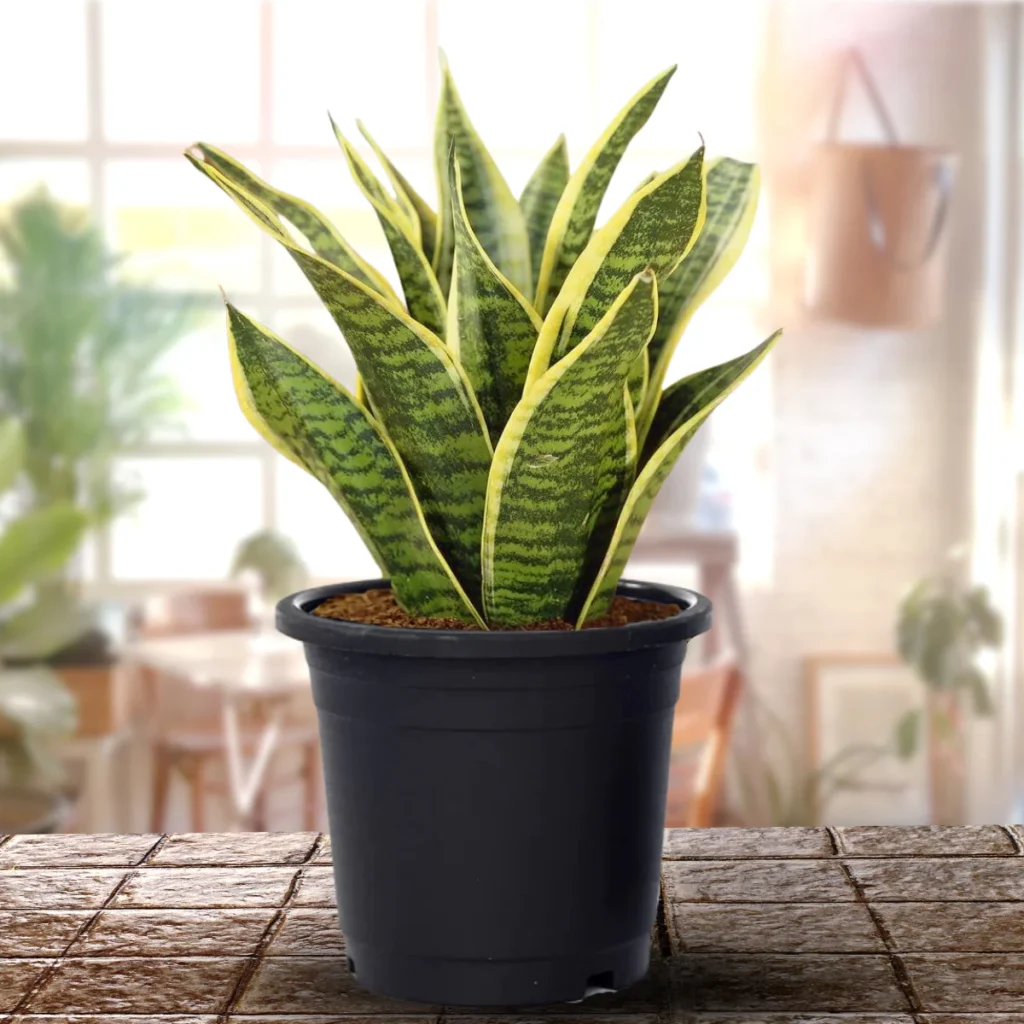
Pruning isn’t necessary for growth but helps with appearance:
- Remove damaged or yellow leaves by cutting at the base
- Clean leaves with a damp cloth to remove dust and improve photosynthesis
- Avoid over-pruning; slow growth means each leaf is valuable
💡 Secret: Healthy leaves indicate a well-maintained environment.
🌱 Step 7: Propagation Techniques
Sansevieria propagates easily, giving you more plants from a single one:
1. Leaf Cuttings
- Cut a healthy leaf into 5–7 cm sections
- Allow the cut ends to dry for a day or two
- Plant vertically in well-draining soil
Tip: Rooting can take 3–8 weeks; patience is key.
2. Division
- Remove the plant from its pot
- Divide the rhizomes carefully with roots intact
- Repot in separate containers
Tip: Division ensures faster growth than leaf cuttings.
🌿 Step 8: Air Purification Benefits
Sansevieria is a natural air purifier:
- Filters toxins like formaldehyde, benzene, xylene
- Releases oxygen at night, improving sleep quality
- Reduces indoor pollutants, creating a healthier environment
💡 Secret: Place plants in bedrooms, living rooms, and kitchens for maximum effect.
🌱 Step 9: Common Problems and Solutions
- Yellowing leaves: Caused by overwatering or low light; reduce water and adjust light
- Brown tips: Often due to low humidity; occasional misting helps
- Slow growth: Fertilize lightly and ensure bright indirect light
- Pests: Mealybugs or spider mites can appear; wipe leaves and use neem oil
🌿 Step 10: Styling and Display Ideas
Sansevieria is as decorative as it is functional:
- Use tall varieties in corners for architectural appeal
- Compact varieties on desks or shelves
- Group multiple plants in decorative pots for a mini indoor jungle
- Combine with other air-purifying plants for a healthier home
💡 Pro Tip: Pair with pothos or peace lilies for a visually stunning and toxin-free environment.
🌱 Final Thoughts
Sansevieria is more than a plant—it’s a botanical secret that enhances your home in style, health, and air quality. With minimal care, correct watering, and occasional propagation, you can enjoy its benefits for years. Its air-purifying qualities, resilience, and striking appearance make it perfect for any indoor space.
By following these tips, you’ll not only keep your Sansevieria healthy but also create a lush, purified, and aesthetically pleasing indoor environment.
Start today, and let your Mother-in-Law’s Tongue transform your home into a green, healthy sanctuary!