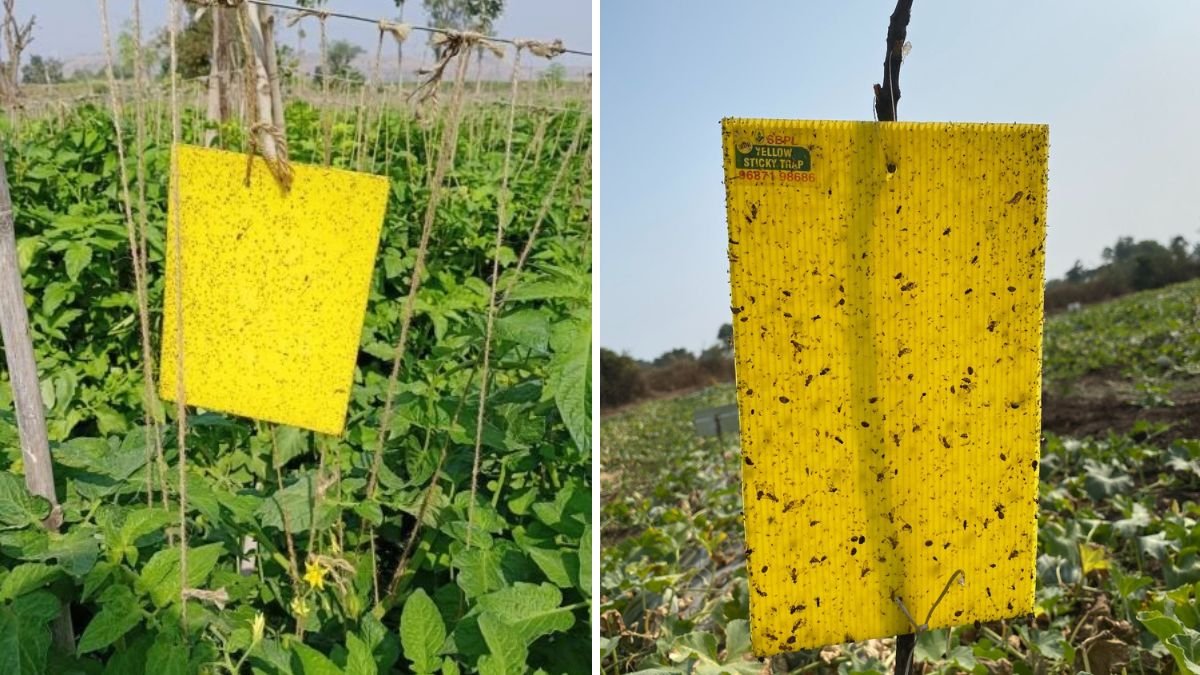

Gardening and farming come with their share of challenges, and among the most persistent are pests like whiteflies, leafminers, and thrips. These tiny insects can damage crops, reduce yields, and spread diseases. While chemical pesticides are a common solution, they often harm beneficial insects, contaminate the environment, and pose health risks. Eco-friendly sticky insect traps offer a sustainable, effective alternative, protecting your plants naturally without chemicals. This guide explains how to use sticky traps to control pests, why they are effective, and tips for maximizing their efficiency.
Understanding Common Garden Pests
1. Whiteflies
Whiteflies are small, white, moth-like insects that feed on plant sap. They reproduce rapidly and can weaken plants, causing yellowing, stunted growth, and leaf drop. Additionally, they secrete honeydew, which encourages the growth of black sooty mold.
2. Leafminers
Leafminer larvae tunnel inside leaves, creating winding, discolored trails that reduce photosynthesis and plant vigor. They are difficult to manage because the larvae are protected inside the leaf tissue.
3. Thrips
Thrips are tiny, slender insects that feed on plant cells. Their damage manifests as silvery streaks or black spots on leaves and flowers. Thrips can also transmit viral diseases, making them a serious concern for gardeners.
Controlling these pests early is critical to preventing major crop damage. Sticky insect traps are a simple and effective solution for monitoring and managing these pests.
What Are Sticky Insect Traps?
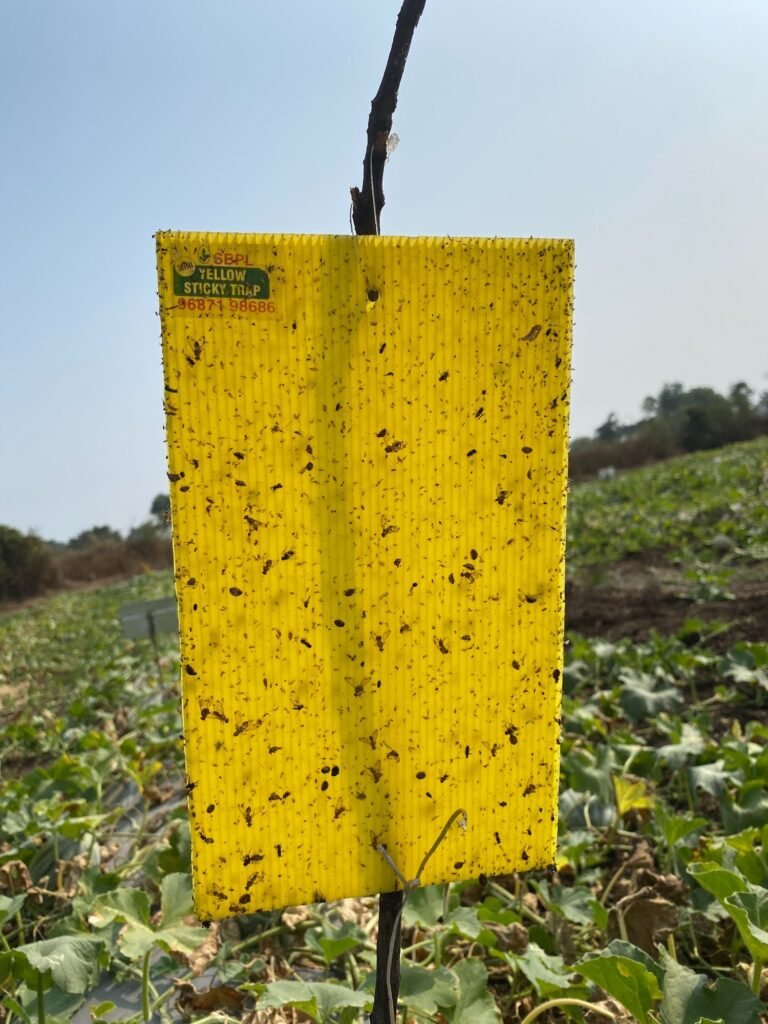
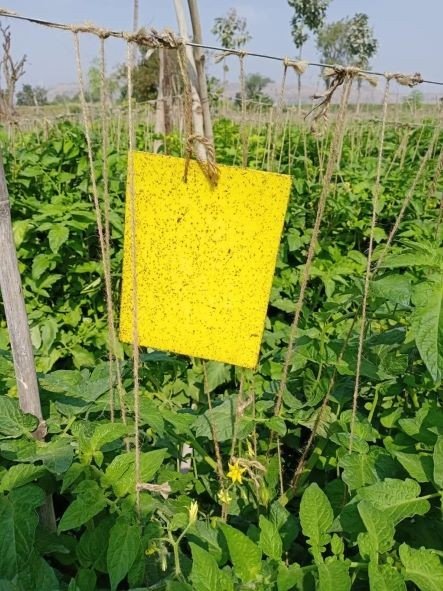
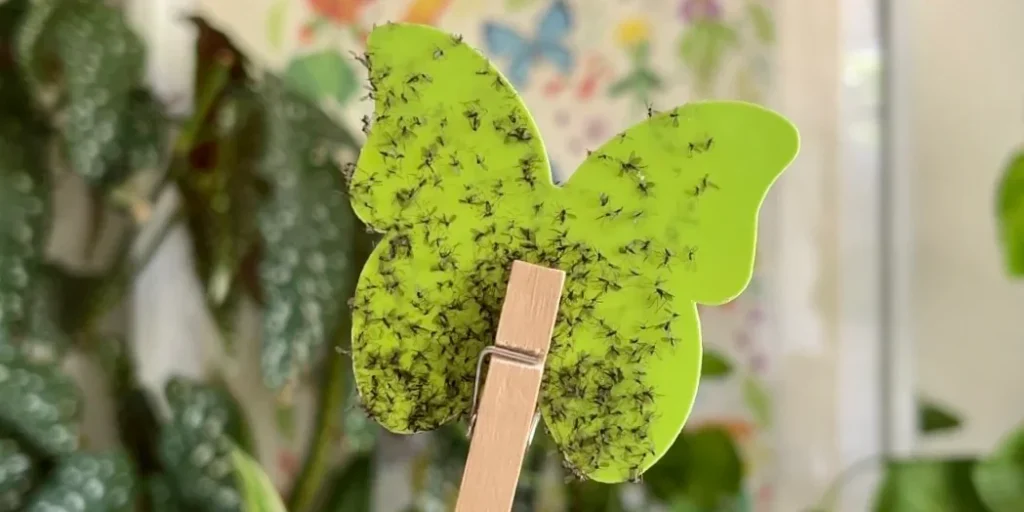
Sticky insect traps are sheets, cards, or tapes coated with a sticky, non-toxic adhesive that traps flying insects upon contact. They are available in different colors and sizes, with yellow and blue being the most commonly used:
- Yellow Sticky Traps: Attract whiteflies, aphids, leafminers, and many other flying insects.
- Blue Sticky Traps: Particularly effective against thrips, which are attracted to blue hues.
These traps are environmentally friendly, easy to use, and do not rely on chemical insecticides, making them safe for people, pets, and beneficial insects like bees.
How Sticky Traps Work
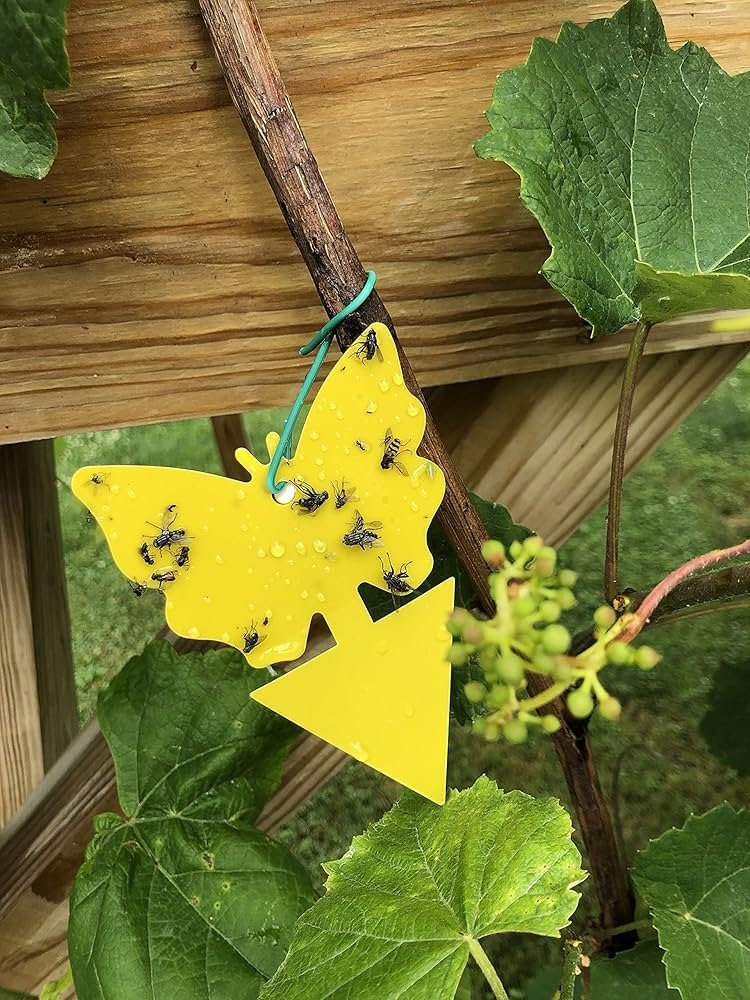
Sticky traps function by exploiting the natural color attraction of insects. Many pest species are drawn to bright colors, mistaking them for flowers or new foliage. When they land on the sticky surface, they become trapped and eventually die.
- Monitoring Tool: Sticky traps not only control pests but also help monitor pest populations, allowing you to assess the severity of infestation.
- Population Reduction: Continuous use can significantly reduce the number of flying pests in greenhouses, home gardens, and vegetable beds.
- Early Detection: Traps help identify pest presence before visible damage occurs, enabling timely intervention.
Setting Up Sticky Insect Traps
Materials Needed:
- Yellow and blue sticky traps
- Stakes, clips, or strings to hang traps
- Gloves for handling (optional)
Step-by-Step Instructions:
- Placement:
- Hang traps at the height of plant foliage where insects are most active.
- Place traps inside greenhouses, near windows, or among crop rows for outdoor gardens.
- Spacing:
- For small gardens, place 1–2 traps per 10 square meters.
- In larger areas or greenhouses, use more traps for better coverage.
- Orientation:
- Ensure traps face open areas where insects fly. Avoid placing traps in shaded corners with limited insect activity.
- Maintenance:
- Replace traps when they are covered with insects or lose stickiness.
- Check traps weekly to monitor pest levels and assess the effectiveness of your pest management plan.
Advantages of Using Eco-Friendly Sticky Traps
- Non-Toxic: Safe for humans, pets, and beneficial insects.
- Easy to Use: No special skills or equipment required.
- Low Maintenance: Replace or reposition as needed.
- Environmentally Friendly: Reduces reliance on chemical pesticides, protecting soil, water, and pollinators.
- Cost-Effective: Affordable and reusable in some cases.
Sticky traps are a practical and sustainable approach to integrated pest management, especially in organic gardening.
Tips for Maximizing Effectiveness
- Combine Colors: Use both yellow and blue traps to target multiple pests simultaneously.
- Regular Monitoring: Observe traps regularly to detect early infestations.
- Integrated Approach: Combine sticky traps with cultural practices like crop rotation, pruning, and proper sanitation for best results.
- Avoid Obstructions: Ensure traps are visible and not blocked by dense foliage.
- Timing: Place traps early in the season, before pest populations explode.
By following these tips, you can significantly reduce pest pressure and protect your plants without chemicals.
Common Mistakes to Avoid
- Placing Traps Too Low: Insects may fly above the trap if it is too close to the ground.
- Using Old or Dirty Traps: Traps lose effectiveness when covered with dust or debris.
- Relying Solely on Traps: Sticky traps are part of an integrated pest management system, not a standalone solution.
- Ignoring Plant Health: Healthy plants are less susceptible to severe infestations. Proper fertilization, watering, and pruning complement pest control efforts.
Avoiding these mistakes ensures that sticky traps remain a reliable and effective tool.
Additional Eco-Friendly Pest Control Methods
While sticky traps are highly effective for monitoring and reducing flying insects, combining them with other natural methods enhances results:
- Neem Oil: Natural insecticide and repellent effective against aphids, thrips, and whiteflies.
- Insecticidal Soap: Controls soft-bodied insects without harming beneficial insects.
- Row Covers: Protect crops from pests while allowing light and air circulation.
- Beneficial Insects: Introduce ladybugs, lacewings, or predatory mites to control pest populations biologically.
An integrated approach reduces pest pressure sustainably while maintaining a healthy garden ecosystem.
Applications of Sticky Traps
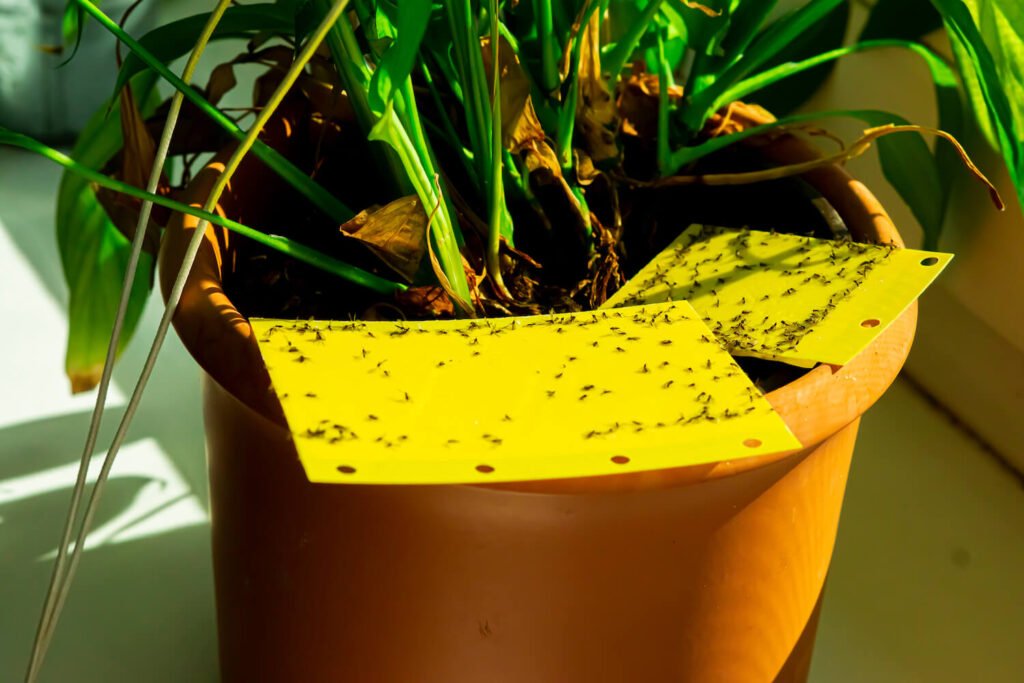
Sticky traps are versatile and suitable for various gardening contexts:
- Home Gardens: Protect vegetables, herbs, and ornamental plants.
- Greenhouses: Monitor and control pests in a controlled environment.
- Organic Farms: Reduce pest populations without compromising organic certification.
- Indoor Plants: Manage flying insects in houseplants, reducing annoyance and plant damage.
Their simplicity and effectiveness make sticky traps a favorite among gardeners worldwide.
Final Thoughts
Eco-friendly sticky insect traps provide an effective, sustainable, and safe method for controlling whiteflies, leafminers, thrips, and other flying pests. By leveraging insect behavior, these traps reduce populations, prevent plant damage, and serve as valuable monitoring tools. When combined with other cultural and biological control methods, sticky traps can form the backbone of an integrated pest management system, ensuring healthy, productive plants without harmful chemicals.
For gardeners seeking a green solution to pest problems, sticky traps are an affordable, easy-to-use, and environmentally responsible choice. Install them early, maintain them regularly, and complement them with good gardening practices to keep your plants thriving all season long.