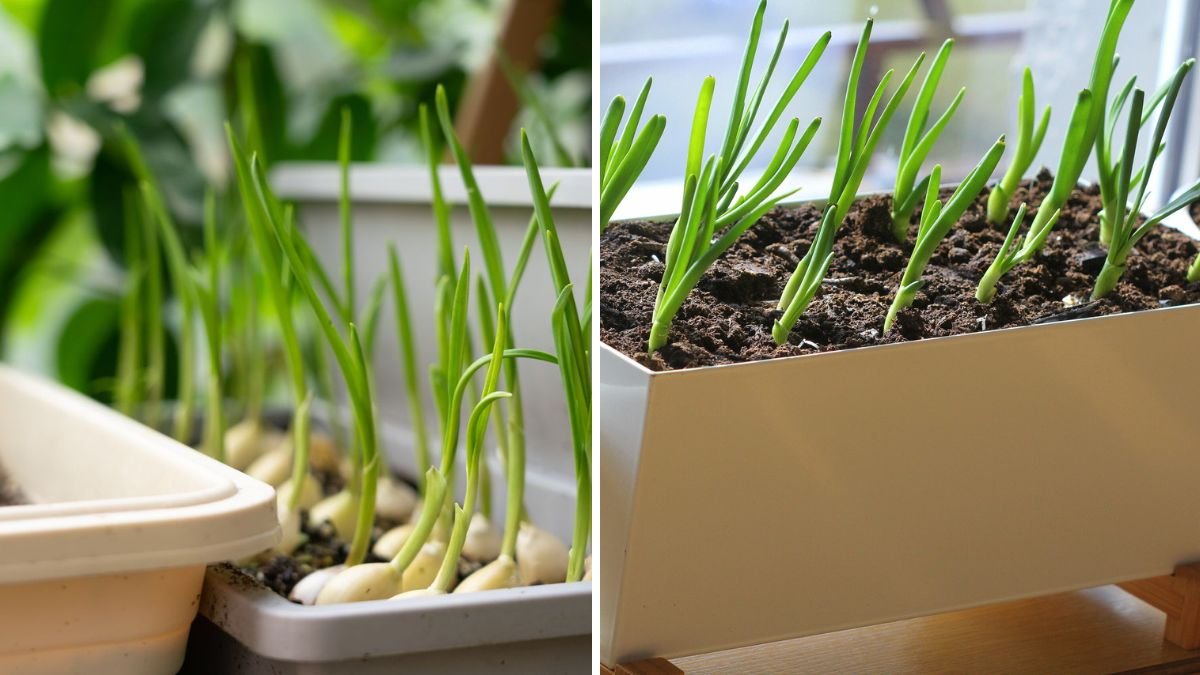

Garlic is not only a staple ingredient in kitchens worldwide but also a plant with numerous health benefits, including antibacterial, antiviral, and cardiovascular support properties. Growing garlic at home is easier than many people think, and using a small box or container is perfect for those with limited space, such as balconies, patios, or small gardens. With the right substrates, planting techniques, and care, you can cultivate robust garlic bulbs at home and enjoy fresh, flavorful garlic year-round.
Why Grow Garlic at Home?
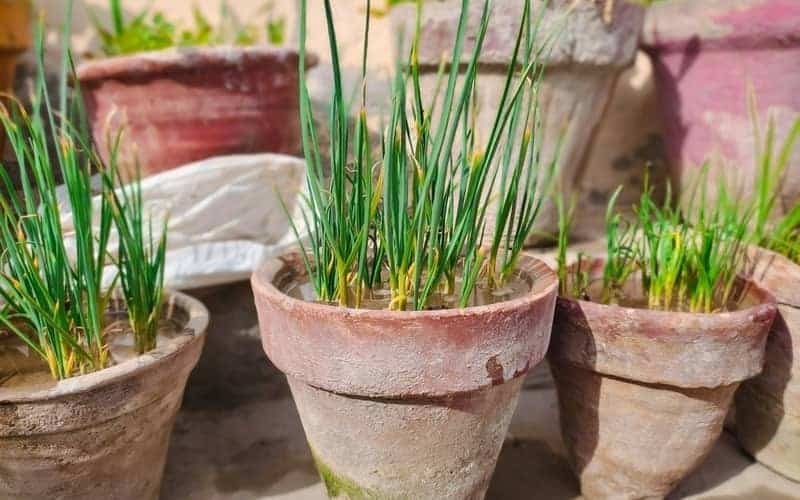
Growing garlic at home offers numerous advantages:
- Fresh and Organic: Homegrown garlic is free from pesticides and chemicals.
- Cost-Effective: Saves money compared to buying premium garlic at the store.
- Health Benefits: Fresh garlic retains more nutrients, enhancing its medicinal properties.
- Space-Efficient: Can be grown in boxes, containers, or small raised beds.
- Aesthetic and Functional: Garlic adds greenery to your garden and is easy to harvest.
Whether for culinary use or health remedies, growing garlic in a small box is a practical and rewarding approach.
Choosing the Right Garlic
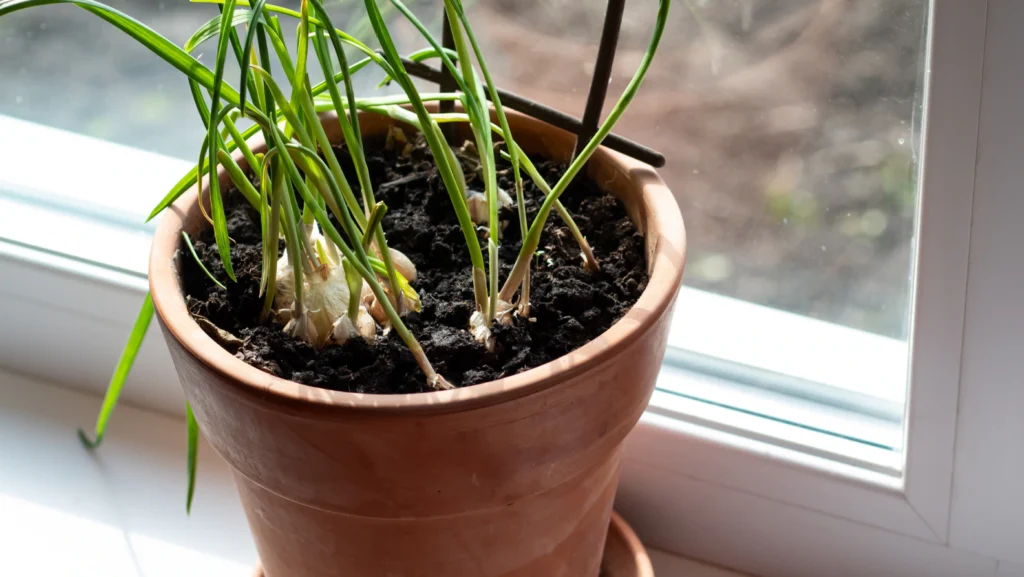
The success of garlic cultivation begins with selecting healthy planting material:
- Seed Garlic: Use firm, disease-free cloves from fresh bulbs. Organic garlic is preferred.
- Clove Selection: Choose large cloves for stronger plants and bigger bulbs. Avoid small or damaged cloves.
- Variety: Softneck garlic varieties are ideal for container growth, while hardneck types are better suited for cooler climates.
Healthy cloves are critical for establishing strong garlic plants and ensuring good yields.
Preparing the Box and Substrates
Garlic requires well-draining, nutrient-rich soil to develop properly. Using a box with two different substrates enhances growth and supports healthy roots.
1. Choosing the Box:
- Size: A depth of 8–12 inches and width that fits your space is sufficient. Garlic roots grow horizontally, so choose a box wide enough to accommodate multiple cloves.
- Drainage: Ensure the box has drainage holes to prevent waterlogging and root rot.
2. Preparing Substrates:
- Bottom Layer (Drainage Substrate): Use coarse materials such as pebbles, sand, or perlite. This layer ensures excess water drains properly, preventing soggy soil conditions.
- Top Layer (Growing Substrate): Use a mixture of garden soil, compost, and cocopeat or organic matter. This nutrient-rich layer promotes root and bulb development.
Creating a two-layer substrate system ensures garlic roots receive proper aeration, moisture, and nutrients for optimal growth.
Planting Garlic in a Box
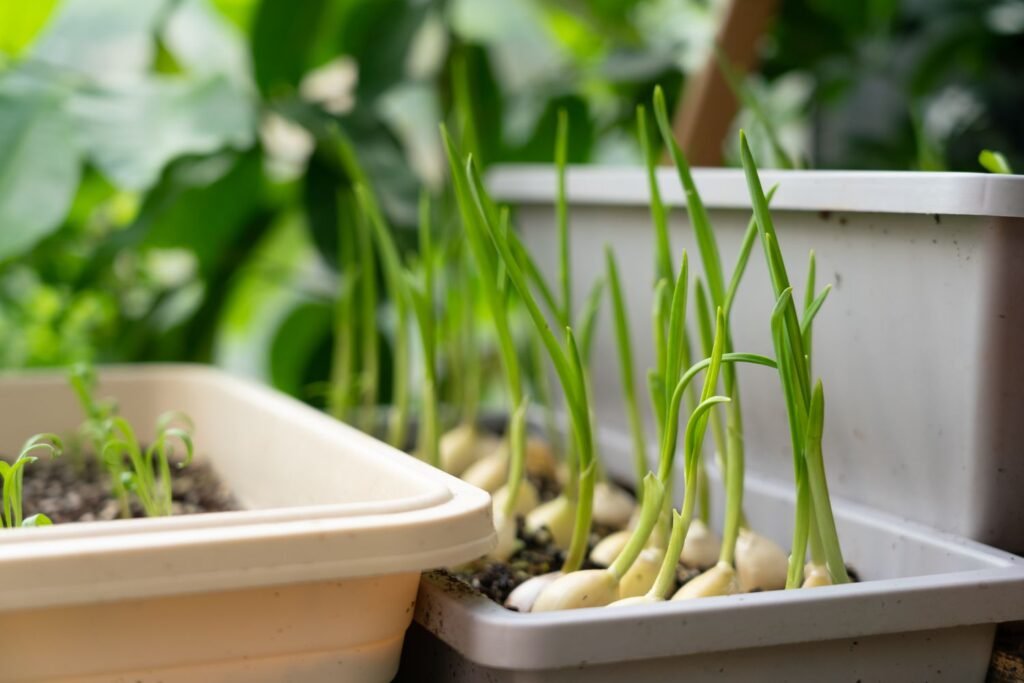
Planting garlic correctly is essential for healthy growth and abundant bulbs:
- Separate Cloves: Gently separate cloves from the bulb, leaving the papery skin intact.
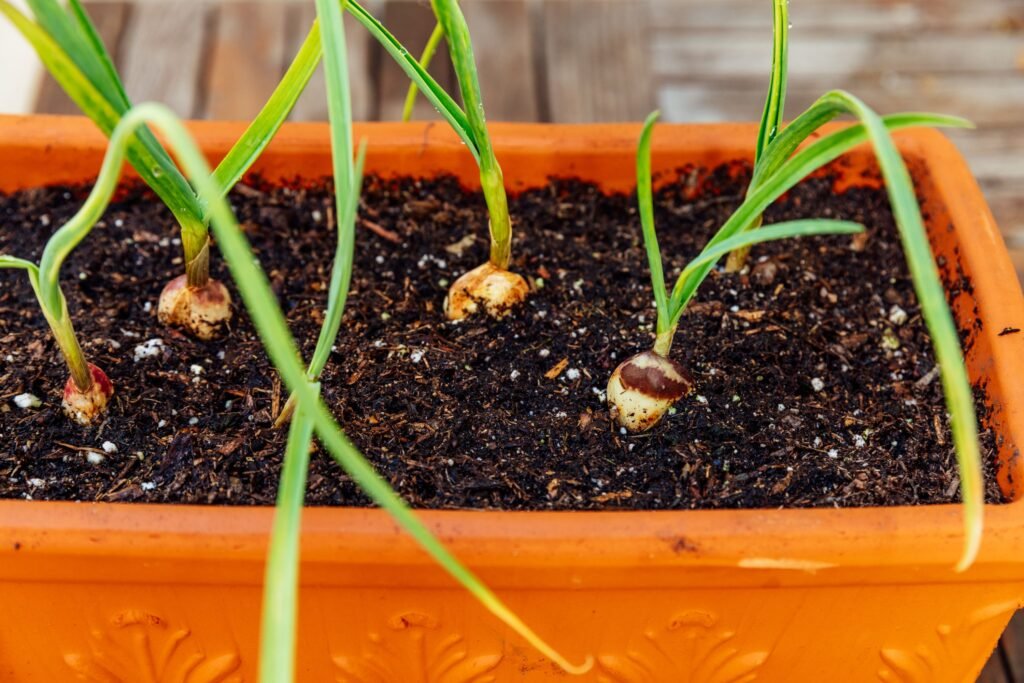
- Planting Depth: Insert cloves with the pointed tip facing up, 1–2 inches below the surface of the growing substrate.
- Spacing: Maintain 2–3 inches between cloves to allow room for bulbs to expand.
- Watering: Lightly water the box after planting to settle the soil.
- Positioning: Place the box in a sunny location with at least 6 hours of sunlight per day. Garlic thrives in bright, indirect light for optimal growth.
Proper planting ensures vigorous shoots and strong bulb formation.
Using a Stake for Support
Some garlic varieties may benefit from a small stake for support, especially when grown in containers.
- Purpose of a Stake: Provides stability to garlic leaves during strong winds or when boxes are moved.
- Material: Use bamboo sticks, small wooden dowels, or even sturdy garden stakes.
- Placement: Insert the stake gently into the substrate near the garlic clove without damaging the roots.
- Tie Lightly: Use soft twine or cloth strips to gently tie taller shoots, keeping them upright.
The stake helps maintain plant health, encourages straight growth, and reduces damage to shoots during maintenance or harvesting.
Watering and Fertilization
Garlic requires consistent care to grow strong bulbs:
- Watering: Keep the topsoil slightly moist, especially during the early growth stage. Avoid overwatering, which can lead to rot. Water less frequently as the plant matures.
- Fertilization:
- Use organic fertilizers like compost, well-rotted manure, or balanced liquid fertilizers every 3–4 weeks.
- Nitrogen-rich fertilizers early in growth promote leaf development, while phosphorus and potassium support bulb formation.
- Mulching: Apply straw or dried leaves to retain moisture, regulate temperature, and prevent weeds.
Proper water and nutrient management are crucial for healthy, flavorful garlic bulbs.
Caring for Garlic in a Box
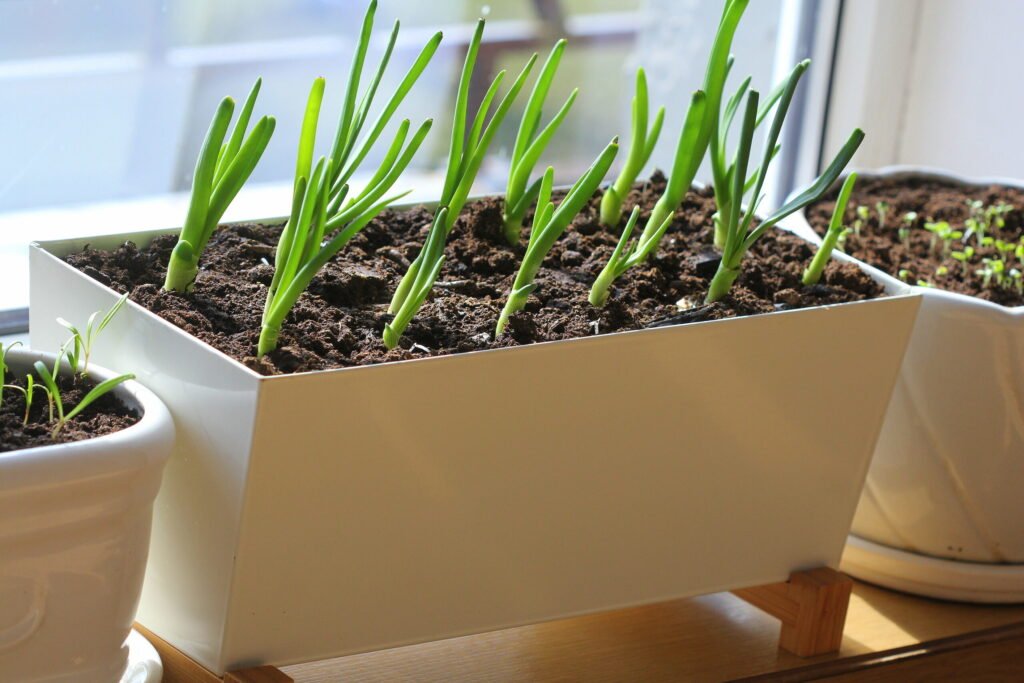
- Sunlight: Garlic needs at least 6 hours of sunlight daily. If grown indoors, place near a bright window or supplement with LED grow lights.
- Pest Control: Watch for aphids, mites, and fungal infections. Use neem oil or organic pest sprays if needed.
- Pruning: Remove yellow or damaged leaves to maintain plant vigor.
- Temperature: Garlic grows best in temperatures between 15–25°C (59–77°F). Protect the box from frost or extreme heat.
- Monitoring Growth: Track soil moisture, leaf growth, and general plant health. Adjust watering and care as needed.
Consistent monitoring ensures garlic plants remain strong and productive throughout the growing season.
Harvesting Garlic
Garlic is ready for harvest when leaves start turning yellow and begin to dry:
- Timing: Typically 6–8 months after planting, depending on variety and growing conditions.
- Method: Gently loosen the soil around the bulbs using a small trowel and lift them carefully. Avoid pulling by the leaves to prevent damage.
- Curing: After harvesting, cure garlic in a dry, ventilated area for 2–3 weeks to enhance storage life and flavor.
- Replanting: Save the largest bulbs or cloves for the next planting season to continue the cycle.
Homegrown garlic offers superior taste, aroma, and freshness compared to store-bought alternatives.
Benefits of Growing Garlic in a Box
- Space-Saving: Ideal for balconies, patios, or limited garden areas.
- Easy Management: Container growth simplifies watering, fertilization, and pest control.
- Extended Growing Season: Boxes can be moved indoors or to sheltered areas to protect against frost.
- Higher Yield and Quality: Freshly grown garlic is more flavorful and nutrient-dense.
Growing garlic in boxes is practical, sustainable, and rewarding, even for beginner gardeners.
Tips for Maximizing Yield
- Use Large Cloves: Larger cloves produce bigger bulbs.
- Maintain Soil Fertility: Regularly replenish nutrients with compost or organic fertilizer.
- Avoid Overcrowding: Adequate spacing prevents competition for nutrients and promotes bulb growth.
- Control Moisture: Keep soil moist but well-draining to prevent rot.
- Rotate Crops: Avoid planting garlic in the same box continuously to prevent soil-borne diseases.
By following these practices, you can ensure consistent, high-quality garlic harvests year after year.
Final Thoughts
Growing garlic in a box using two substrates and a support stake is a simple, efficient, and rewarding way to cultivate fresh garlic at home. By selecting healthy cloves, preparing nutrient-rich soil, providing proper sunlight, and maintaining careful watering and fertilization, you can enjoy a continuous supply of flavorful garlic bulbs.
Whether you are a kitchen enthusiast, a health-conscious gardener, or someone looking for a small-space gardening solution, this method allows you to grow robust garlic plants with minimal effort. Start your garlic box garden today and experience the satisfaction of harvesting fresh, organic garlic right at home.