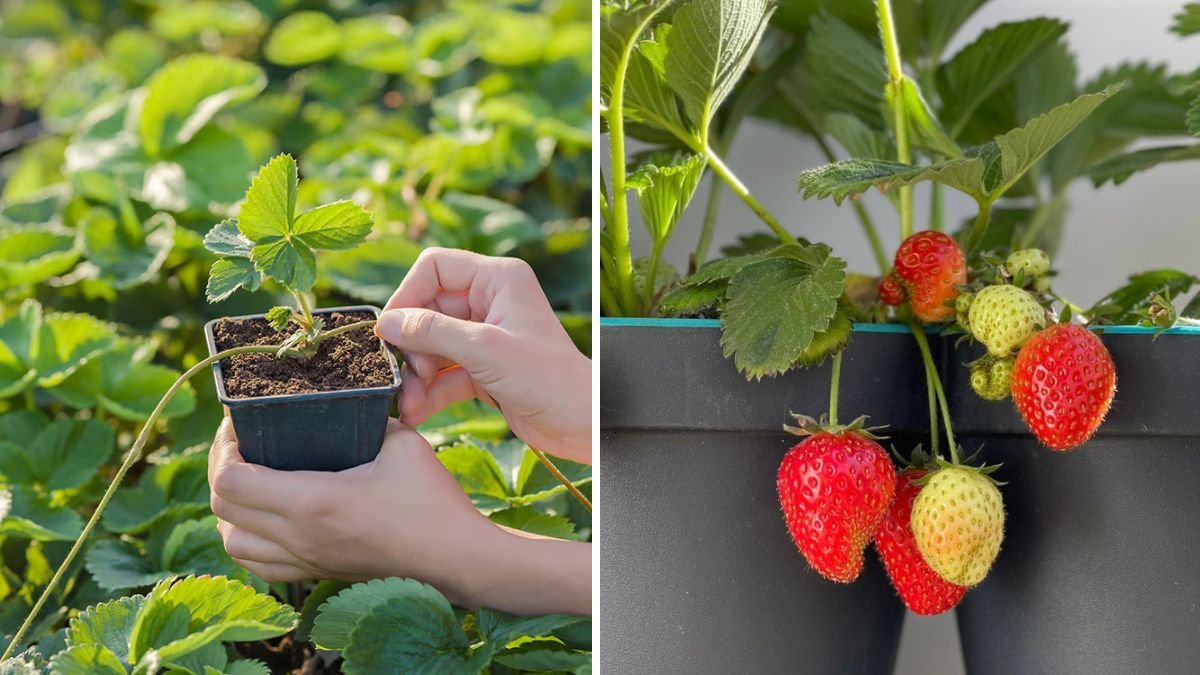

Strawberries are one of the most rewarding fruits to grow at home, offering delicious, juicy berries that can be enjoyed fresh or in recipes. While they are relatively easy to cultivate, potted strawberry plants can lose vigor over time, producing fewer berries or showing signs of stress. Root pruning, proper transplanting, and attentive care can rejuvenate your strawberry plants, restoring their health, vitality, and productivity. This guide provides step-by-step instructions to revive potted strawberries and maximize harvests.
Why Rejuvenate Potted Strawberry Plants?
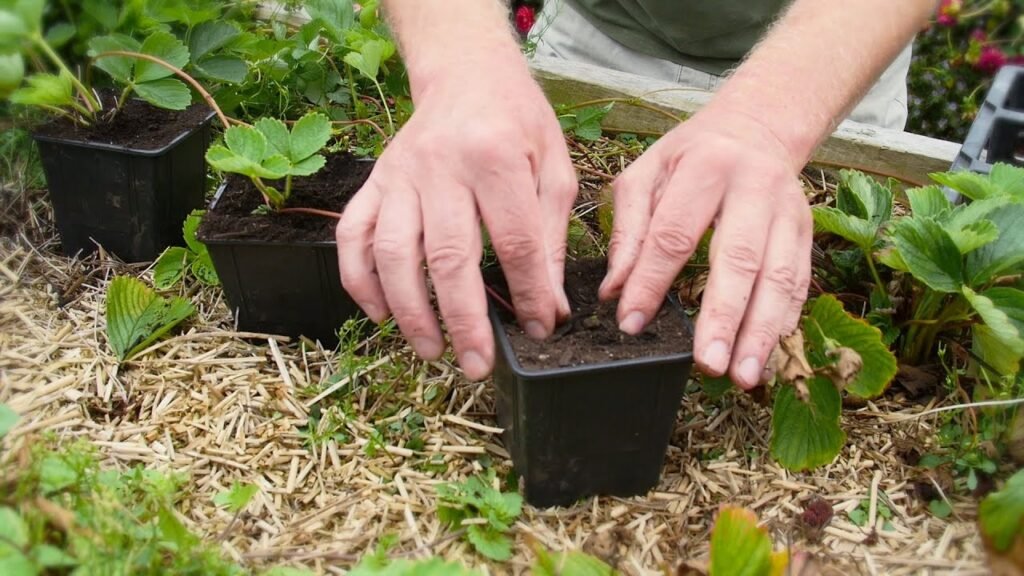
Potted strawberries are convenient for urban gardens, balconies, or small patios. However, over time:
- Roots Become Crowded: Limited space can cause roots to become compacted, reducing nutrient absorption.
- Declining Yield: Plants may produce fewer flowers and berries after a couple of seasons.
- Soil Depletion: Nutrients in the potting mix are gradually used up, weakening plants.
- Diseases: Crowded roots and poor drainage can increase susceptibility to fungal infections and rot.
Rejuvenating your strawberry plants ensures they remain healthy, vigorous, and productive for several seasons.
Understanding Root Pruning
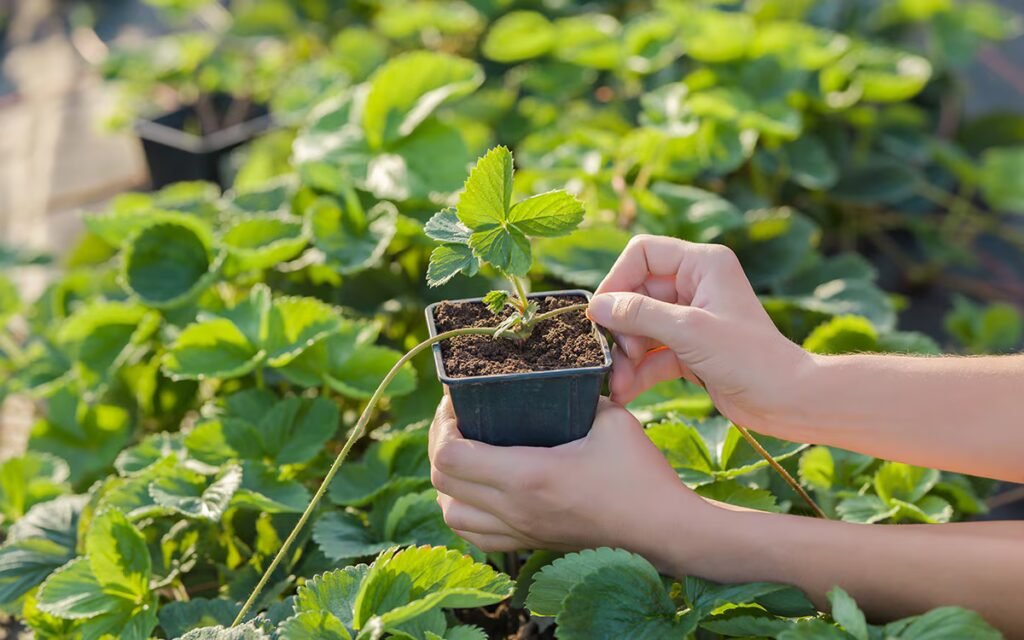
Root pruning is the process of trimming excess or damaged roots to stimulate new growth. It may seem drastic, but it is highly effective for reviving overgrown or stressed strawberry plants. Benefits include:
- Improved Nutrient Absorption: Pruning encourages new root development, allowing plants to take up nutrients more efficiently.
- Increased Berry Production: Healthy roots support more flowers and fruit.
- Prevention of Root Rot: Removing dead or decaying roots reduces disease risk.
- Enhanced Growth: Stimulates overall plant vigor and leaf development.
When to Rejuvenate Strawberry Plants
The best time to rejuvenate potted strawberries is during their dormant or early growth period:
- Early Spring: Before the main fruiting season begins.
- Late Summer/Early Fall: After harvest, when plants naturally slow down.
Avoid root pruning during active fruiting, as it can stress the plant and reduce yield.
Step-by-Step Guide to Root Pruning
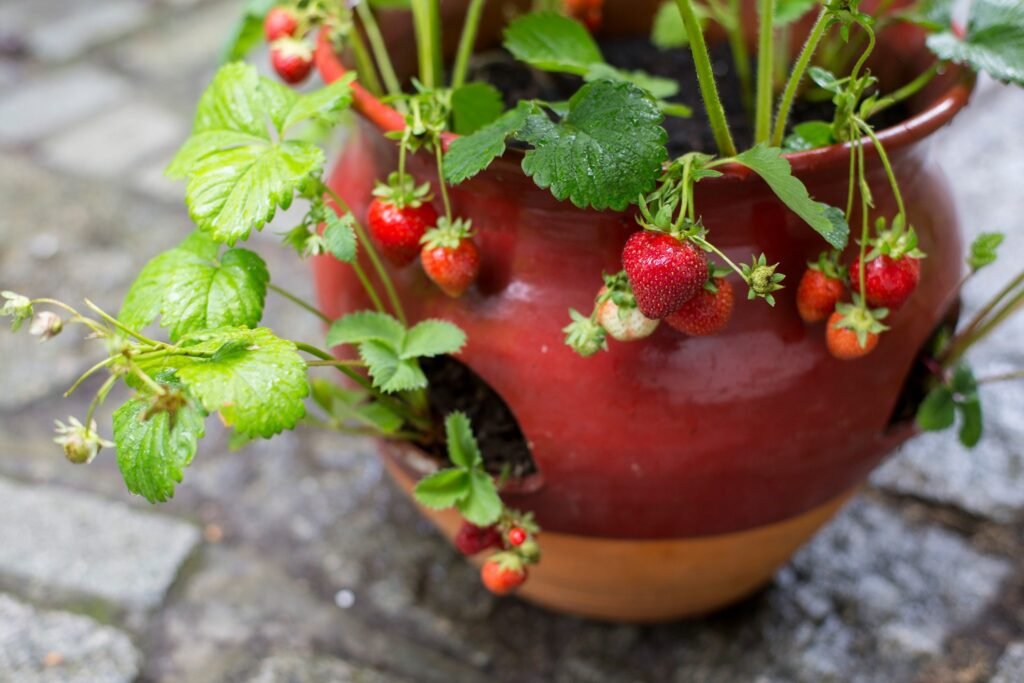
Step 1: Remove the Plant from the Pot
- Gently take the strawberry plant out of its container.
- Shake off excess soil to expose the roots without damaging them.
Step 2: Inspect the Roots
- Identify dead, brown, or mushy roots and any tangled or overly long roots.
- Healthy roots are firm and white.
Step 3: Trim the Roots
- Use sterilized scissors or pruning shears to trim away dead or damaged roots.
- Trim excessively long roots to promote compact, healthy growth.
- Avoid cutting more than one-third of the root mass to prevent excessive stress.
Step 4: Prepare Fresh Soil
- Use a well-draining, nutrient-rich potting mix.
- Combine garden soil, compost, and perlite or cocopeat for ideal growth conditions.
Step 5: Replant the Strawberry
- Place the plant back into the pot with fresh soil.
- Ensure the crown (where the leaves meet the roots) sits just above the soil line.
- Firm the soil gently around the roots and water thoroughly.
Transplanting Tips for Potted Strawberries
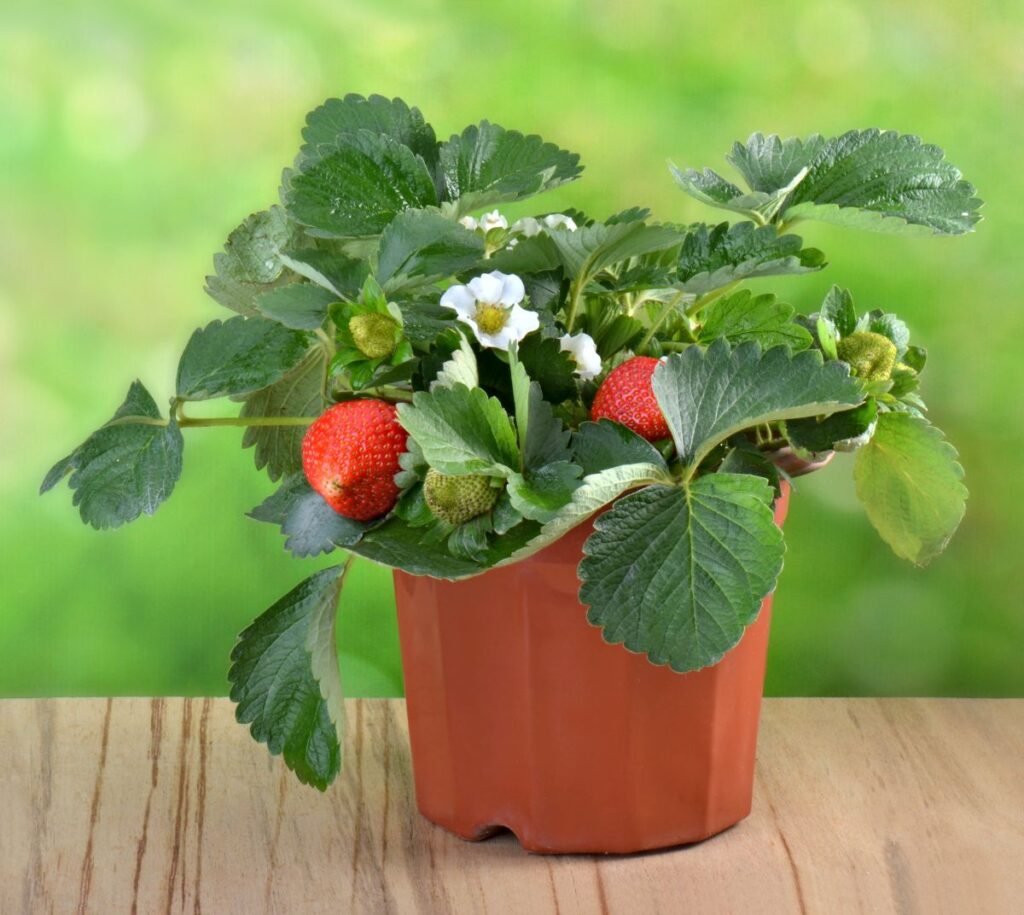
Transplanting is crucial for maintaining healthy potted strawberries, especially after root pruning:
- Choose the Right Container: Select a pot with drainage holes and adequate depth (6–12 inches for small varieties, 12–18 inches for larger ones).
- Spacing: Avoid overcrowding multiple plants in a single pot. Each plant needs room for roots to expand.
- Soil Preparation: Always use fresh, well-draining soil to prevent nutrient depletion and fungal issues.
- Watering: Water thoroughly after transplanting and maintain consistent moisture without overwatering.
- Sunlight: Position pots in areas with at least 6 hours of sunlight daily for optimal growth and fruiting.
Fertilizing Potted Strawberries
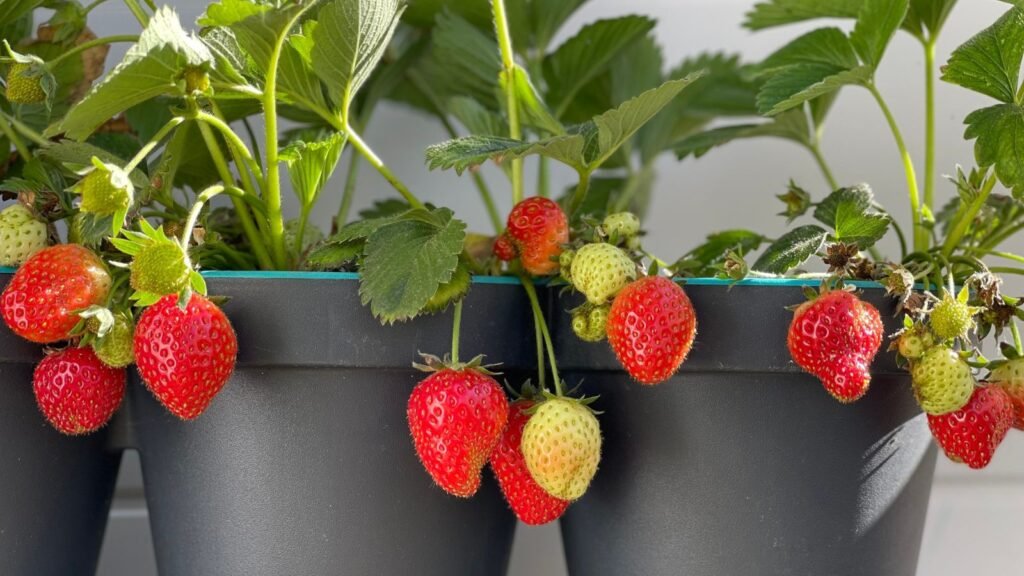
Nutrient-rich soil supports both vegetative growth and fruit production:
- Balanced Fertilizer: Use a fertilizer high in nitrogen for leaf growth early in the season, and switch to phosphorus and potassium before flowering and fruiting.
- Organic Options: Compost tea, vermicompost, and seaweed extract improve soil health and plant vigor.
- Frequency: Feed every 2–3 weeks during the growing season, reducing during dormancy.
Proper nutrition ensures rejuvenated plants produce abundant flowers and berries.
Caring for Rejuvenated Strawberry Plants
After root pruning and transplanting, careful attention is required to help the plants recover:
- Watering: Keep soil consistently moist, but avoid waterlogging. Use mulch to retain moisture and regulate soil temperature.
- Pruning Leaves: Remove dead or yellowing leaves to promote new growth and reduce disease risk.
- Pest Management: Watch for aphids, slugs, spider mites, and fungal infections. Neem oil, diatomaceous earth, or organic pesticides can help.
- Mulching: Apply straw, coconut coir, or dried leaves around the base to conserve moisture, prevent weeds, and maintain stable root temperature.
- Support: Use small trellises or stakes if needed for trailing varieties to prevent fruit from touching the soil.
Maximizing Strawberry Yield
Healthy, rejuvenated potted strawberries can provide multiple harvests each season:
- Encourage Runner Growth: Strawberry plants produce runners—long stems that form new plants. Allow some runners to root in the soil to expand your strawberry collection.
- Pinching Runners: For larger fruit, pinch off some runners to direct energy toward flower and fruit production.
- Flower Management: Remove early flowers from newly rejuvenated plants to allow the plant to establish strong roots and foliage before fruiting.
- Pollination: If grown indoors, gently shake flowers or use a small brush to transfer pollen between flowers.
Common Mistakes to Avoid
- Over-Pruning Roots: Cutting too many roots can stress or kill the plant. Limit pruning to one-third of the root system.
- Poor Drainage: Ensure pots have adequate drainage to prevent waterlogging.
- Neglecting Nutrition: Rejuvenated plants need consistent feeding to support growth and fruit production.
- Insufficient Sunlight: Strawberry plants require bright sunlight for 6–8 hours a day.
Avoiding these mistakes ensures your potted strawberries thrive after rejuvenation.
Longevity of Potted Strawberry Plants
With proper care, potted strawberry plants can remain productive for 2–4 years. Root pruning, regular transplanting, and attention to soil fertility help extend their lifespan and maintain high yields. Over time, you can propagate new plants from runners to replace older ones, ensuring a continuous supply of fresh strawberries.
Final Thoughts
Rejuvenating potted strawberry plants through root pruning and transplanting is an effective way to restore vigor, improve fruit production, and extend the life of your plants. By following proper techniques, providing fresh soil, consistent watering, balanced nutrition, and pest management, even older or stressed strawberry plants can recover and thrive.
Whether you are growing strawberries for personal consumption, family enjoyment, or small-scale gardening, these methods ensure healthy, productive plants year after year. With patience, attention, and the right care, your potted strawberries will reward you with vibrant foliage, sweet berries, and a beautiful addition to your home garden.