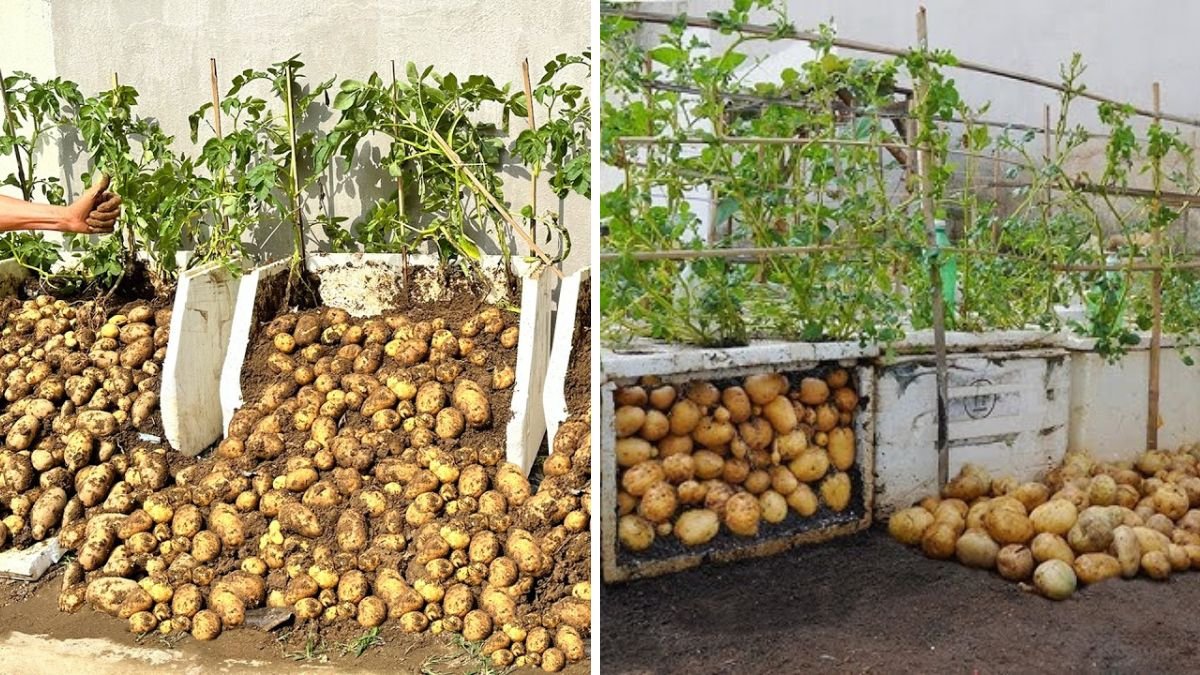
In recent years, container gardening has become one of the most popular ways to grow food at home. With shrinking living spaces, apartment lifestyles, and limited backyard access, more people are turning to creative solutions to grow vegetables on balconies, rooftops, and small patios. One such experiment that has gained attention online is growing potatoes and chayote in styrofoam boxes.
At first glance, styrofoam boxes may not seem like an ideal planting container. However, they are lightweight, inexpensive, and widely available. Curious gardeners have started using them as makeshift planters—and the results have been both inspiring and eye-opening.
This article explores what happens when you grow potatoes and chayote in styrofoam boxes, the challenges involved, and how you can improve your chances of success.
The Rise of Styrofoam Box Gardening
Styrofoam boxes are commonly used to transport fish, fruits, and vegetables. After use, many of them end up as waste. Instead of throwing them away, gardeners have found ways to reuse them as planting containers.
These boxes offer several advantages:
- They are lightweight and easy to move
- They insulate roots from extreme temperatures
- They are inexpensive or free
- They can be modified easily for drainage
With sustainability and recycling becoming more important, using styrofoam boxes for gardening fits perfectly into eco-friendly living.
For urban gardeners, these boxes provide a simple way to create a mini garden without investing in expensive pots or raised beds.
Growing Potatoes in Styrofoam Boxes
Planting Method
To grow potatoes in styrofoam boxes, most gardeners follow these basic steps:
- Drill drainage holes at the bottom
- Add a layer of gravel or sand
- Fill with loose, fertile soil
- Place seed potatoes with sprouts facing up
- Cover with soil and water thoroughly
As the potato plant grows, more soil is added around the stem, a process known as “hilling.” This encourages more tubers to form underground.
Growth Performance
In many experiments, potatoes grew surprisingly well in styrofoam boxes. The plants sprouted quickly and produced healthy green leaves within weeks. The insulation provided by the styrofoam helped maintain stable soil temperatures, which is beneficial for root development.
However, growth results varied depending on container size and soil depth. Shallow boxes limited tuber formation, while deeper boxes produced better yields.
Harvest Results
At harvest time, many gardeners were pleased to find a decent number of potatoes. In well-prepared boxes, yields ranged from moderate to impressive.
Common observations included:
- Tubers formed mainly at lower soil layers
- Larger containers produced better harvests
- Overcrowding reduced potato size
- Poor drainage caused rot in some cases
Overall, potatoes proved to be well-suited for styrofoam box gardening when proper care was taken.
Growing Chayote in Styrofoam Boxes
Understanding Chayote Growth
Chayote is a vigorous climbing plant belonging to the squash family. It produces long vines, heart-shaped leaves, and pear-shaped fruits. Unlike potatoes, chayote requires more space and vertical support.
The plant grows from a whole fruit rather than seeds. Once planted, it develops extensive roots and sends out long runners.
Container Challenges
Growing chayote in styrofoam boxes proved more challenging than potatoes. The main difficulties included:
- Limited root space
- Rapid vine growth
- Need for strong support
- High water and nutrient demands
In small containers, chayote plants often became root-bound quickly. This restricted growth and reduced fruit production.
Growth and Yield
When provided with adequate support such as trellises or bamboo frames, chayote plants grew vigorously even in containers. Leaves were lush, and vines climbed nearby structures.
However, fruiting was inconsistent. Some plants produced several healthy fruits, while others focused mainly on vine growth with little harvest.
Successful growers typically used:
- Large styrofoam boxes
- Deep soil layers
- Strong vertical supports
- Regular feeding
Without these, chayote plants struggled to reach their full potential.
Key Lessons from the Experiment
1. Container Size Matters
One of the biggest lessons from growing potatoes and chayote in styrofoam boxes is the importance of container size.
- Potatoes need at least 30–40 cm of soil depth
- Chayote requires even deeper and wider space
Small boxes limit root development and reduce yield.
2. Drainage Is Essential
Styrofoam boxes do not naturally drain water. Without proper holes, excess moisture builds up, leading to root rot and fungal diseases.
Always ensure:
- Multiple drainage holes
- A gravel layer at the bottom
- Free-flowing soil
Good drainage significantly improves plant health.
3. Soil Quality Makes a Difference
Using garden soil alone is often not enough. Successful growers used a mixture of:
- Compost
- Coco peat or peat moss
- Garden soil
- Organic fertilizer
This combination provided nutrients, aeration, and moisture retention.
4. Sunlight Determines Success
Both potatoes and chayote require at least 6–8 hours of sunlight daily. Containers placed in shaded areas produced weak plants and low yields.
Balconies and rooftops with full sun exposure gave the best results.
5. Regular Feeding Is Necessary
Container plants depend entirely on the nutrients you provide. Over time, soil becomes depleted.
Applying compost tea, vermicompost, or liquid fertilizers every 2–3 weeks helped maintain strong growth and better harvests.
Practical Tips for Better Results
If you plan to grow potatoes and chayote in styrofoam boxes, follow these expert-backed tips:
- Choose large, sturdy boxes
- Add drainage holes generously
- Use high-quality soil mix
- Place containers in full sunlight
- Install trellises for chayote
- Water consistently but moderately
- Fertilize regularly
- Remove weak or diseased shoots
These simple practices can double your chances of success.
Environmental and Health Considerations
Some gardeners worry about using styrofoam for food production. While short-term use is generally considered safe for home gardening, long-term exposure to heat and sunlight may cause slight degradation.
To reduce risks:
- Line boxes with thick plastic sheets
- Avoid placing them on hot surfaces
- Replace damaged containers
Alternatively, gardeners can switch to food-grade plastic containers or wooden boxes after gaining experience.
Why This Method Appeals to Home Gardeners
Growing potatoes and chayote in styrofoam boxes is popular because it:
- Saves space
- Reduces cost
- Recycles waste
- Encourages self-sufficiency
- Builds gardening skills
For beginners, this method offers an easy way to experiment without investing heavily.
It also provides a sense of satisfaction—turning discarded materials into productive food gardens.
Authoritative Sources for Further Learning
For deeper knowledge, gardeners can consult:
- University agricultural extension websites
- Horticulture research publications
- Container gardening manuals
- Sustainable farming guides
- Permaculture resources
These sources provide science-based advice on soil management, pest control, and plant nutrition.
Conclusion
Growing potatoes and chayote in styrofoam boxes proves that successful gardening does not always require traditional land or expensive equipment. With proper preparation, these humble containers can support healthy plant growth and rewarding harvests.
Potatoes adapt well to this method and can produce reliable yields when given enough depth and nutrients. Chayote, while more demanding, can also thrive if provided with space, support, and care.
The key to success lies in container size, soil quality, drainage, sunlight, and regular maintenance. By following these principles, home gardeners can transform simple styrofoam boxes into productive mini-farms.