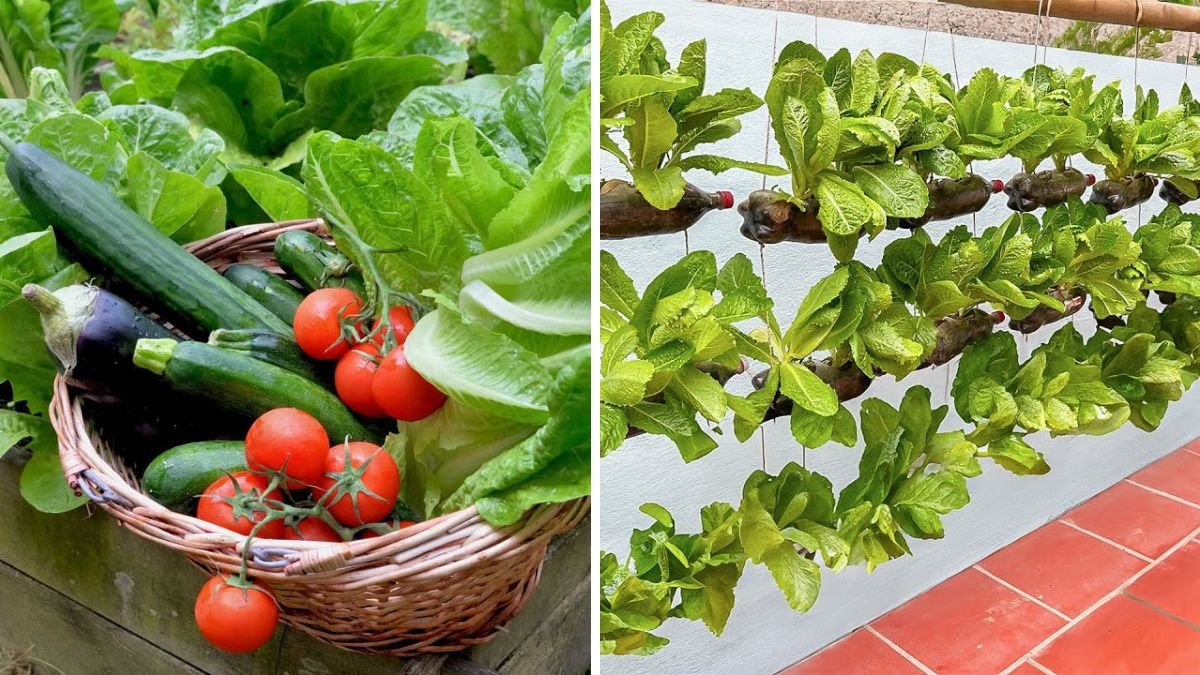
Growing your own food is no longer just a hobby for gardening enthusiasts. Around the world, more people are turning to home gardening as a way to save money, eat healthier, and become more self-sufficient. The idea of producing all your vegetables at home may sound ambitious, but many gardeners now proudly say, “I grew 100% of my own fresh vegetables using this method.”
With the right techniques, planning, and dedication, it is entirely possible to grow enough vegetables to meet your household’s needs. In this article, we explore the proven methods, practical tips, and background strategies that can help you achieve complete vegetable self-sufficiency.
Why Growing Your Own Vegetables Matters
Modern food systems rely heavily on transportation, packaging, and chemical preservation. While convenient, this often results in vegetables that are less fresh and lower in nutrients. By growing your own food, you gain control over what goes into your body and how your produce is cultivated.
Homegrown vegetables offer several benefits:
- Higher nutritional value
- Better taste and freshness
- Reduced grocery expenses
- Lower environmental impact
- Increased food security
In times of rising food prices and supply uncertainties, home gardening becomes not just a lifestyle choice but a practical solution.
The Method That Made 100% Self-Sufficiency Possible
The success behind “I grew 100% of my own fresh vegetables using this method” lies in combining multiple efficient gardening techniques into one system. Rather than relying on traditional single-crop farming, this approach focuses on:
- Building healthy soil
- Maximizing space
- Planting continuously
- Using natural fertilizers
- Growing seasonally
This method works equally well in backyards, terraces, balconies, and even indoor setups.
Step 1: Building Rich and Healthy Soil
Soil is the foundation of every successful garden. Without fertile soil, even the best seeds will struggle.
Composting at Home
Start by creating your own compost using kitchen waste, dry leaves, and garden scraps. Compost improves soil texture, adds nutrients, and supports beneficial microorganisms.
Natural Soil Boosters
You can enrich soil naturally using:
- Vermicompost (worm compost)
- Cow manure or organic manure
- Leaf mold
- Bone meal or neem cake
Avoid chemical fertilizers, as they may damage long-term soil health.
Step 2: Using Space Efficiently
One of the biggest myths about gardening is that you need a large plot of land. In reality, efficient space management allows you to grow more in less area.
Square Foot Gardening
This technique divides garden beds into small square sections. Each square grows a different crop, ensuring maximum productivity.
Raised Beds
Raised beds improve drainage, reduce weeds, and allow better soil control. They are ideal for intensive vegetable production.
Vertical Gardening
Grow climbers like beans, cucumbers, tomatoes, and gourds vertically using trellises or nets. This saves ground space and increases yield.
Container Gardening
For balconies and terraces, containers are perfect. Use grow bags, pots, or recycled buckets to cultivate vegetables.
Step 3: Planning Continuous Harvests
To grow 100% of your vegetables, you must ensure there is always something ready to harvest.
Succession Planting
Instead of planting everything at once, sow seeds every two to three weeks. This provides a steady supply of fresh produce.
Seasonal Crops
Plan your garden according to seasons:
- Summer: Tomato, chili, cucumber, okra
- Monsoon: Bottle gourd, bitter gourd, beans
- Winter: Carrot, spinach, peas, cabbage
Rotate crops to prevent soil depletion and disease.
Step 4: Choosing High-Yield Crops
Some vegetables produce more food per plant, making them ideal for self-sufficiency.
Best high-yield vegetables include:
- Tomatoes
- Spinach
- Okra
- Beans
- Chilies
- Cucumbers
- Eggplant
- Radish
- Lettuce
- Zucchini
Leafy greens are especially useful because they grow quickly and can be harvested multiple times.
Step 5: Natural Fertilizers and Pest Control
To maintain organic quality, use natural alternatives instead of chemicals.
Organic Fertilizers
- Compost tea
- Banana peel water
- Buttermilk solution
- Fish emulsion
- Neem cake extract
These improve plant growth and strengthen immunity.
Natural Pest Control
Common solutions include:
- Neem oil spray
- Garlic-chili spray
- Soap water solution
- Companion planting (marigold, basil, mint)
Healthy soil and strong plants naturally resist most pests.
Step 6: Water Management
Proper watering is essential for high yields.
Smart Watering Tips
- Water early in the morning
- Avoid overwatering
- Use drip irrigation if possible
- Mulch soil to retain moisture
Mulching with dry leaves or straw keeps soil cool and reduces evaporation.
Step 7: Year-Round Growing Strategies
To achieve full self-sufficiency, gardening should not stop in any season.
Greenhouses and Shade Nets
Simple plastic covers or shade nets protect plants from extreme heat, cold, and rain.
Indoor Growing
Grow herbs and leafy greens indoors near windows using pots or hydroponic kits.
Hydroponics
For those with very limited space, hydroponics allows soil-free vegetable cultivation with high efficiency.
Background: The Rise of Self-Sufficient Gardening
Self-sufficient gardening has roots in traditional farming and homesteading. During past food shortages, families relied on “kitchen gardens” to survive. Today, the movement is growing again due to environmental awareness and economic pressures.
Urban gardening, terrace farming, and community gardens are now common in many cities. Social media and online tutorials have made expert knowledge accessible to everyone.
This revival proves that modern lifestyles and food independence can coexist.
Common Challenges and How to Overcome Them
Lack of Time
Solution: Automate watering and choose low-maintenance plants.
Pest Attacks
Solution: Maintain hygiene, rotate crops, and use neem-based sprays.
Poor Growth
Solution: Improve soil quality and check sunlight exposure.
Seasonal Failures
Solution: Keep backup seeds and diversify crops.
Every gardener faces setbacks, but persistence leads to success.
Practical Tips for Beginners
If you are just starting, follow these simple steps:
- Begin with 5–6 easy crops
- Use raised beds or containers
- Focus on soil improvement
- Learn seasonal planting
- Maintain a garden journal
- Start composting immediately
Gradually expand your garden as you gain experience.
How Long Does It Take to Become 100% Self-Sufficient?
Most gardeners achieve near-complete self-sufficiency within 12 to 24 months. The first year is for learning and experimentation. The second year brings better planning, higher yields, and confidence.
With consistency, many families eventually stop buying vegetables altogether.
Authoritative Resources for Further Learning
To deepen your knowledge, explore these trusted sources:
- University agricultural extension websites
- Organic farming manuals
- Square Foot Gardening guides
- Korean Natural Farming resources
- Hydroponic farming publications
These provide scientific backing and advanced techniques.
Conclusion
The journey behind “I grew 100% of my own fresh vegetables using this method” is not about perfection—it is about persistence, planning, and passion. By focusing on healthy soil, efficient space use, continuous planting, and natural care, anyone can transform a small space into a productive food system.
Whether you have a backyard, terrace, or balcony, this method proves that self-sufficiency is within reach. With time and dedication, you can enjoy fresh, chemical-free vegetables every day—straight from your own garden to your plate.