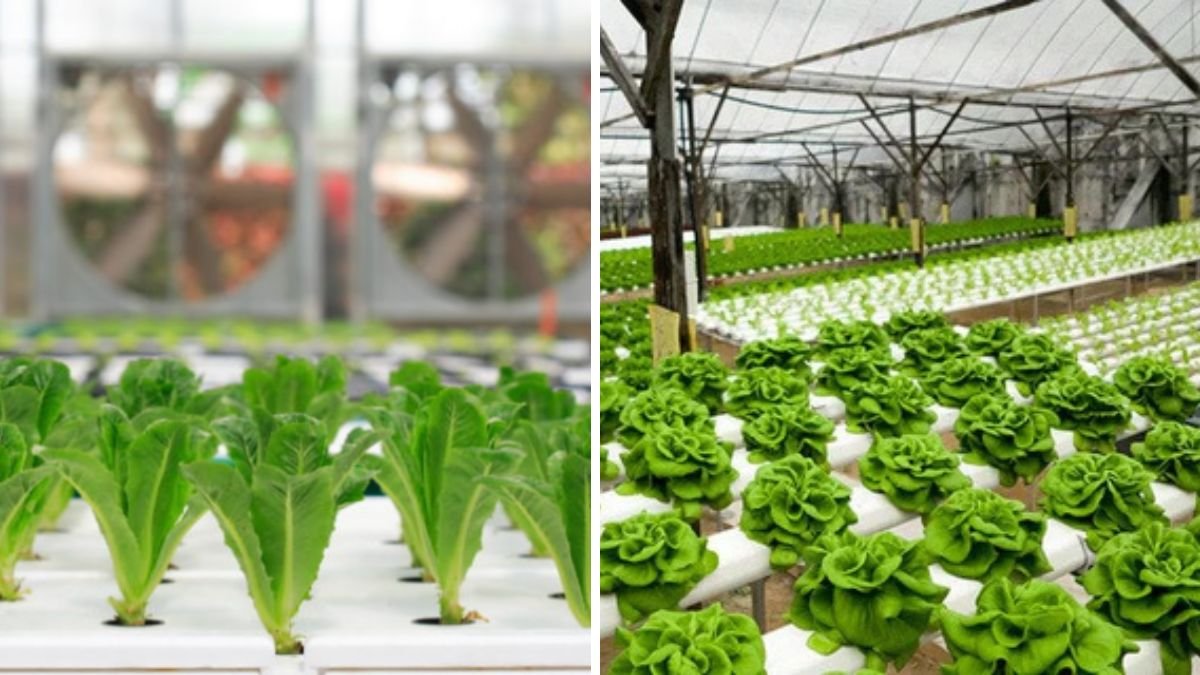
Introduction – Why Soil Isn’t Always Necessary
Have you ever thought you could grow fresh, healthy vegetables without soil — right on your balcony, rooftop, or even indoors? This isn’t a gardening dream anymore. Thanks to advanced soil-free growing systems, particularly hydroponics, gardeners and commercial growers alike are harvesting vegetables using only water enriched with nutrients. In 2026, these soilless systems are moving from niche technology to mainstream food production and sustainability solutions.
More cities, schools, and farms worldwide are adopting water-based growing methods to overcome land scarcity, reduce water use, and produce high-yield crops year-round — all without traditional field soil. This rising innovation is redefining how we think about growing food at home and for profit.
The Science of Soilless Growing: Hydroponics Explained
At its core, hydroponics is a method of cultivating plants without soil, replacing it with a nutrient-rich water solution. Instead of extracting nutrients from soil, plant roots access all essential minerals dissolved directly in water. This enables faster growth, more efficient nutrient absorption, and often higher yields.
There are different types of hydroponic systems:
- Deep Water Culture (DWC): Roots hang in oxygenated nutrient water.
- Aeroponics: Roots are misted with nutrient solution — maximizing oxygen intake.
- Kratky Method: No pumps or electricity — and a simple setup ideal for beginners.
These systems allow controlled environments that make growing vegetables possible anywhere — from apartment windowsills to large commercial greenhouses.
Global Trends Driving Adoption in 2026
In the past year, hydroponics has seen explosive growth worldwide as businesses, communities, and researchers explore sustainable, soil-free agriculture.
🌍 1. Water-Efficient Agriculture in Arid Regions
In places with extreme climates like Saudi Arabia, hydroponics and vertical farming are rapidly gaining popularity as solutions for sustainable cultivation. These methods can reduce water usage up to 90% compared to traditional farming, while maintaining high yields in limited spaces.
👨🌾 2. Commercial and Startup Innovation
India has seen soil-free systems being used by innovative startups. For example, young entrepreneurs have started soil-free vegetable production farms in Rajasthan, using hydroponics to grow leafy greens and market them locally.
🌱 3. New Research and Experimental Gardens
International organizations like the Food and Agriculture Organization (FAO) have inaugurated hydroponic gardens to study more efficient water management and crop growth without soil — a sign that major institutions see this technology as a key tool for future food security.
🚢 4. Unconventional Applications
Hydroponics is even being tested on merchant ships to improve crew nutrition and morale. Fresh vegetables grown onboard help meet dietary needs where supply types are limited.
Why Hydroponics Works So Well: Benefits of Water-Only Vegetable Growing
💧 1. Extremely Water-Efficient
Hydroponic systems reuse and recycle water, significantly reducing overall consumption. This makes them ideal for drought-prone regions and urban areas with limited fresh water.
🥬 2. Faster Growth Rates
Plants grown hydroponically often mature faster than soil-grown counterparts because nutrients are more readily available and easily absorbed, which accelerates growth cycles.
🌍 3. Year-Round Production
With controlled environments (light, temperature, and nutrient dosing), you can grow vegetables even during off-season months without weather concerns.
🔬 4. Disease Reduction
Soil-borne pathogens and pests are virtually eliminated in water-based systems, leading to cleaner, safer produce that may also reduce the need for pesticides.
📦 5. Space-Saving and Scalable
From simple countertop systems to vertical farms, hydroponics scales to match your space — big or small. This versatility is especially valuable for urban agriculture.
Getting Started: Easy Water-Only Vegetables for Beginners
If you’re new to this, start with vegetables that are known to perform well in water-based systems. These include:
- Leafy greens like lettuce, spinach, and kale — fast to grow and highly rewarding.
- Herbs such as basil and mint — perfect for windowsill kits.
- Green onions and celery — can even regrow from kitchen scraps in water.
For fruiting plants like tomatoes, peppers, and strawberries, you’ll need more precise nutrient balance, light, and environmental control — but 2025–2026 advances have made these more achievable.
Step-by-Step Beginner Guide to Hydroponic Vegetable Growing
🛠 Step 1: Choose Your System
For beginners, passive setups like the Kratky method are ideal — no pumps or electricity required.
💧 Step 2: Prepare Nutrient Solution
Use a balanced hydroponic nutrient mix dissolved in clean water — this replaces soil’s role.
🪴 Step 3: Provide Adequate Lighting
Sunlight is great, but many setups benefit from LED grow lights — especially indoors.
🌡 Step 4: Monitor pH and Nutrient Levels
Checking water pH and nutrient concentration ensures plants absorb what they need.
🔄 Step 5: Harvest and Maintain
With regular checks, most leafy greens can be ready in a few weeks — keep adding water and nutrients as plants grow.
Mistakes to Avoid
- Skipping nutrient checks: Water alone won’t nourish plants; nutrients are essential.
- Poor lighting: Without sufficient light, growth slows.
- Ignoring cleanliness: Algae and contamination can build up if reservoirs aren’t cleaned regularly.
Expert Insights & Future Directions
The growth of hydroponics isn’t just a trend — it’s a response to real challenges like water scarcity, urban food needs, and sustainable agriculture. Researchers continue refining technologies, such as integrating AI and monitoring systems for optimized water use and plant health. These advances promise to make soil-free growing even more efficient and accessible in the years ahead.
While hydroponics currently excels for leafy greens and some fruiting vegetables, innovations in sensor technologies, seed varieties, and nutrient management are rapidly expanding what’s possible.
Conclusion — The Future of Soil-Free Gardening Begins Now
If you’re dreaming of fresh vegetables grown with just water, you’re not alone. Hydroponics is reshaping the future of gardening and farming by making sustainable, soil-free growing practical for beginners, schools, commercial farms, and urban gardeners alike.
Whether you want crisp lettuce on your windowsill or a full hydroponic system feeding your family year-round, the tools and knowledge are more accessible than ever — and the momentum in 2025–2026 proves this is a reliable method for efficient vegetable production.
Suggested Authoritative Sources to Reference
- FAO — Sustainable Hydroponic Research & Gardens
- Recent hydroponics advancements in Saudi Arabia
- Hydroponic systems beginner guides (Kratky method)
- Home gardening hydroponic vegetable success stories