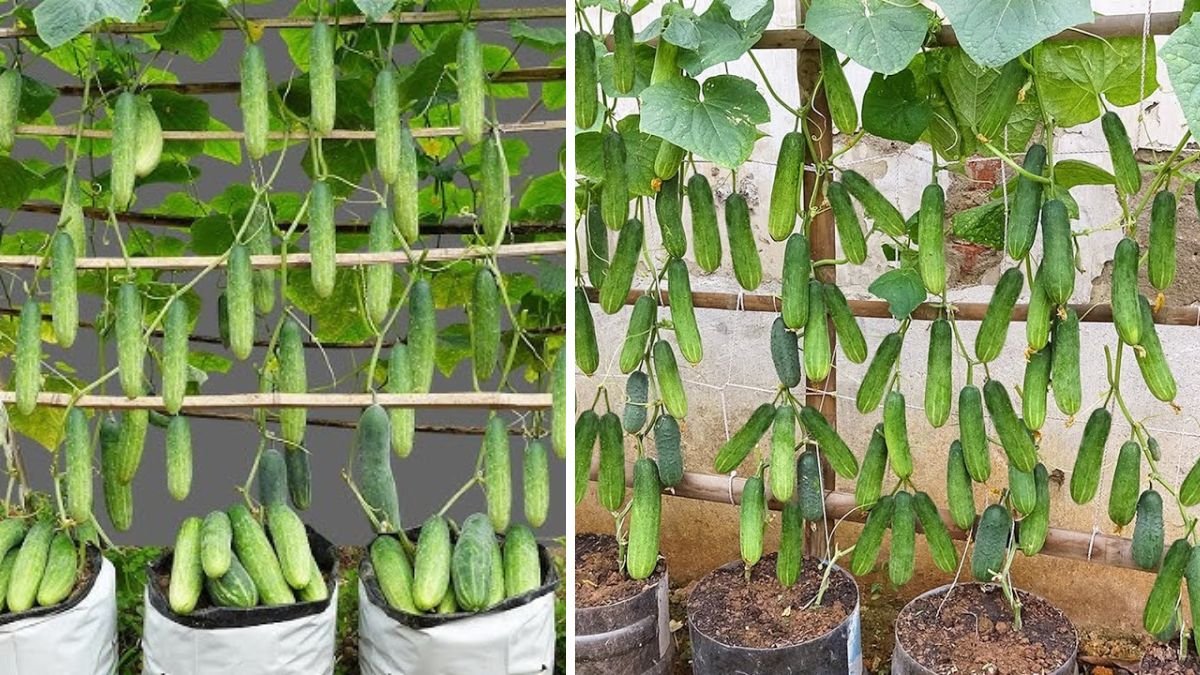
Cucumbers are one of the most rewarding crops for home and small-scale gardeners. Crisp, refreshing, and prolific, cucumbers can produce a bountiful harvest if grown under the right conditions. While they are relatively easy to grow, achieving lots of fruit and high yield requires proper soil preparation, consistent watering, trellising, pollination, and timely harvesting. In this guide, we’ll explore expert-backed tips for growing cucumbers effectively and maximizing your harvest.
Why Growing Cucumbers Effectively Matters
Cucumbers are a staple in gardens because of their versatility and taste, but gardeners often struggle to get abundant fruit. The key is understanding the conditions that cucumbers thrive in. Modern gardeners are now combining traditional care with new techniques such as vertical gardening, companion planting, and organic feeding schedules to maximize fruit production. By focusing on soil fertility, sunlight, pollination, and structure, you can ensure a healthy, productive crop.
Selecting the Best Growing Conditions
Cucumbers flourish in warm, sunny conditions. They require at least 6–8 hours of direct sunlight per day for flowering and fruit development. Choosing the right location, whether in garden beds or containers, is crucial to achieving maximum yield.
Ideal conditions include:
- Warm soil (around 70°F or 21°C)
- Full sun exposure
- Well-draining, loose soil
- Adequate air circulation
If your garden has cooler soil, consider using row covers or warming the soil with black plastic mulch to encourage germination and early growth.
Soil Preparation and Fertility
Healthy soil is the foundation of vigorous cucumber growth. Cucumbers prefer slightly acidic to neutral soil (pH 6.0–7.0) enriched with organic matter. Fertile soil ensures strong root systems, larger plants, and more flowers that eventually become fruit.
Soil tips for maximum yield:
- Mix garden soil with compost or well-rotted manure for nutrients.
- Add materials like coco coir or perlite for aeration and drainage.
- Incorporate fish meal, bone meal, or Epsom salt to boost root and fruit development.
- Avoid compacted soil; cucumbers need loose soil for roots to spread effectively.
Proper soil preparation not only supports strong growth but also reduces the risk of disease and poor fruit formation.
Watering for Consistent Growth
Cucumbers are about 95% water, making consistent moisture vital for high yield. Uneven watering can cause bitter fruit, poor flowering, or diseases.
Watering best practices:
- Water deeply, approximately 1–2 inches per week, depending on climate.
- Use drip irrigation or soaker hoses to deliver water directly to roots while keeping leaves dry.
- Mulch with straw, dry leaves, or coco husk to retain soil moisture and regulate temperature.
- Avoid overhead watering, which increases the risk of fungal infections.
Maintaining steady soil moisture encourages strong flowering and fruit set, ensuring abundant cucumbers throughout the season.
Trellising and Structural Support
Vertical trellising is one of the most effective ways to maximize cucumber yield. Training vines upward improves air circulation, sunlight exposure, and space efficiency. It also keeps fruit cleaner and straighter, making harvesting easier.
Trellising tips:
- Use bamboo stakes, vertical netting, or wire mesh supports.
- Train vines gradually as they grow, tying stems gently to supports.
- Space plants to avoid overcrowding, which can reduce airflow and increase disease risk.
- Vertical growth encourages more flowers and fruit on each vine.
Trellising is especially useful for small gardens or balcony containers, allowing more plants per square foot without compromising health.
Pollination for More Fruit
Even healthy cucumber plants won’t set fruit without proper pollination. Flowers need pollen transfer to produce cucumbers. In home gardens, encouraging pollinators or hand-pollinating can significantly increase yield.
Pollination strategies:
- Plant bee-friendly flowers like lavender or zinnias nearby.
- Hand-pollinate using a small brush to transfer pollen from male to female flowers if natural pollinators are scarce.
- Avoid broad-spectrum pesticides that can harm bees and beneficial insects.
By promoting effective pollination, you can ensure that more flowers turn into fruit, boosting your harvest dramatically.
Fertilization and Feeding
Cucumbers are heavy feeders and require nutrients throughout the growing season. Providing the right fertilizer at the right time encourages strong vines and abundant fruit.
Feeding schedule for optimal growth:
- At planting: incorporate compost or aged manure into the soil.
- During flowering: use balanced or potassium-rich fertilizer to support fruit development.
- Every 2–3 weeks: supplement with organic feeds like seaweed extract or fish emulsion.
Consistent feeding helps the plant maintain energy for flowering and fruiting rather than just vine growth.
Pruning and Plant Management
Pruning cucumbers may seem optional, but it helps focus plant energy on fruit production rather than excessive foliage.
Management tips:
- Remove excess leaves to improve air circulation.
- Pinch back side shoots to redirect energy to main vines.
- Regularly remove dead or diseased leaves to prevent fungal infections.
- Space plants appropriately to reduce competition for nutrients and sunlight.
Proper pruning encourages healthier plants and increases both the quantity and quality of cucumbers.
Harvesting for Continuous Production
Harvesting cucumbers at the right time is crucial. Leaving mature fruit on the vine signals the plant to slow production. Frequent picking encourages continuous flowering and more fruit.
Harvesting tips:
- Pick cucumbers while they are young for the best texture and flavor.
- Check plants daily during peak growth periods.
- Remove oversized or older cucumbers promptly to stimulate further production.
Consistent harvesting ensures that the plant continues producing throughout the growing season.
Common Problems and How to Fix Them
Even well-cared-for cucumber plants can face challenges. Knowing common problems and solutions helps maintain a productive crop.
Typical challenges include:
- Powdery mildew: improve airflow, prune leaves, and avoid wetting foliage.
- Bitter fruit: maintain consistent soil moisture and avoid over-fertilizing with nitrogen.
- Pests: use companion planting (e.g., marigolds) or row covers to deter beetles and caterpillars.
Early detection and intervention are key to maintaining high yields and healthy plants.
Benefits of Growing Cucumbers at Home
Cucumbers are more than just a tasty addition to salads. Home-grown cucumbers offer numerous advantages:
- Fresh, crisp fruit free from chemical residues
- Continuous harvest for multiple weeks
- Encouragement of pollinators and garden biodiversity
- Satisfaction and learning for beginner gardeners
- Efficient use of space through trellising and vertical gardening
Even a small balcony or container garden can produce impressive yields when proper care is taken.
Authoritative Sources
For more in-depth guidance, consult these trusted sources:
- Royal Horticultural Society – Cucumbers Guide – practical steps for feeding, pruning, and care (rhs.org.uk)
- Times of India – Pollination Tips – modern pollination and fruit-set strategies (timesofindia.indiatimes.com)
- Colaba Market – Container Cucumber Tips – watering and trellising for high yield (colabamarket.com)
These resources provide actionable, reliable guidance to help you grow cucumbers effectively and ensure a productive harvest.
Final Thoughts
Growing cucumbers for maximum fruit and high yield is achievable with the right combination of soil, water, sunlight, pollination, and care. By following these expert-backed practices, you can enjoy crisp, home-grown cucumbers throughout the season. Whether you’re a beginner or an experienced gardener, these tips will help you grow healthy, high-yielding cucumber plants that thrive in any home garden