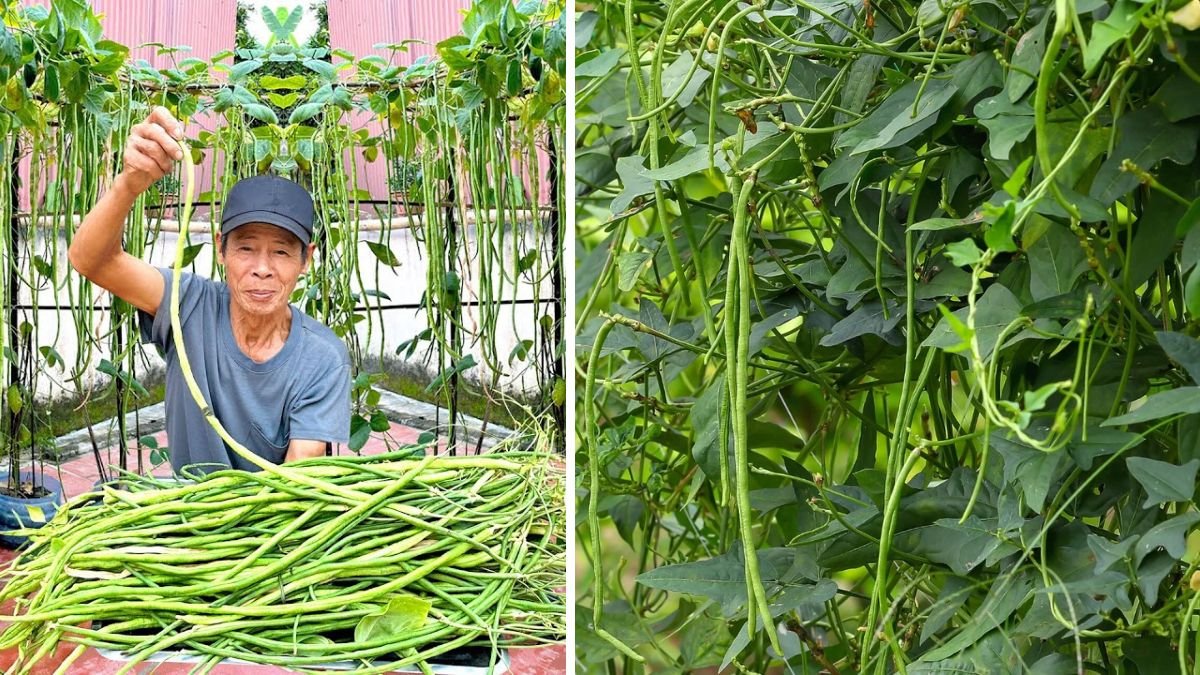
Cowpeas, also known as black-eyed peas, are a crucial legume crop across Africa, Asia, and parts of the Americas. They are valued for their high protein content, drought tolerance, and ability to improve soil fertility through nitrogen fixation. With modern agricultural research constantly uncovering better management practices, farmers and gardeners now have access to strategies that can dramatically boost cowpea yields. Whether you are a smallholder, an urban farmer, or growing in limited space, understanding the right techniques is essential to achieving outstanding results.
This article explores practical, research-backed strategies to help cowpeas achieve their full yield potential in 2026 and beyond.
Understanding the Importance of Cowpea Yields
Cowpeas contribute significantly to food security and rural livelihoods, particularly in semi-arid and tropical regions. In addition to providing a reliable source of protein, cowpeas enrich the soil by fixing atmospheric nitrogen, which benefits subsequent crops. Optimizing cowpea yields has become increasingly important due to climate variability, growing populations, and the need for sustainable farming practices.
Recent research highlights the impact of modern agronomic techniques on cowpea production. Field trials in countries like Kenya, Nigeria, and India have shown that applying the right combination of variety selection, soil management, irrigation, and pest control can dramatically increase both the quantity and quality of cowpea harvests.
1. Choose High-Yielding and Well-Adapted Varieties
The foundation of high cowpea yields is selecting improved varieties. Not all cowpea cultivars perform equally under different environmental conditions. Some have been bred specifically for drought tolerance, pest resistance, or enhanced pod production.
High-yielding, locally adapted varieties can significantly outperform traditional types. Extension services and seed suppliers can guide farmers on the best options for their regions. Choosing the right variety ensures the plants are suited to your climate and soil type, reducing the risk of crop failure.
Key Tip: Look for varieties with resistance to common pests like aphids and pod borers, and with proven performance in local trials.
2. Optimize Planting Time and Density
Planting cowpeas at the right time and in optimal spacing is critical for maximizing yield. Early sowing at the beginning of the rainy season allows seedlings to establish before periods of water stress. Conversely, late sowing can expose plants to heat and drought during flowering and pod development, reducing yields.
Planting density also affects productivity. Too few plants underutilize the land, while overcrowding can lead to competition for sunlight, water, and nutrients. Research shows that increasing plant density within recommended ranges, combined with adequate soil fertility, can boost yields by more than 200% compared to low-density plantings.
Recommended Spacing:
- Rows: 30–45 cm apart
- Plants within rows: 10–15 cm apart
- Adjust based on soil fertility and moisture availability
This balance ensures that each plant receives enough resources while maximizing the number of plants per area.
3. Improve Soil Fertility and Nutrient Management
Healthy soil is the cornerstone of high cowpea productivity. While cowpeas fix nitrogen from the atmosphere, they still benefit from balanced nutrient management, especially phosphorus (P) and potassium (K), which are often limiting in many soils.
Soil Management Tips:
- Conduct a soil test before planting to determine nutrient deficiencies
- Apply compost or farmyard manure to improve soil structure, moisture retention, and microbial activity
- Use phosphorus and potassium fertilizers according to soil test results
- Avoid excessive nitrogen fertilization, as this encourages vegetative growth at the expense of pods
By optimizing soil fertility, plants grow stronger, flower more, and set more pods, directly contributing to higher yields.
4. Efficient Irrigation and Moisture Management
Although cowpeas are drought-tolerant, water availability during flowering and pod-filling stages is critical for yield. Stress during these stages can reduce pod set and seed development. Implementing proper irrigation strategies can stabilize yields even in challenging climatic conditions.
Water Management Tips:
- Use drip irrigation or targeted watering to provide consistent moisture during critical growth stages
- Apply mulches (straw, leaves, or other organic material) to retain soil moisture and suppress weeds
- Avoid waterlogging, as cowpeas prefer well-drained soil
These simple interventions can prevent yield losses caused by water stress.
5. Manage Pests and Diseases Effectively
Pests and diseases are major constraints in cowpea production. Pod borers, aphids, and fungal infections can reduce yields significantly if left uncontrolled. Adopting integrated pest management (IPM) strategies is both environmentally friendly and effective.
IPM Strategies:
- Scout fields regularly to detect pest problems early
- Use physical barriers, traps, or natural predators to control insects
- Remove infected plants promptly to prevent disease spread
- Apply chemical pesticides only when necessary and follow safety guidelines
Research indicates that combining resistant varieties with IPM practices can dramatically reduce losses and improve yield stability.
6. Use Structural Supports and Trellises
Cowpea vines can benefit from vertical growth using stakes, trellises, or wire supports. Training the plants upward improves light penetration, airflow, and access to flowers and pods, which reduces disease risk and increases pod set.
Benefits of Trellising:
- Reduces pest and disease pressure
- Improves air circulation and light exposure
- Makes harvesting easier and more efficient
Even in small spaces, vertical support structures can help maximize the number of productive plants.
7. Intercropping and Crop Rotation
Intercropping cowpeas with compatible crops like okra, maize, or squash can improve overall farm productivity. Cowpeas enrich the soil with nitrogen, benefiting neighboring crops. Intercropping also helps reduce pest pressure by diversifying plant hosts and can improve resource use efficiency.
Crop rotation, where cowpeas follow non-legume crops, maintains soil fertility and minimizes disease buildup, supporting long-term productivity.
8. Harvest at the Optimal Time
Timing is critical for harvesting cowpeas. Pods should be collected when they are fully developed but before they dry and shatter. Early or late harvesting can reduce both yield and seed quality.
Tip: Monitor pod maturity carefully and plan harvesting to prevent losses due to overripe pods.
Summary: Key Practices for Outstanding Cowpea Yields
To achieve maximum productivity, farmers should implement a combination of these strategies:
| Strategy | Yield Impact |
|---|---|
| High-yielding varieties | Improves genetic potential and disease resistance |
| Optimal planting time & density | Maximizes plant growth and pod set |
| Balanced soil fertility | Supports robust development and higher pod count |
| Proper irrigation & mulching | Maintains soil moisture during critical stages |
| Integrated pest & disease control | Reduces crop losses and improves quality |
| Trellising & vertical growth | Enhances airflow, light exposure, and pod set |
| Intercropping & rotation | Improves resource use and soil health |
| Timely harvest | Ensures maximum yield and seed quality |
Applying these practices consistently can significantly increase cowpea productivity, even under challenging conditions.
Recommended Authoritative Sources
For further research and practical guidance, consult these trusted resources:
- Crop Trust – Cowpeas in Nigeria: Explores the impact of improved varieties and genebanks on production. (croptrust.org)
- MDPI – Improving Cowpea Productivity: Provides research-backed nutrient management and agronomic strategies. (mdpi.com)
- Standard Media – Boosting Cowpea Yields in Kenya: Field-tested planting density and top-dressing strategies. (standardmedia.co.ke)
- CSIRO – Insect-Protected Cowpeas: Insights into pest-resistant cowpea varieties. (csiro.au)
- Southern SARE – Intercropping Cowpeas: Explores companion planting benefits and yield optimization. (southern.sare.org)
Conclusion
Achieving outstanding cowpea yields requires careful attention to variety selection, planting strategies, soil fertility, pest management, and harvest timing. By adopting these research-backed practices, farmers and gardeners can maximize productivity, improve resilience to climate stress, and ensure high-quality, nutritious crops.
Whether you are a smallholder aiming for food security or a commercial grower targeting market sales, these strategies can help cowpeas thrive. Implementing [FOCUS KEYWORD] consistently is the key to sustainable, high-yield cowpea production.