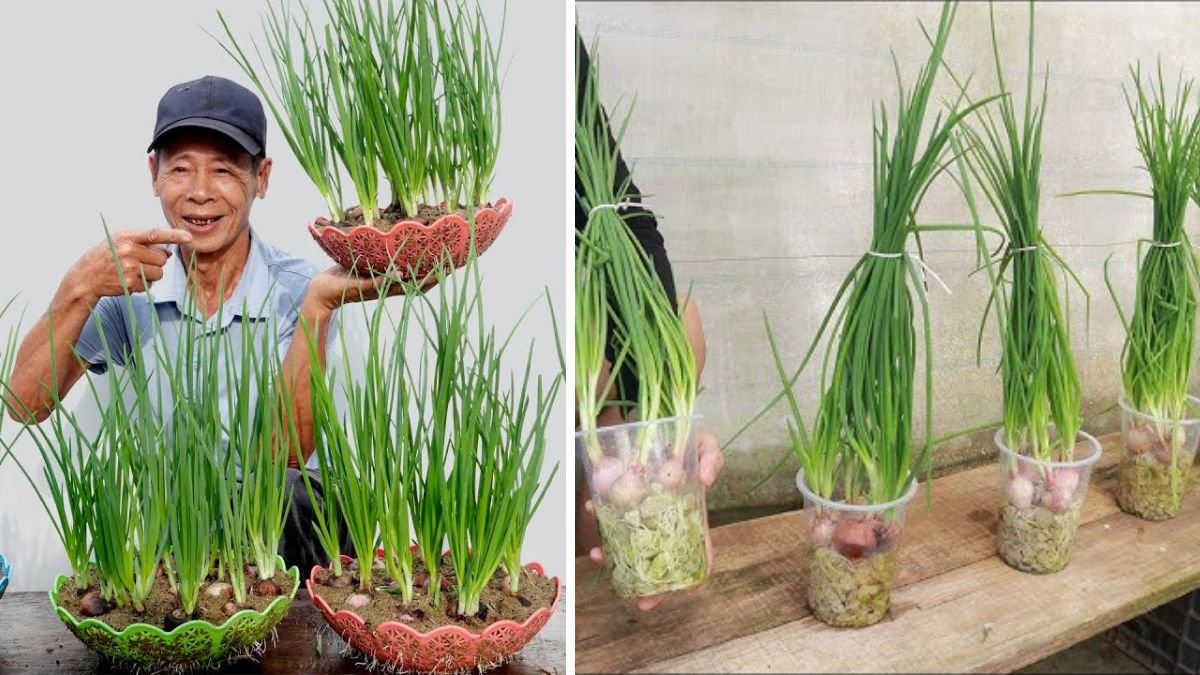
Onions are a kitchen staple — versatile, flavorful, and packed with nutrients — yet many gardeners struggle to grow them successfully. Small bulbs, uneven growth, or failed crops often leave beginners asking, “Why didn’t I know how to grow these onions earlier?” The good news is that with a few expert-backed techniques, growing onions can become simple, rewarding, and surprisingly easy.
This guide focuses on FOCUS KEYWORD, exploring practical planting tips, timing strategies, soil preparation, and variety selection that help onions thrive with minimal stress.
Understanding Onion Basics
Onions are biennial plants, meaning they typically form bulbs in the first year and flower in the second if left in the ground. For home gardeners, the goal is usually to harvest a full bulb during the first season. Many gardeners struggle because they skip critical steps, such as selecting the right variety for their climate or providing proper soil and spacing.
There are three main ways to grow onions:
- Seeds: These are started indoors and transplanted outdoors after seedlings are strong enough.
- Onion sets: Small bulbs that are easy to plant and quickly establish in the garden.
- Transplants (starts): Nursery-grown seedlings ready for planting.
Choosing the right method for your climate and growing season can drastically increase your success rate.
Choosing the Right Spot and Soil
Sunlight and soil quality are essential for strong onion growth. Onions need full sun — at least 6–8 hours of direct sunlight daily. Shade or poor light will produce thin, weak bulbs.
The ideal soil is loose, well-draining, and rich in organic matter. Adding compost or aged manure improves water retention, provides nutrients, and encourages healthy root development. Onions prefer slightly acidic to neutral soil (pH 6.0–6.8), which supports bulb formation. Avoid heavy clay soils that retain water and can cause rot.
Raised beds or well-prepared garden plots can create perfect growing conditions, providing good drainage and a fertile, aerated root zone.
Timing: When to Plant
Planting timing often makes or breaks onion crops. Even experienced gardeners sometimes get small bulbs because they plant too early or too late.
- Seeds: Start indoors 8–12 weeks before your last frost date. Transplant seedlings once the soil is workable and temperatures are safe.
- Onion sets: These can be planted directly into the garden when the soil warms to about 50°F (10°C). Sets mature faster than seeds and are easier for beginners.
- Transplants: Hardening off transplants before planting reduces shock and improves establishment.
Planting at the right time ensures onions have enough time to grow, mature, and develop full bulbs before hot summer weather or frost arrives.
Spacing: Give Your Onions Room to Grow
Proper spacing is critical. Crowded onions compete for nutrients and water, resulting in small, misshapen bulbs. For best results:
- Space individual plants 4–6 inches apart.
- Leave 12–18 inches between rows to allow air circulation.
Correct spacing reduces disease risk and gives bulbs the room they need to swell fully.
Watering and Feeding
Onions need consistent moisture, but overwatering is a common mistake. Deep, infrequent watering is ideal:
- Water deeply once or twice a week, depending on rainfall and soil type.
- Avoid soggy soil; waterlogging leads to root rot and disease.
Onions also benefit from balanced fertilizer. Apply nitrogen at planting and side-dress during early growth to encourage leaf development. Reduce nitrogen once bulb swelling begins to avoid leafy growth at the expense of bulb size.
Mulching around the base of onions helps conserve moisture, suppress weeds, and stabilize soil temperature, reducing the need for constant watering.
Choosing the Right Varieties
Onion varieties are adapted to different day-length conditions:
- Short-day onions: Best for warmer climates, they start forming bulbs with 10–12 hours of daylight.
- Long-day onions: Ideal for cooler climates, they require 14–16 hours of daylight to form bulbs.
Selecting the correct type for your region dramatically improves bulb size and overall yield. Beginners often skip this step, which is why many ask, “Why didn’t I know this earlier?”
Container Gardening for Onions
If garden space is limited, onions grow well in containers. Key points for container success:
- Use large pots with well-draining potting mix.
- Add compost to improve fertility and moisture retention.
- Space onions properly to allow for bulb swelling.
- Mulch container soil to reduce evaporation.
Containers allow greater control over soil quality, drainage, and spacing — making onions easier to grow with less effort.
Common Challenges and Solutions
Even with careful planning, onions can face challenges:
- Premature bulb exposure: If a bulb shows early, don’t bury it back down. Exposed bulbs reduce rot risk.
- Crowding: Small bulbs often result from planting too close together.
- Pests and diseases: Thrips, mildew, and root rot are common. Encourage airflow, avoid overwatering, and remove affected plants promptly.
By addressing these issues early, gardeners can maximize their harvest.
Bonus Tips for Beginners
- From scraps: Green onions can regrow from kitchen scraps, but full bulbs are best grown from sets or seeds.
- Grow in rows or clusters: Efficient planting saves space and keeps maintenance manageable.
- Layer compost and mulch: Protects soil, feeds plants, and reduces watering needs.
- Observe your plants: Onions signal stress through yellowing leaves or slow growth; adjusting water or fertilization can correct issues early.
These small, practical steps make growing onions less intimidating and more successful.
Why Onions Are Worth the Effort
Homegrown onions have unparalleled flavor compared to store-bought bulbs. Knowing how to grow them efficiently saves money, reduces waste, and gives gardeners the satisfaction of producing a staple crop for their kitchen. Once you apply the right timing, spacing, and care strategies, you’ll likely exclaim, “It’s awesome! Why didn’t I know how to grow these onions earlier?”
Onions are also hardy and versatile, making them an ideal vegetable for beginners and experienced gardeners alike. With FOCUS KEYWORD principles, success is within reach, and your garden can thrive year after year with minimal fuss.
Authoritative Sources for Reference
To support your gardening journey, consult these trusted sources:
- Old Farmer’s Almanac – Onion Planting & Growing Guide (almanac.com)
- Gardening Know How – Onion Care Tips (gardeningknowhow.com)
- Ideal Home – Growing Onions from Sets (idealhome.co.uk)
- Gardening Daily Tips – Onion Growing Advice (gardeningdailytips.com)
- YouTube Tutorials – Step-by-step visual guides for planting and harvesting onions.
Conclusion
If you’ve struggled with onion gardening before, understanding soil, sunlight, timing, spacing, watering, and variety selection can completely transform your experience. Using the strategies outlined here, along with FOCUS KEYWORD, you can grow larger, healthier, and more flavorful onions with less effort.
Start small, follow these expert tips, and watch your onions thrive — you may finally ask yourself, “Why didn’t I know how to grow these onions earlier?” and enjoy a bountiful harvest every season.