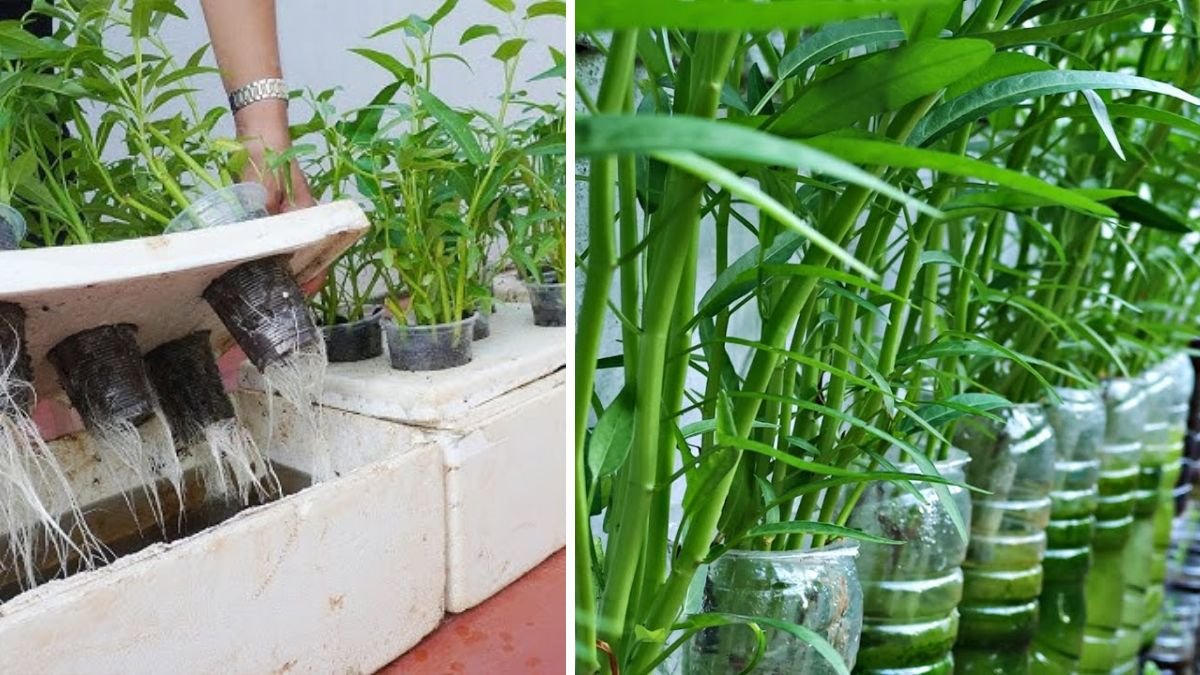
Introduction
Growing your own vegetables at home is no longer just a hobby—it’s a practical response to rising food costs, health awareness, and sustainability concerns. One leafy green gaining popularity among home gardeners is water spinach, also known as Ipomoea aquatica or kangkong. If you’ve been searching for [FOCUS KEYWORD], you’re in the right place.
Water spinach is one of the easiest vegetables to grow, even for beginners. It grows rapidly, requires minimal maintenance, and thrives in water-rich environments that many other plants struggle with. This article will walk you through a simple, proven way to grow your own water spinach, using insights from modern gardening practices and recent research trends.
What Is Water Spinach and Why Is It So Popular?
Water spinach is a semi-aquatic leafy vegetable commonly used in Southeast Asian, Chinese, and South Asian cuisines. It has hollow stems, tender leaves, and a mild, slightly sweet flavor. Beyond its culinary appeal, water spinach is valued for its nutritional benefits, including:
- High levels of vitamins A and C
- Rich iron and calcium content
- Antioxidants that support overall health
Its fast growth rate and adaptability make it a favorite for home gardens, urban farming, and even hydroponic systems. Unlike many vegetables, water spinach can grow directly in water, which dramatically simplifies the growing process.
Why Learn This Simple Way To Grow Your Own Water Spinach?
Many people hesitate to start gardening because they believe it requires expensive tools, large spaces, or advanced knowledge. The truth is, water spinach breaks all those barriers.
This simple growing method works because:
- It mimics the plant’s natural aquatic environment
- It requires minimal soil or no soil at all
- It produces harvestable greens in as little as 2–3 weeks
- It can be grown indoors or outdoors
Whether you live in an apartment, have a small backyard, or want to experiment with hydroponics, water spinach is an excellent starting point.
Choosing the Best Growing Method
Before planting, you need to decide how you want to grow your water spinach. Fortunately, there are two very easy options.
Water or Hydroponic Growing
This is the simplest and most beginner-friendly method.
- Use a container, bucket, or plastic tub
- Fill it with clean water or nutrient solution
- Place water spinach cuttings or seedlings so the roots stay submerged
Because water spinach naturally grows in wetlands, this method encourages rapid root and leaf development. Many home growers report faster growth and cleaner harvests with water-based systems.
Soil or Wet-Bed Growing
If you prefer traditional gardening:
- Use consistently moist or water-logged soil
- Choose a sunny location
- Water frequently to keep soil damp
While soil growing works well, it usually requires more maintenance than hydroponic or water-based methods.
Step-by-Step: Simple Way to Grow Your Own Water Spinach
Step 1: Start With Cuttings or Seeds
Water spinach can be grown from seeds or cuttings, but cuttings are faster and easier.
- Use fresh stems about 20–25 cm long
- Remove lower leaves
- Place stems in water until roots appear (usually within a few days)
Seeds are also effective but may take slightly longer to establish.
Step 2: Prepare the Growing Container
You don’t need fancy equipment. A simple setup works perfectly.
- Container depth: at least 15–20 cm
- Ensure clean water or a mild nutrient solution
- Keep roots submerged but allow stems and leaves to remain above water
If growing indoors, place the container near a window or under grow lights.
Step 3: Provide the Right Light and Temperature
Water spinach loves warmth and light.
- Light: 6–8 hours of sunlight or strong artificial light
- Temperature: ideally between 20–35°C (68–95°F)
In cooler climates, indoor growing is recommended for consistent results.
Step 4: Add Nutrients for Faster Growth
Although water spinach can grow in plain water for short periods, nutrients significantly improve yield.
- Use a balanced liquid fertilizer or hydroponic nutrient mix
- Focus on nitrogen for leafy growth
- Monitor water clarity and change it regularly
Proper nutrition leads to thicker stems and darker green leaves.
How Fast Does Water Spinach Grow?
One of the biggest advantages of water spinach is its speed.
- First harvest: 10–20 days after planting
- Continuous harvesting: every 7–10 days
- Regrowth: rapid after cutting
By cutting stems above the root node, you encourage multiple new shoots, allowing repeated harvests from the same plant.
Common Problems and Easy Solutions
Slow or Stunted Growth
This is usually caused by nutrient deficiency or low light.
Solution:
Increase nitrogen levels and ensure adequate sunlight or grow lighting.
Yellowing Leaves
Often a sign of poor water quality or lack of nutrients.
Solution:
Change the water regularly and add a balanced nutrient solution.
Leaf Spots or Stress Marks
Environmental stress, temperature fluctuations, or poor airflow can cause spotting.
Solution:
Maintain stable temperature, improve airflow, and avoid overcrowding plants.
Health, Environmental, and Research Insights
Recent agricultural research highlights water spinach as a valuable crop not only for home gardening but also for sustainable farming systems. Studies explore its role in:
- Urban hydroponic farming
- Nutrient recycling systems
- Environmental monitoring due to its ability to absorb elements from water
These findings reinforce why water spinach is increasingly recommended for controlled environment agriculture and home food production.
Is Water Spinach Safe and Sustainable to Grow at Home?
Yes—when grown in clean water or properly managed soil, water spinach is safe and highly sustainable. Growing it yourself allows you to control water quality, nutrients, and hygiene, eliminating many of the concerns associated with commercially grown produce.
It’s also water-efficient when grown hydroponically, making it a smart choice for eco-conscious gardeners.
Tips for Maximum Yield
- Harvest regularly to encourage regrowth
- Keep water clean and oxygenated
- Avoid overcrowding plants
- Monitor pH levels if using hydroponics (ideal range: 5.8–6.5)
Small adjustments can dramatically improve both taste and yield.
Conclusion
Learning [FOCUS KEYWORD] is one of the easiest ways to start growing your own food at home. With minimal tools, simple techniques, and fast results, water spinach is perfect for beginners and experienced gardeners alike.
By using water-based or hydroponic methods, providing basic nutrients, and maintaining proper light, you can enjoy fresh, homegrown water spinach year-round. This simple approach not only saves money but also gives you full control over the quality of your food.
If you’re ready to grow something easy, nutritious, and rewarding, water spinach is the perfect place to begin.