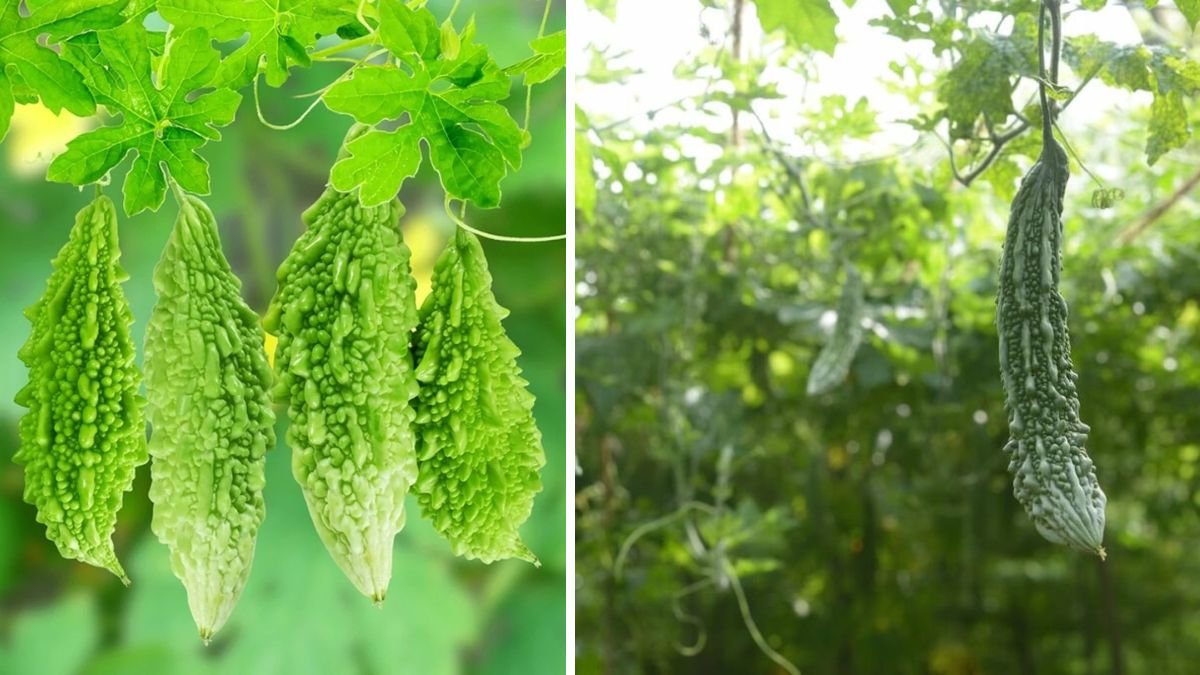
Introduction: Why Everyone Is Talking About Bitter Gourd Cultivation
It’s unbelievable that growing bitter gourd is so easy and produces so much — yet many gardeners and small farmers still overlook this powerhouse vegetable. Bitter gourd, also known as karela (Momordica charantia), is one of the most productive climbing vegetables when grown correctly. With basic care, warm weather, and simple support, the plant rewards growers with continuous harvests over several weeks.
In recent years, interest in bitter gourd cultivation has surged due to rising demand for healthy, medicinal vegetables and the availability of improved hybrid seeds. Whether grown in backyards, pots, terraces, or farms, bitter gourd proves that high yield doesn’t always require complex techniques. This [FOCUS KEYWORD] guide explains why bitter gourd is so easy to grow, how it produces abundantly, and how you can maximize results even as a beginner.
Background: Why Bitter Gourd Is Naturally High-Yielding
Bitter gourd is biologically designed for fast growth and heavy production. As a tropical vine, it thrives in warm temperatures and quickly spreads using tendrils. Once flowering begins, the plant produces both male and female flowers continuously, allowing repeated fruit sets throughout the season.
Recent agricultural developments have further improved its productivity. Hybrid bitter gourd varieties mature faster, resist common diseases, and produce uniform fruits. Many varieties start yielding within 55–60 days, making bitter gourd one of the quickest vegetables to harvest.
Additionally, bitter gourd’s adaptability allows it to grow in open fields, containers, raised beds, and even balconies. This versatility is one of the main reasons people are amazed at how easy bitter gourd cultivation has become.
Climate and Soil Requirements for Easy Growth
One major reason behind bitter gourd’s success is its simple environmental needs.
Ideal Climate
- Warm temperatures between 24°C and 35°C
- Plenty of sunlight (6–8 hours daily)
- Low tolerance for frost or extreme cold
Bitter gourd grows best during spring, summer, and early monsoon seasons. In tropical and subtropical regions, it can be cultivated almost year-round.
Soil Requirements
- Well-drained, loose soil
- Rich in organic matter
- Slightly acidic to neutral pH (6.0–7.0)
Adding compost or well-rotted manure before planting dramatically boosts vine growth and fruit production, reinforcing why [FOCUS KEYWORD] gardening is considered beginner-friendly.
Choosing the Right Bitter Gourd Variety
Selecting the right variety plays a huge role in achieving unbelievable yields.
Popular High-Yield Varieties
- Hybrid F1 bitter gourd – Early maturity and heavy fruiting
- Small-fruited hybrids – Ideal for home gardens and containers
- Disease-tolerant varieties – Reduce losses and maintenance
Modern hybrids are bred specifically for higher productivity, uniform shape, and longer harvesting periods. These varieties explain why many growers report harvesting dozens of fruits from just a few plants.
Step-by-Step Guide: How to Grow Bitter Gourd Easily
1. Seed Sowing
Soak bitter gourd seeds in water for 8–10 hours before planting to improve germination. Sow seeds directly into soil or pots about ½ to 1 inch deep.
Seeds usually germinate within 7–10 days.
2. Spacing and Support
Bitter gourd vines grow aggressively and need space to spread.
- Maintain 1.5–2 feet spacing between plants
- Install trellises, bamboo poles, or netting
Vertical growth improves air circulation, reduces disease, and allows fruits to grow straight — one of the secrets behind high production highlighted in [FOCUS KEYWORD] methods.
3. Watering Schedule
Water regularly, keeping the soil moist but not waterlogged. During flowering and fruiting stages, consistent watering is essential to prevent flower drop and misshapen fruits.
Nutrition and Fertilization for Maximum Yield
Although bitter gourd is easy to grow, feeding it properly unlocks its full potential.
Organic Nutrition Tips
- Apply compost or vermicompost every 15–20 days
- Use liquid organic fertilizers like compost tea
- Add neem cake to prevent soil pests
Balanced nutrition encourages more female flowers, which directly translates to higher fruit yield — another reason growers are amazed by [FOCUS KEYWORD] results.
Flowering, Pollination, and Fruit Formation
Bitter gourd produces separate male and female flowers. Pollination usually happens naturally through bees and insects. However, in low-pollinator areas, hand pollination can significantly increase fruit set.
Hand Pollination Tip
Gently transfer pollen from male flowers to female flowers using a soft brush or cotton swab. This simple step can dramatically increase productivity, especially in container gardening.
Pest and Disease Management Made Simple
Bitter gourd is relatively hardy, but a few pests may appear.
Common Problems
- Fruit flies
- Aphids
- Powdery mildew
Easy Solutions
- Spray neem oil every 7–10 days
- Remove affected leaves early
- Maintain proper airflow using trellises
With preventive care, pest issues remain minimal — reinforcing why bitter gourd cultivation is considered low-maintenance.
Harvesting: The Secret to Continuous Production
Harvesting bitter gourd at the right time encourages the plant to keep producing.
Best Harvest Time
- Fruits should be harvested young and green
- Ideal size: 6–8 inches, depending on variety
Delayed harvesting causes fruits to ripen, signaling the plant to slow down production. Regular harvesting every 2–3 days ensures continuous yield throughout the season — one of the biggest reasons growers call it “unbelievable.”
Why Bitter Gourd Produces So Much
To summarize, bitter gourd produces abundantly because:
- It grows fast and climbs vertically
- It flowers continuously
- Improved hybrids boost yield
- Regular harvesting encourages new fruits
- Minimal care delivers maximum results
Few vegetables offer such a high return with such little effort, making [FOCUS KEYWORD] a popular topic among gardeners and farmers alike.
Health and Market Demand Add Extra Value
Beyond ease of cultivation, bitter gourd is in high demand due to its medicinal benefits. It is widely used for blood sugar management, digestion, and immunity. This steady demand makes bitter gourd not just easy to grow, but also economically rewarding for small-scale farmers.
Suggested Authoritative Sources
For further reading and validation, consider these trusted sources:
- Indian Journal of Horticulture – Bitter gourd cultivation research
- Agrifarming.in – Practical guides for home and pot gardening
- IndiaTimes Gardening – Beginner-friendly growing tips
- KrushiVista & certified seed suppliers – Hybrid variety details
Conclusion
It’s truly unbelievable that growing bitter gourd is so easy and produces so much, yet the results speak for themselves. With the right variety, basic soil preparation, simple support, and regular harvesting, anyone can enjoy abundant yields — whether on a farm, terrace, or backyard.
If you’re looking for a vegetable that delivers fast growth, high productivity, and low effort, bitter gourd stands out as a clear winner. Follow this [FOCUS KEYWORD] guide, and you’ll quickly see why so many growers are amazed by this humble yet powerful vine.