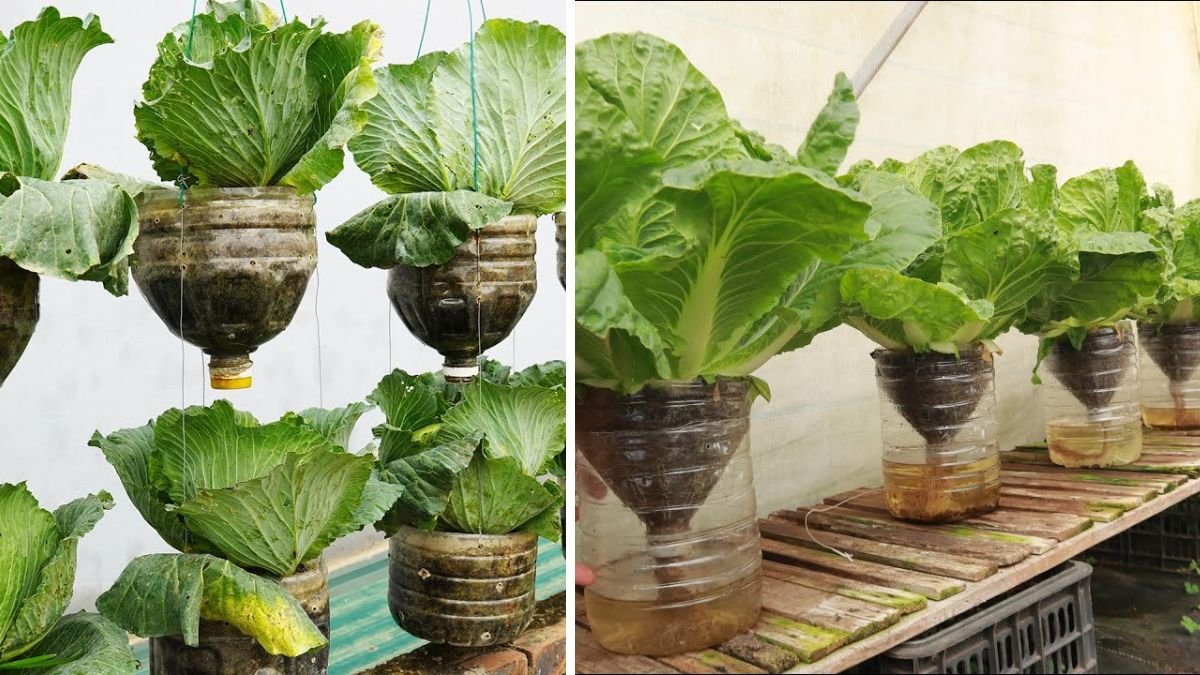

In recent years, home gardening has evolved beyond traditional backyard plots. Across cities and towns, women—especially housewives managing households on limited space and budgets—are discovering innovative ways to grow their own food. One method gaining increasing attention is the Housewives’ dream Cabbage Garden, a simple but powerful idea centered on growing cabbage in plastic containers. This approach turns everyday waste into productive garden tools and allows fresh vegetables to be grown almost anywhere.
This article explores the concept behind [FOCUS KEYWORD], explains how cabbage can be successfully grown in plastic bottles, and highlights why this method is becoming a favorite among urban and small-space gardeners.
The Background: Why Plastic Bottle Cabbage Gardens Are Trending
Urbanization has reduced access to fertile land for many families. Apartments, rented homes, and crowded neighborhoods leave little room for traditional gardening. At the same time, rising food prices and growing concerns about food safety have pushed households to seek alternatives. These challenges have sparked creative solutions, one of which is container gardening using recycled plastic bottles.
Recent agricultural features and DIY gardening communities have shown how cabbage—a crop traditionally grown in open fields—can thrive in plastic containers when given proper care. This technique is especially appealing to housewives because it requires minimal capital, uses readily available materials, and can be managed alongside daily household responsibilities.
The idea behind the Housewives’ dream Cabbage Garden is simple: if you can recycle plastic bottles, fill them with fertile soil, and place them in sunlight, you can grow healthy cabbages right outside your kitchen door.
What Is [FOCUS KEYWORD]?
[FOCUS KEYWORD] refers to the practice of growing cabbage using plastic bottles or similar recycled containers instead of conventional garden beds. These bottles act as mini planting units, holding soil, water, and nutrients needed for cabbage growth.
This method is ideal for:
- Small homes with limited outdoor space
- Balconies, rooftops, corridors, or verandas
- People with no access to farmland
- Beginners who want an easy entry into gardening
By reusing plastic bottles, gardeners also reduce waste, making this approach environmentally friendly as well as economical.
Why Cabbage Is Perfect for Plastic Container Gardening
Cabbage is a hardy vegetable that adapts well to controlled environments. With adequate soil depth, moisture, and sunlight, it grows steadily even in confined spaces. It also offers high nutritional value, providing vitamins, fiber, and antioxidants for household meals.
For housewives managing daily cooking, having fresh cabbage available at home means:
- Reduced grocery expenses
- Guaranteed freshness
- Better control over pesticide use
- Convenience and food security
Because cabbage matures within two to three months, results are visible quickly, which encourages new gardeners to continue.
Materials Needed for a Plastic Bottle Cabbage Garden
Setting up a cabbage garden using plastic containers does not require expensive tools. Most items can be sourced from home or nearby shops.
You will need:
- Large plastic bottles (1.5–2 liters or bigger)
- A sharp knife or scissors
- Fertile soil mixed with compost or organic manure
- Small stones or gravel for drainage
- Cabbage seeds or seedlings
- Water for irrigation
Optional additions include wooden stands, wire for hanging bottles, or shelves for vertical arrangements.
Step-by-Step Guide to Growing Cabbage in Plastic Bottles
Preparing the Bottles
Begin by washing the plastic bottles thoroughly to remove residues. Cut an opening at the top or along the side, depending on whether you plan to place the bottle upright or horizontally. Make small holes at the bottom to allow excess water to drain, preventing root rot.
Add a thin layer of gravel or small stones at the base of the bottle to improve drainage.
Preparing the Soil
Use fertile soil mixed with compost or well-decomposed manure. This combination ensures the cabbage receives enough nutrients for leaf and head formation. Fill the bottle, leaving a few centimeters of space at the top.
Planting the Cabbage
You can plant either seeds or seedlings. Seeds should be sown shallowly and covered lightly with soil. If using seedlings, gently place them in the center of the bottle and firm the soil around the roots.
Each bottle should ideally hold one cabbage plant to allow enough room for growth.
Placement and Sunlight
Cabbage requires about five to six hours of sunlight daily. Place the bottles where they receive morning or late-afternoon sun. Rooftops, balconies, and window sides work well.
If sunlight is too intense, light shading during peak hours can prevent leaf scorching.
Watering and Maintenance
Water the plants regularly to keep the soil moist but not waterlogged. Plastic bottles retain moisture well, so overwatering should be avoided. Always check drainage holes to ensure proper water flow.
As the cabbage grows, remove yellow or damaged leaves to promote healthy development.
Caring for Your Cabbage Plants
Pest Control
Common cabbage pests include caterpillars and aphids. These can be controlled through manual removal or mild organic solutions such as neem water or soap sprays. Regular inspection is key to preventing infestations.
Nutrient Support
Adding compost or liquid organic fertilizer every two weeks helps boost growth. Because container plants rely entirely on the soil provided, nutrient replenishment is important.
Growth Timeline
Most cabbage varieties mature within 60 to 90 days. You will notice leaf expansion first, followed by head formation. Harvest when the head feels firm and compact.
Why This Is a “Dream Garden” for Housewives
The plastic bottle cabbage garden has earned the nickname Housewives’ dream Cabbage Garden for good reason. It aligns perfectly with household routines and responsibilities.
This method:
- Saves money on vegetables
- Requires minimal physical labor
- Can be managed in spare moments
- Encourages sustainable living
- Provides fresh food for the family
It also empowers women by turning simple household waste into a productive food source. Many gardeners report a sense of pride and independence from growing their own vegetables.
Expanding the Garden Beyond Cabbage
Once confident with cabbage, gardeners can expand to other leafy vegetables such as lettuce, spinach, and herbs using the same bottle system. Vertical arrangements allow dozens of plants to grow in very small spaces, creating a mini urban farm.
Combining cabbage with herbs not only maximizes space but also enhances household cooking with fresh ingredients.
The Bigger Picture: Sustainability and Food Security
Beyond personal benefits, [FOCUS KEYWORD] contributes to broader goals of sustainability and food security. Reusing plastic bottles reduces environmental waste, while home gardening reduces reliance on commercially grown vegetables that may involve heavy chemical use.
In times of economic uncertainty, small-scale food production at home provides resilience and stability for families.
Final Thoughts
The concept behind the Housewives’ dream Cabbage Garden proves that gardening does not require land, wealth, or professional skills. With plastic bottles, soil, and a little care, anyone can grow nutritious cabbage at home.
As more households embrace [FOCUS KEYWORD], this simple technique continues to transform balconies, rooftops, and small spaces into productive green havens. It is practical, affordable, and deeply rewarding—making it truly a dream garden for modern homes.