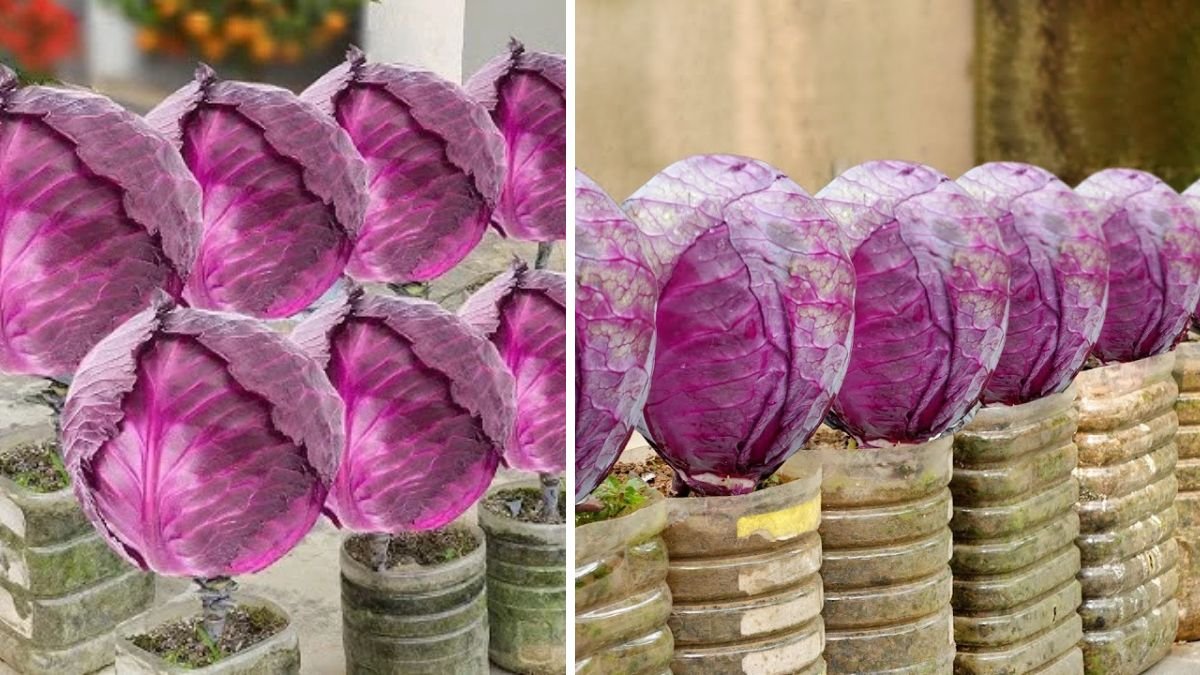

Growing your own vegetables is one of the most rewarding gardening experiences, and few crops are as striking and nutritious as specialty purple cabbage. If you’ve ever wondered how to grow super delicious specialty purple cabbage at home, you’ll be happy to know that this vibrant vegetable is surprisingly beginner-friendly when given the right conditions. With proper soil preparation, consistent care, and smart timing, you can enjoy crisp, flavorful purple cabbage straight from your garden.
Purple cabbage, also known as red cabbage, is prized for its deep violet color, mild peppery sweetness, and impressive nutritional profile. Rich in antioxidants, fiber, and vitamin C, it’s a powerhouse addition to salads, slaws, stir-fries, and fermented dishes. Even better, homegrown purple cabbage often tastes sweeter and fresher than store-bought varieties.
This guide walks you through everything you need to know—from choosing the right variety to harvesting perfectly formed heads—so you can grow truly exceptional purple cabbage at home.
Why Grow Specialty Purple Cabbage at Home?
Specialty purple cabbage stands out not just for its color, but also for its flavor and health benefits. The purple hue comes from anthocyanins, natural compounds known for their antioxidant and anti-inflammatory properties. When grown at home, cabbage develops slowly and naturally, allowing sugars to accumulate and flavors to deepen.
Home gardeners also enjoy greater control over growing methods. You can avoid harsh chemicals, enrich the soil organically, and harvest at peak maturity. Whether you garden in a backyard plot, raised bed, or large container, purple cabbage adapts well with proper planning.
Choosing the Best Purple Cabbage Variety
Selecting the right variety is the first step in learning how to grow super delicious specialty purple cabbage at home. Some varieties mature quickly and are ideal for short growing seasons, while others form dense, storage-friendly heads.
Popular specialty purple cabbage varieties include:
- Red Acre – Compact, reliable, and perfect for small gardens
- Ruby Ball – Sweet flavor and uniform heads
- Red Express – Fast-growing and cold-tolerant
- Mammoth Red Rock – Large heads ideal for storage and fermenting
Choose varieties suited to your climate and available space. Early-maturing types work well in warmer regions, while late-season varieties thrive in cooler conditions.
Preparing the Ideal Soil
Soil quality plays a major role in cabbage flavor and texture. Purple cabbage prefers fertile, well-drained soil with a slightly acidic to neutral pH between 6.0 and 7.0.
Before planting:
- Loosen the soil to a depth of at least 12–15 inches
- Incorporate compost or well-rotted manure to boost nutrients
- Remove stones, weeds, and compacted clumps
Cabbage is a heavy feeder, so nutrient-rich soil is essential. Preparing the bed several weeks in advance allows organic matter to integrate fully, creating a strong foundation for healthy root development.
When and How to Plant Purple Cabbage
Timing is critical when growing cabbage. Purple cabbage thrives in cool temperatures and can be grown as a spring or fall crop.
Starting Seeds Indoors
Start seeds indoors 6–8 weeks before the last expected frost. Sow seeds about ¼ inch deep in seed trays or pots, keeping the soil moist and warm until germination.
Transplanting Seedlings
Once seedlings develop 4–6 true leaves and outdoor temperatures stabilize, harden them off gradually before transplanting. Space plants 18–24 inches apart to allow full head formation.
Direct Sowing
In mild climates, seeds can be sown directly into the garden. Thin seedlings early to prevent overcrowding and competition.
Sunlight and Temperature Requirements
Purple cabbage needs at least 6–8 hours of direct sunlight daily. Full sun encourages strong leaf growth and vibrant color development.
Ideal growing temperatures range between 55°F and 70°F (13°C–21°C). While cabbage tolerates light frost, prolonged heat can cause stress, bitterness, or premature bolting. In warmer climates, planting for a fall harvest often yields the best results.
Watering for Sweet, Tender Heads
Consistent moisture is essential for growing super delicious specialty purple cabbage at home. Uneven watering can lead to tough leaves, cracked heads, or poor flavor.
Watering tips:
- Provide deep watering once or twice per week
- Keep soil evenly moist but never waterlogged
- Use mulch to retain moisture and regulate soil temperature
Mulching with straw, shredded leaves, or compost also helps suppress weeds and maintain steady soil conditions.
Feeding and Fertilization
Purple cabbage is a heavy feeder and benefits from regular nutrient support. Apply a balanced organic fertilizer or vegetable-specific blend at planting time.
During the growing season:
- Side-dress with nitrogen when plants begin vigorous leaf growth
- Avoid over-fertilizing late in the season, which can cause loose heads
Healthy, well-fed plants develop tighter heads and richer color.
Pest and Disease Management
Like other brassicas, purple cabbage can attract common garden pests such as cabbage worms, aphids, and flea beetles.
Preventive strategies include:
- Using row covers during early growth
- Hand-picking pests when possible
- Applying neem oil or organic biological controls
Crop rotation and good garden hygiene reduce the risk of soil-borne diseases like clubroot and black rot. Avoid planting cabbage in the same spot year after year.
Growing Purple Cabbage in Containers
If space is limited, purple cabbage grows well in containers. Choose pots that are at least 12–14 inches deep with good drainage.
Container tips:
- Use high-quality potting mix enriched with compost
- Water more frequently, as containers dry out faster
- Ensure full sun exposure
Compact varieties are especially well-suited for balcony or patio gardening.
Harvesting for Maximum Flavor
Purple cabbage typically matures in 70–100 days, depending on the variety. Harvest when heads feel firm and solid when gently squeezed.
To harvest:
- Use a sharp knife to cut the head at the base
- Leave outer leaves intact to protect the head
- Harvest promptly to prevent splitting
Freshly harvested cabbage has the best texture, sweetness, and color.
Storing and Using Purple Cabbage
After harvesting, purple cabbage can be stored in a cool, humid environment for several weeks. Refrigeration helps preserve crispness and nutrients.
Purple cabbage is incredibly versatile. Enjoy it raw in salads, lightly sautéed, roasted, fermented, or pickled. Cooking gently helps preserve both flavor and color.