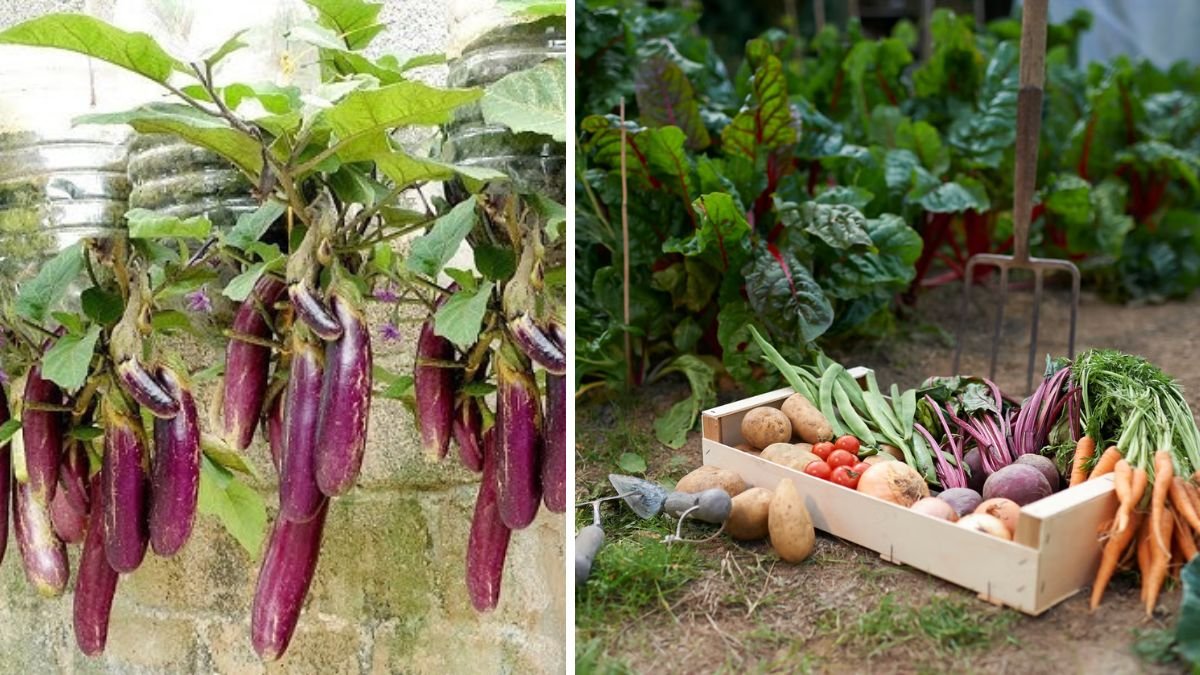

Introduction
Home vegetable gardening is more than a hobby — it’s a way to provide your family with fresh, nutritious food while reducing grocery costs and promoting sustainable living. Even if you have limited space, such as a balcony, terrace, or small backyard, you can cultivate a productive edible garden.
The “king of vegetables” refers to crops that are versatile, nutritious, and high-yielding, such as tomatoes, leafy greens, or root vegetables. These staples are perfect for home cultivation because they are easy to grow, maintain, and harvest, making them ideal for families looking to enjoy healthy, homegrown meals.
With the right planning, containers, and care, you can transform any space into a thriving vegetable garden that supports your family’s nutritional needs year-round.
Why Home Vegetable Gardening Matters
Growing your own vegetables at home provides several important benefits:
1. Fresh and Nutritious Produce
Home-grown vegetables are free from pesticides and preservatives, retaining maximum flavor and nutrients. Fresh greens, tomatoes, and root vegetables provide essential vitamins and minerals for the entire family.
2. Cost Savings
Even a small garden can reduce grocery expenses. Herbs, leafy greens, and commonly used vegetables like tomatoes can be harvested continuously, reducing reliance on store-bought produce.
3. Educational and Rewarding
Gardening teaches children and adults about plant growth, nutrition, and sustainable living. It fosters responsibility and gives a sense of accomplishment when plants thrive and produce food.
4. Environmental Benefits
Home gardens reduce your carbon footprint, support pollinators, and improve local air quality. Growing food locally also decreases transportation energy costs associated with store-bought vegetables.
Understanding the “King of Vegetables”
The “king of vegetables” is a term often used for crops that are versatile, nutritious, and high-yielding. These include:
- Tomatoes: Ideal for sauces, salads, and cooking, they produce large yields and are easy to grow in containers or garden beds.
- Leafy Greens (Spinach, Lettuce, Kale): Fast-growing, nutrient-rich, and perfect for year-round harvests.
- Root Vegetables (Carrots, Beets, Radishes): Easy to cultivate and store, providing essential vitamins.
These vegetables are beginner-friendly and highly productive, making them suitable for families aiming to have a reliable source of homegrown food.
Best Vegetables to Grow at Home
Here are the top vegetables that are easy to grow, productive, and perfect for family gardens:
1. Tomatoes
Tomatoes are often considered the crown jewel of home gardens. Cherry tomatoes and bush varieties do well in containers, making them perfect for small spaces. They need 6–8 hours of sunlight and support with stakes or cages for taller plants.
2. Leafy Greens
Spinach, lettuce, and kale are fast-growing, nutrient-dense, and tolerant of partial shade. They can be harvested continuously, providing a steady supply of fresh greens.
3. Chilies and Peppers
These vegetables are easy to grow in pots or garden soil and thrive in warm weather. They are rich in vitamin C and add flavor to a variety of dishes.
4. Root Vegetables
Carrots, radishes, and beets are excellent for beginners. Radishes, in particular, mature quickly — sometimes in just a few weeks — making them rewarding crops for novice gardeners.
5. Beans and Cucumbers
Bush beans and pole beans grow vigorously and improve soil health through nitrogen fixation. Cucumbers thrive in warm conditions and produce abundant fruit when given vertical support.
Planning Your Home Garden
Proper planning is crucial for a successful garden. Follow these steps:
1. Choose the Right Location
Most vegetables need 6–8 hours of sunlight daily. Select the sunniest spot available, whether it’s a backyard, balcony, or terrace.
2. Use Quality Soil
Vegetables grow best in nutrient-rich, well-draining soil. Incorporate compost or organic matter to improve fertility and structure.
3. Select Suitable Containers
If gardening in small spaces, choose lightweight, well-draining containers. Options include fabric grow bags, plastic pots, or self-watering containers.
4. Plan Plant Spacing
Allow enough space for each plant to grow without overcrowding. Leafy greens can be planted densely, while tomatoes, peppers, and root crops require more space.
Watering and Nutrition
Watering
Young plants need consistent moisture, while established plants benefit from deep, less frequent watering. Hanging or container plants may require more frequent watering due to faster drying.
Fertilization
Use organic fertilizers such as compost tea or liquid seaweed to nourish vegetables. Proper nutrition promotes stronger growth, higher yields, and better flavor.
Pest Control and Plant Care
Even home gardens can face pest problems. Use these natural methods:
- Companion planting (e.g., basil with tomatoes) to repel pests
- Encourage beneficial insects like ladybugs
- Remove yellow or diseased leaves promptly
Regular maintenance, including pruning, weeding, and monitoring soil moisture, ensures healthy and productive plants.
Seasonal Gardening Tips
- Plant leafy greens in cooler months
- Grow tomatoes, peppers, and beans in warm seasons
- Adjust watering and fertilization based on seasonal changes
- Protect plants from extreme weather using shade cloths or temporary covers
Seasonal planning helps maintain continuous harvests and ensures plants thrive throughout the year.
Benefits for Your Family
Homegrown vegetables provide tangible benefits for your family:
- Healthier meals: Fresh vegetables improve nutrition and reduce processed food intake.
- Financial savings: Reducing grocery bills by supplementing store-bought vegetables.
- Educational opportunities: Kids learn about biology, ecology, and sustainability.
- Stress relief: Gardening has therapeutic effects, reducing stress and promoting mental wellness.
Authoritative Sources for Home Gardening
For reliable information and guidance:
- The Old Farmer’s Almanac: Step-by-step guides for easy-to-grow vegetables (almanac.com)
- Homes & Gardens: Advice for beginners on easy vegetables and planting tips (homesandgardens.com)
- NDTV Gardening Guide: Nutritional benefits and easy home cultivation tips (ndtv.com)
- Times of India Gardening Articles: Regional advice for small-space urban gardening (timesofindia.indiatimes.com)
These sources provide practical, science-based advice for beginner and experienced gardeners alike.
Conclusion
Growing the king of vegetables at home doesn’t have to be complicated. With the right vegetables, containers, soil, and care, you can cultivate a productive garden that provides fresh, nutritious food for your family year-round.
Tomatoes, leafy greens, chilies, root vegetables, beans, and cucumbers are all beginner-friendly crops that yield high-quality produce with minimal effort. Proper planning, seasonal care, and natural pest management will help ensure your home garden thrives.
A home vegetable garden is not only a source of food — it’s an investment in health, education, and family well-being. With dedication and consistent care, even a small balcony or backyard can become a lush, productive oasis that nourishes both body and mind.