
Introduction
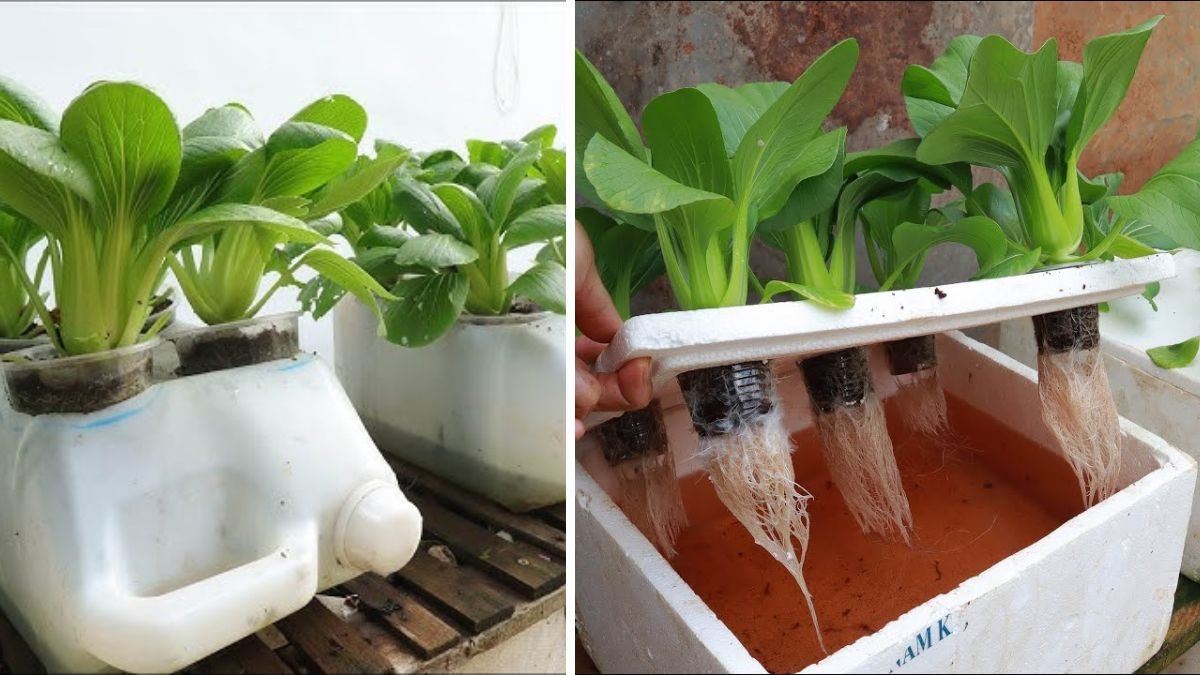
Urban living is changing the way families access fresh food. With rising vegetable prices and limited space, rooftop vegetable gardening has become a practical and sustainable solution. By transforming your terrace into a productive garden, you can provide fresh, healthy vegetables for your family while making the most of unused urban spaces. Recent examples from India show how simple setups can yield enough produce to meet daily family needs, making rooftop gardening both cost-effective and rewarding. (timesofindia.indiatimes.com)
Whether you live in a small apartment or a multi-story home, growing vegetables on the roof can be easy for beginners with the right planning, materials, and care. This guide will show you how to start your rooftop garden, choose the best vegetables, maximize yield, and make it a sustainable part of your family’s routine.
Why Rooftop Vegetable Gardening?
There are several compelling reasons why families are turning their rooftops into productive vegetable gardens:
1. Fresh, Nutritious Food
Homegrown vegetables are fresher and healthier than store-bought alternatives. By growing leafy greens, tomatoes, cucumbers, and herbs on your terrace, you ensure a steady supply of pesticide-free, nutrient-rich produce. In Maharashtra’s Beed district, a professor grew enough vegetables on his rooftop to meet his family’s daily nutritional needs, inspiring other urban gardeners. (kisantak.in)
2. Reduced Food Costs
With food prices increasing, growing vegetables at home can help families save significantly on groceries. In Hubballi, a homemaker replaced frequent market trips by growing coriander, okra, tomatoes, and other staples on her rooftop, cutting household expenses. (timesofindia.indiatimes.com)
3. Food Security
Rooftop gardens enhance food security by providing a reliable source of vegetables even when market supplies are limited or prices rise. Families with rooftop gardens are better prepared for emergencies or seasonal shortages.
4. Environmental and Lifestyle Benefits
Vegetation on rooftops improves air quality, reduces heat absorption, and creates a pleasant microclimate. Rooftop gardens also provide a relaxing green space in dense urban environments, supporting mental well-being.
Government Support and Subsidies
Many state governments encourage rooftop gardening through financial assistance:
- In Bihar, residents can receive up to 75% subsidy for rooftop gardening setups, including containers, raised beds, and irrigation systems. (aajtak.in)
- Other programs provide funding for seeds, compost, and lightweight soil to help families start rooftop gardens without significant upfront costs. (aajtak.in)
Government incentives make rooftop gardening accessible for families looking to reduce grocery costs and improve self-sufficiency.
Choosing the Right Vegetables
Selecting crops that thrive in containers and rooftop conditions is key. Small spaces can still produce abundant vegetables for daily family needs.
Ideal Rooftop Crops
- Leafy Greens: Spinach, fenugreek, coriander
- Fruit Vegetables: Tomatoes, cucumbers, eggplant, okra
- Herbs: Mint, basil, curry leaves
- Root Vegetables: Radish, carrots (in deep containers)
Vegetable kits and vertical towers are great for small terraces, allowing efficient use of limited space. (kisantak.in)
Preparing Your Rooftop for Gardening
Before planting, ensure your rooftop is safe and suitable for gardening:
1. Structural Safety
Check that your roof can support the weight of soil, containers, and water. Use lightweight containers or raised beds to reduce load.
2. Waterproofing and Drainage
Waterproof your terrace to protect the structure and create proper drainage to prevent waterlogging.
3. Sunlight
Most vegetables require 6–8 hours of direct sunlight. Place containers where they will receive optimal light.
4. Soil and Fertilizer
Use a high-quality potting mix combined with compost. Organic fertilizers improve plant health and productivity. Maintaining nutrient-rich soil ensures continuous harvests throughout the growing season.
Watering and Care
Consistent watering is essential for rooftop gardens:
- Water early in the morning to reduce evaporation
- Keep soil evenly moist but avoid waterlogging
- Use drip irrigation or self-watering pots for convenience
- Regularly prune overgrown plants and remove diseased leaves
With these simple steps, your rooftop garden can remain productive with minimal effort.
Pollination and Yield Maximization
Many vegetables, such as tomatoes and cucumbers, require pollination. While bees help outdoors, you can increase fruit set by hand-pollinating flowers using a small brush or cotton swab.
Other tips for maximizing yield include:
- Limiting the number of fruits per vine for larger produce
- Rotating crops to maintain soil health
- Supporting vining plants with trellises or stakes to save space
Following these practices ensures your rooftop garden can provide enough vegetables to feed the family regularly.
Overcoming Common Challenges
Rooftop gardening comes with some obstacles, but they are easy to manage:
Weight and Space Limitations
Lightweight containers, raised beds, and vertical gardening solutions help avoid overloading the roof while maximizing production.
Pest Control
Use natural methods like neem oil or companion planting to control pests without chemicals.
Irrigation
Simple irrigation systems like drip lines or rainwater collection barrels reduce daily maintenance and ensure plants get sufficient water.
Real-Life Success Stories
Urban families across India are successfully growing vegetables on rooftops:
- In Beed, Maharashtra, a professor’s rooftop garden produces enough chemical-free vegetables for his household, demonstrating how terraces can provide daily nutrition. (kisantak.in)
- In Hubballi, homemakers replaced market trips with terrace-grown produce, saving money and ensuring fresh ingredients for their meals. (timesofindia.indiatimes.com)
These stories show that rooftop gardening isn’t just a hobby — it is a practical solution for food security, savings, and healthier living.
Authoritative Sources and Resources
For further guidance and planning:
- Times of India – Rooftop Gardening Benefits: Explains food security, air purification, and urban gardening success. (link)
- Government Rooftop Gardening Schemes: Details on subsidies and support for urban gardeners. (link)
- Kisantak Guides: Tips for container gardening, suitable vegetables, and home-based organic farming. (link)
These resources provide practical tips, latest trends, and step-by-step guidance for anyone starting a rooftop garden.
Conclusion
Rooftop vegetable gardening is a simple, cost-effective, and rewarding way to provide fresh vegetables for the family easily. By choosing the right crops, preparing your roof safely, and following basic care routines, you can enjoy a sustainable source of food, reduce grocery expenses, and create a greener urban environment.
With minimal investment, proper planning, and a little care, rooftop gardening can transform your terrace into a productive space that nourishes your family every day, demonstrating that urban farming can be both practical and enjoyable.