
Why Grow Napa Cabbage at Home?
Napa cabbage (Brassica rapa subsp. pekinensis), also called Chinese cabbage, is a cool-season leafy vegetable prized for its mild flavor, crunchy texture, and versatility in cooking. It’s excellent raw in salads, stir-fried, in soups, or fermented into kimchi. The best part? You don’t need a full garden to grow it successfully. Even a small yard patch or container setup can produce abundant, nutrient-rich heads, making [FOCUS KEYWORD] accessible to gardeners of all levels.
Growing your own napa cabbage at home saves money, ensures fresh, chemical-free produce, and allows you to enjoy vegetables at peak flavor. With the right techniques, even limited spaces like yards, patios, or terraces can yield multiple harvests throughout the season. (bademiya.org)
Benefits of Yard-Grown Napa Cabbage
Napa cabbage is an ideal crop for small spaces and yard gardening. Its benefits include:
- Space Efficiency: Requires shallow roots and moderate spacing, making it perfect for yards, containers, or raised beds. (bademiya.org)
- Fast Growth: Most varieties mature in 60–80 days, allowing for multiple plantings per season. (harvesttotable.com)
- Nutrient Dense: Rich in vitamin C, vitamin K, fiber, and antioxidants, providing excellent nutrition for your family. (bademiya.org)
Even in small urban yards, the yield from a few plants can be enough to supplement weekly meals. Its versatility in cooking makes it a must-grow crop for home gardeners.
Step 1: Choosing the Right Spot
For best results, napa cabbage needs full sun to light shade, with at least 6 hours of sunlight per day. While it can tolerate partial shade, particularly in warmer climates, insufficient sunlight may slow growth or reduce head size.
Tip: Avoid planting near tomatoes or peppers, as they can compete for nutrients and share similar pests. (bhg.com)
Even a small section of your yard can work as long as the soil is fertile, well-drained, and receives adequate sunlight.
Step 2: Preparing Yard Soil
Even without a garden bed, you can grow healthy napa cabbage by preparing your yard soil properly:
- Loosen the soil to a depth of 8–12 inches to allow roots to expand freely.
- Mix in compost or organic matter to enrich nutrient content and improve soil texture.
- Ensure well-draining soil to prevent waterlogging, which can rot roots.
- Maintain a soil pH of 6.0–7.0, slightly acidic to neutral, for optimal growth. (harvesttotable.com)
If yard soil is poor, consider using containers or raised beds filled with quality potting mix.
Step 3: Planting Napa Cabbage
You can grow napa cabbage either from seeds or seedlings. Both methods work well for yard planting.
From Seeds
- Sow seeds ¼ inch deep directly into the prepared soil.
- Space plants 12–18 inches apart, leaving enough room for heads to develop.
- Water gently but consistently. (gardenerguidebook.com)
From Seedlings
- Start seeds indoors or purchase seedlings.
- Transplant when they have 3–4 true leaves, spacing them properly in your yard patch or raised bed. (bademiya.org)
Using seedlings can give you a head start, especially if you want to extend your growing season.
Step 4: Watering and Fertilizing
Watering
Napa cabbage requires consistent moisture. Dry soil can cause bolting (premature flowering), which ruins head formation. Water deeply to encourage healthy root growth, and mulch around the plants to retain soil moisture and reduce weeds. (gardenerspath.com)
Fertilizing
- Apply a balanced fertilizer at planting.
- Once heads begin forming, use a nitrogen-rich feed to support leafy growth.
- Organic options like compost tea, worm castings, or liquid seaweed boost soil health and fertility. (bademiya.org)
Mulching is highly recommended to conserve moisture, regulate soil temperature, and suppress weeds.
Step 5: Growing Without a Traditional Garden
If yard soil is compacted or rocky, you can still grow napa cabbage successfully:
- Raised beds: Fill with quality soil and compost to create an ideal growing environment.
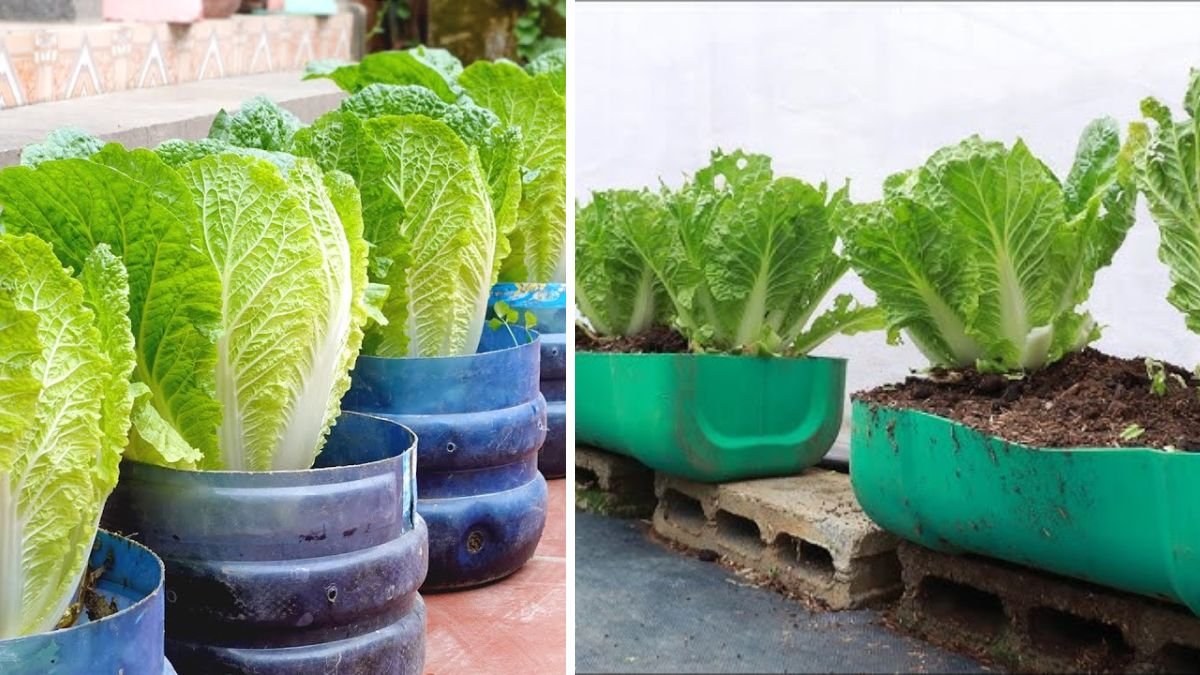
- Containers or grow bags: Large containers of at least 12 inches deep work well for roots. (gardenerguidebook.com)
This flexibility allows you to grow [FOCUS KEYWORD] even in small urban yards or on patios.
Step 6: Pest and Disease Management
Even in a yard setup, pests and diseases can affect napa cabbage:
- Aphids and cabbage worms: Use neem oil or insecticidal soap for control. (bademiya.org)
- Slugs and snails: Barriers like crushed eggshells or diatomaceous earth deter them. (thewoksoflife.com)
- Fungal diseases: Avoid overhead watering and provide adequate spacing for airflow. (gardenerguidebook.com)
Monitoring plants regularly helps prevent infestations and ensures a healthy harvest.
Step 7: Timing and Seasonal Tips
Napa cabbage grows best in cool seasons:
- Plant in early spring or late summer for fall harvest in temperate climates. (harvesttotable.com)
- In cooler regions, start seeds indoors and transplant after frost passes.
- Consider succession planting every 2–3 weeks for a continuous harvest throughout the season. (bademiya.org)
Step 8: Harvesting Napa Cabbage
Most varieties mature in 60–80 days. Signs that heads are ready:
- Firm, compact heads
- Crisp, fully formed leaves
Use a sharp knife to cut the head at its base. You can also harvest outer leaves gradually for a continuous supply of greens. (gardenerguidebook.com)
Culinary Uses
Fresh napa cabbage is versatile:
- Raw in salads and slaws
- Stir-fried with garlic or ginger
- Added to soups and stews
- Fermented into kimchi or sauerkraut
Its mild flavor and crunchy texture make it perfect for a variety of dishes, enhancing both taste and nutrition.
Key Tips for Success
✔ Choose a bright, sunny spot
✔ Prepare soil with compost and loosen it well
✔ Keep soil consistently moist
✔ Use raised beds or containers if yard soil is poor
✔ Monitor for pests and manage naturally
✔ Harvest heads at peak firmness for best flavor
Recommended Authoritative Sources
- Gardeners Path – How to Grow Napa Cabbage: Expert cultivation and care tips. (gardenerspath.com)
- Harvest to Table – Planting times for Napa cabbage: Seasonal guidance for spring and fall. (harvesttotable.com)
- Gardener Guidebook – Growing napa cabbage in small spaces: Practical no-garden growing techniques. (gardenerguidebook.com)
By following this guide to [FOCUS KEYWORD], you can enjoy fresh, healthy napa cabbage straight from your yard — no garden required. With proper site selection, soil preparation, watering, and care, even a small outdoor space can become a reliable source of nutritious greens for your family.