
Introduction
Growing vegetables to provide for your family is easier than many people think. With rising food costs, health-conscious eating, and limited outdoor space in urban environments, more households are discovering the benefits of homegrown produce. Even beginners can cultivate a variety of vegetables with minimal effort, using modern methods like container gardening, vertical setups, or indoor growing systems.
The trend of family-focused vegetable gardening is rising worldwide. Families are finding that a small balcony, terrace, or even kitchen window can yield fresh greens, herbs, and even fruiting vegetables. Beyond cost savings, home gardening promotes healthy eating, reduces reliance on store-bought produce, and provides a meaningful family activity.
Why Home Vegetable Gardening Is Growing in Popularity
Several factors have contributed to the surge in family vegetable gardens:
- Urbanization: Many homes lack traditional garden plots, but creative solutions like pots, raised beds, and vertical gardens solve this problem.
- Health & Wellness: Families are increasingly aware of the benefits of fresh, pesticide-free vegetables.
- Economic Savings: Growing staples at home can reduce monthly grocery bills.
- Sustainability: Composting and growing your own food helps reduce household waste.
- Lifestyle & Education: Gardening teaches children responsibility, biology, and food awareness.
Even households without yards are successfully growing vegetables using innovative approaches. Modern gardening makes it accessible to anyone, regardless of space or experience. (myjournalcourier.com)
Simple Methods to Grow Vegetables at Home
1. Container Gardening
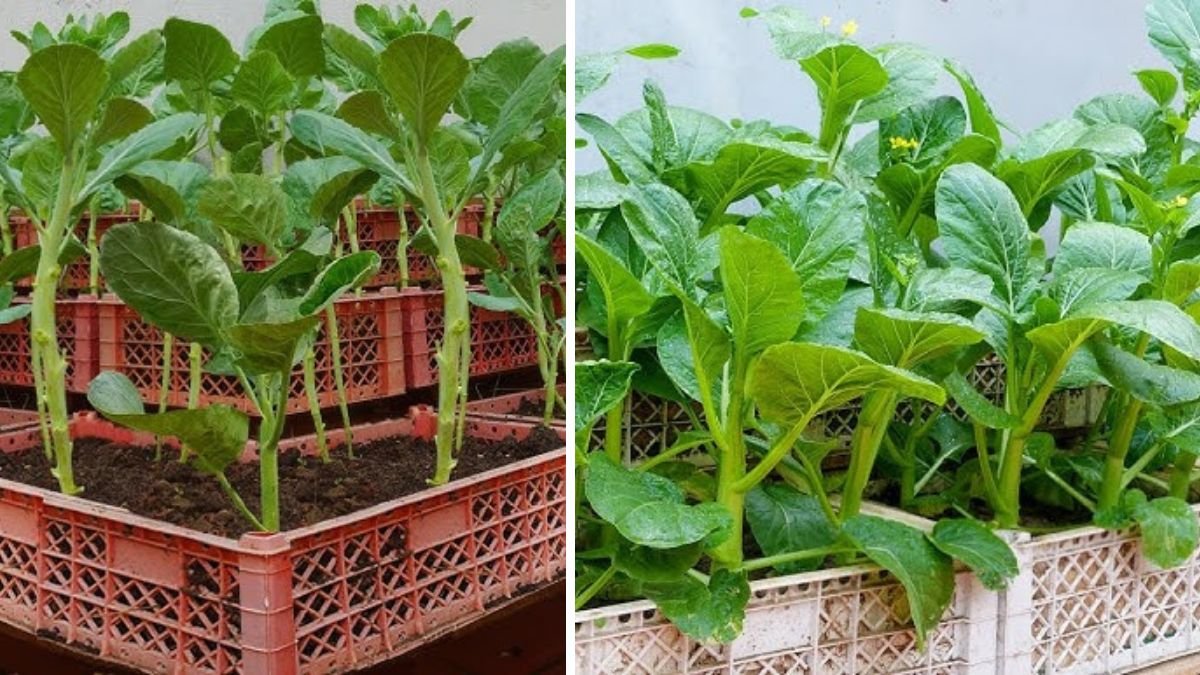
Container gardening is one of the simplest ways to start a family vegetable garden. Using pots, grow bags, or even repurposed buckets, families can grow vegetables on balconies, patios, or terraces. Key benefits include:
- Flexibility to move containers as needed
- Better control over soil quality
- Reduced exposure to pests and weeds
Ideal container vegetables include:
- Leafy greens: Lettuce, spinach, kale
- Root vegetables: Radishes, carrots, beets
- Fruit vegetables: Tomatoes, peppers, cherry tomatoes
- Herbs: Basil, parsley, mint
Container gardening also allows for successive planting, meaning you can harvest some crops while new ones grow, ensuring a steady supply of fresh produce. (timesofindia.indiatimes.com)
2. Indoor Gardening Systems
For homes with limited natural light or no outdoor space, indoor gardening systems are a perfect solution. These systems use LED grow lights, water circulation, and nutrient control to grow vegetables year-round. They are particularly effective for:
- Leafy greens
- Herbs
- Microgreens
- Small fruiting plants like cherry tomatoes
Indoor systems reduce maintenance and allow families to enjoy fresh produce even during winter or rainy seasons. (idealhome.co.uk)
3. Hydroponics and Soilless Growing
Hydroponics, or growing plants without soil, delivers nutrients directly through water. This method is highly efficient, uses less water, and often produces faster growth. Hydroponics can be adapted to indoor spaces, making it ideal for apartments or small homes. Common hydroponic crops include lettuce, herbs, and compact vegetables. (thespruce.com)
Choosing Easy-to-Grow Vegetables for Families
Selecting the right vegetables ensures success, especially for beginners. Some of the most family-friendly crops include:
- Leafy greens: Lettuce, arugula, kale – harvested leaf by leaf for continuous growth
- Root vegetables: Radishes and baby carrots – fast-maturing and easy to grow
- Fruit vegetables: Tomatoes and peppers – rewarding for small spaces
- Herbs: Basil, parsley, thyme – perfect for culinary use
- Microgreens: Broccoli, mustard, peas – ready in 7–14 days
These crops are forgiving, adapt well to containers, and provide frequent harvests to feed the family.
Essential Gardening Tips
Light Requirements
Most vegetables need at least 6–8 hours of sunlight daily. If natural light is limited, full-spectrum LED grow lights can substitute effectively. South-facing windows or balconies are ideal for sun-loving plants. (myjournalcourier.com)
Watering and Soil
Container plants dry out faster than garden plots, so water consistently. Ensure containers have drainage holes to avoid root rot. Enrich soil with compost to provide nutrients, or use liquid fertilizers for indoor systems. (thespruce.com)
Low-Maintenance Techniques
- Use mulch to retain moisture and suppress weeds
- Apply companion planting to deter pests
- Automate watering with simple drip systems
These practices reduce workload while maintaining healthy, productive plants.
Harvesting Tips for Homegrown Vegetables
Proper harvesting encourages continued growth and improves flavor:
- Leafy greens: Pick outer leaves regularly
- Herbs: Trim frequently to encourage bushier growth
- Microgreens: Harvest just above the soil line when true leaves appear
- Fruit vegetables: Pick tomatoes and peppers when fully ripe and firm
Regular harvesting also makes gardening more enjoyable for children and family members.
Benefits of Growing Vegetables for Your Family
The advantages extend beyond the kitchen:
- Freshness and flavor: Homegrown vegetables are picked at peak ripeness
- Nutrition: Higher vitamin and mineral content compared to store-bought produce
- Cost savings: Families save money on grocery bills
- Education: Children learn about biology, food origins, and responsibility
- Well-being: Gardening provides outdoor activity, stress relief, and satisfaction
Latest Trends and Innovations
Recent gardening trends emphasize convenience and sustainability:
- Low-maintenance vegetable gardens: Focused on mulch, automated watering, and pest-resistant plants
- Perennial vegetables: Plants like perennial kale or chives produce multiple harvests without replanting (washingtonpost.com)
- Indoor vertical gardens: Maximize small spaces while growing multiple crops simultaneously
- Regrowing vegetables from scraps: Basil, green onions, and lettuce can be regrown in water, providing a continuous supply
These innovations make vegetable growing accessible for busy families, urban dwellers, and beginners.
Authoritative Sources for Further Reading
- Old Farmer’s Almanac – Easy Vegetables to Grow: almanac.com
- Family Handyman – Vegetable Gardening Tips: familyhandyman.com
- Washington Post – Perennial Vegetable Gardening: washingtonpost.com
- Ideal Home – Low-Maintenance Gardening: idealhome.co.uk
These sources provide trusted guidance, practical advice, and inspiration for growing vegetables at home.
Conclusion
Growing vegetables to provide for your family is easier than ever. With the right crops, simple techniques, and low-maintenance strategies, even small spaces can yield fresh, nutritious produce. Container gardening, indoor systems, and hydroponics allow urban families to enjoy homegrown food year-round.
By embracing modern gardening innovations, families can save money, improve health, and involve children in meaningful, educational activities. Start small, plan wisely, and watch your home transform into a productive, family-friendly vegetable garden—no backyard required.