
Introduction
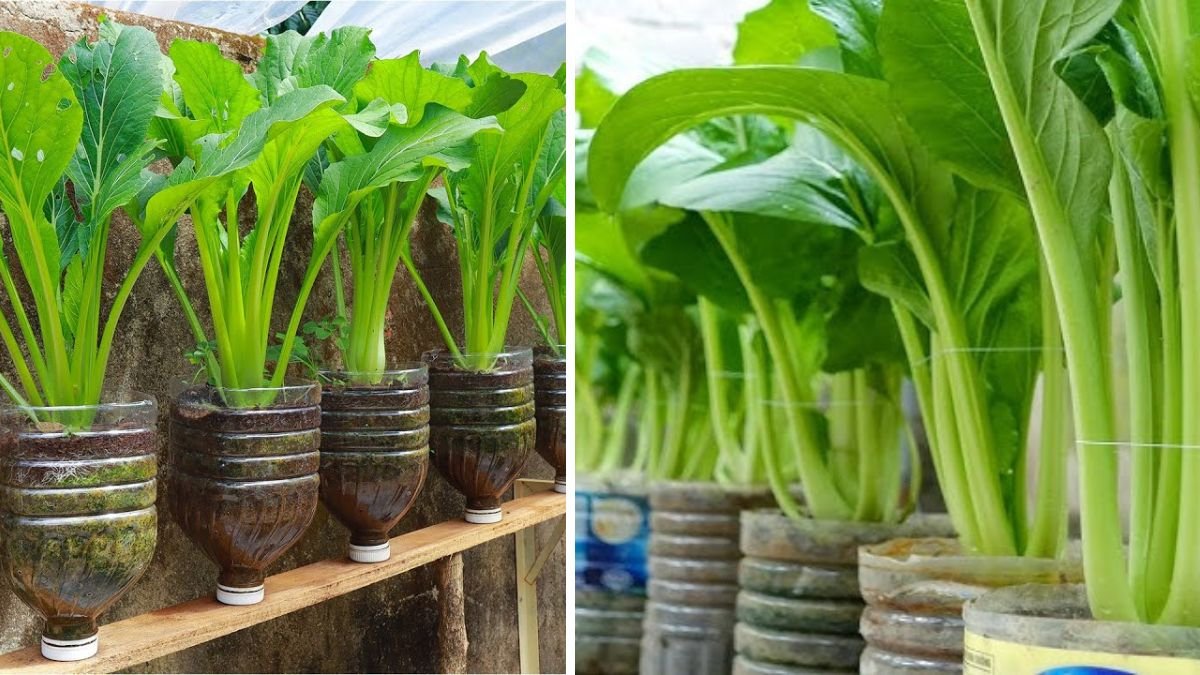
Have you ever seen leaf mustard grown in plastic bottles at home and wondered if it actually works? What may look like a simple DIY experiment has quietly become part of a growing global movement toward sustainable urban gardening. As more people face limited outdoor space, rising food costs, and concerns about environmental waste, creative solutions like plastic bottle gardening are gaining serious attention.
Leaf mustard, also known as mustard greens, is one of the easiest and fastest leafy vegetables to grow at home. When paired with recycled plastic bottles, it becomes an ideal crop for beginners, apartment dwellers, and anyone interested in growing fresh food with minimal cost. This article explores the background of this trend, explains how to grow leaf mustard successfully in plastic bottles, and highlights why this method is practical, sustainable, and increasingly popular.
Background: The Rise of Plastic Bottle Gardening
Urbanization has dramatically reduced access to traditional garden spaces. In response, container gardening has emerged as a practical alternative, allowing people to grow vegetables in pots, trays, buckets, and recycled materials. Among these, plastic bottles stand out because they are cheap, widely available, lightweight, and easy to modify.
Plastic bottle gardening serves two important purposes. First, it helps reduce plastic waste by repurposing bottles that would otherwise end up in landfills or waterways. Second, it enables food production in small or unconventional spaces such as balconies, rooftops, windowsills, stairways, and even kitchen corners.
Leafy greens are especially well suited for this method because they do not require deep soil, large root systems, or long growing periods. Leaf mustard, in particular, thrives in containers and adapts well to different climates, making it a favorite among home gardeners experimenting with recycled containers.
Why Leaf Mustard Is Ideal for Home Growing
Leaf mustard (Brassica juncea) is a leafy vegetable widely consumed in Asian, African, and Mediterranean cuisines. It is valued for its slightly spicy flavor, fast growth cycle, and high nutritional content. These qualities make it exceptionally suitable for small-scale home gardening.
One of the biggest advantages of leaf mustard is its short time to harvest. In favorable conditions, leaves can be harvested within three to five weeks after planting. This quick turnaround encourages beginners, as results are visible in a short time.
Leaf mustard is also resilient. It tolerates cooler temperatures, grows well in partial sunlight, and does not require complex care routines. Compared to fruiting vegetables like tomatoes or peppers, leafy greens like mustard demand less space, fewer nutrients, and less maintenance.
How to Grow Leaf Mustard in Plastic Bottles at Home
Growing leaf mustard in plastic bottles is straightforward and requires only basic materials. With a little preparation, anyone can start this simple home gardening project.
Choosing and Preparing the Bottles
Start by collecting clean plastic bottles, ideally one to two liters in size. These bottles are large enough to support healthy leaf growth while remaining easy to handle. Cut the bottle horizontally or vertically, depending on how you plan to place it. Horizontal cuts work well for windowsills, while vertical cuts are ideal for hanging gardens.
Make several small holes at the bottom of the bottle to allow excess water to drain. Proper drainage is essential to prevent root rot and fungal problems.
Soil and Growing Medium
Use a lightweight, well-draining potting mix rather than heavy garden soil. A good mix typically includes compost, coco peat, and sand or perlite. Compost provides nutrients, while the lighter components help retain moisture without waterlogging the roots.
Fill the bottle with soil, leaving a small gap at the top to prevent water overflow during irrigation.
Planting the Seeds
Sow leaf mustard seeds directly into the soil. Sprinkle them evenly across the surface and cover lightly with a thin layer of soil. The seeds are small, so avoid burying them too deep. Water gently after planting to avoid washing the seeds away.
Within a few days, tiny green shoots will begin to emerge.
Sunlight and Placement
Leaf mustard grows best with four to six hours of sunlight per day. Place the bottles near a sunny window, balcony, or outdoor ledge. If sunlight is limited, partial shade is acceptable, especially in warmer climates.
Rotate the bottles occasionally so all plants receive even light exposure.
Watering and Maintenance
Keep the soil consistently moist but not soaked. Plastic bottles can dry out faster than larger containers, so check moisture levels regularly. Overwatering should be avoided, as stagnant water can damage roots.
No heavy fertilization is needed. A light compost top-up or diluted organic liquid fertilizer every two weeks is sufficient.
Harvesting Leaf Mustard
One of the biggest rewards of growing leaf mustard at home is the ability to harvest fresh leaves as needed. Begin harvesting once the leaves reach about 10 to 15 centimeters in length.
Use clean scissors to cut the outer leaves first, allowing the inner leaves to continue growing. This “cut-and-come-again” method extends the harvest period and maximizes yield from a single bottle.
Freshly harvested leaf mustard can be used in salads, stir-fries, soups, and pickled dishes.
Benefits of Growing Leaf Mustard in Plastic Bottles
Sustainability and Waste Reduction
Reusing plastic bottles helps reduce environmental pollution while promoting responsible consumption. This simple practice turns waste into a valuable resource.
Low Cost and Accessibility
Plastic bottle gardening requires minimal investment. Most materials are readily available at home, making it accessible to people of all income levels.
Perfect for Small Spaces
This method is ideal for apartments, dormitories, and urban homes with limited space. Vertical or hanging bottle gardens further increase growing capacity without occupying floor space.
Fresh, Chemical-Free Food
Home-grown leaf mustard allows complete control over what goes into your food. No synthetic pesticides or harmful chemicals are necessary, resulting in healthier produce.
Educational and Therapeutic Value
Gardening at home promotes mindfulness, reduces stress, and provides educational opportunities for children and beginners learning about plant growth and sustainability.
Common Challenges and Tips for Success
While leaf mustard is easy to grow, a few common issues may arise. Poor drainage is the most frequent problem, so always ensure drainage holes are present. Yellowing leaves may indicate overwatering or nutrient imbalance.
Pests are generally minimal, but occasional aphids can be managed with mild soap sprays or neem oil. Avoid overcrowding seedlings, as proper air circulation helps prevent disease.
Authoritative Sources for Further Reading
For readers who want deeper knowledge, consider referencing agricultural extension services, university gardening programs, and reputable sustainability organizations. These sources provide science-based guidance on container gardening, leafy vegetable cultivation, and urban agriculture.
Conclusion
Growing leaf mustard in plastic bottles at home is a practical, sustainable, and rewarding way to produce fresh food in small spaces. This method combines environmental responsibility with self-sufficiency, making it especially relevant in today’s urban lifestyles.
Whether you are a beginner gardener, an eco-conscious individual, or someone simply curious about homegrown vegetables, plastic bottle gardening offers an easy entry point. With minimal effort and cost, you can enjoy continuous harvests of nutritious leaf mustard while contributing to a greener, more sustainable future.