
Introduction
Not having a garden no longer means giving up on growing your own vegetables. With urban living on the rise and outdoor space becoming increasingly limited, more people are discovering that you can grow vegetables successfully without a traditional garden. Whether you live in an apartment, condo, or a house with no yard, smart gardening methods make it possible to enjoy fresh, homegrown produce year-round.
Using containers, vertical systems, and small-space techniques, anyone can turn balconies, patios, windowsills, or even indoor corners into productive growing areas. This guide explores practical, proven ways to grow vegetables without a garden, helping beginners and experienced growers alike take control of their food supply in limited spaces.
Background: Why Small-Space Vegetable Gardening Is Growing
Urbanization, sustainability concerns, and rising food costs have pushed many people toward home food production. Small-space vegetable gardening has become especially popular because it offers flexibility, affordability, and health benefits. Growing vegetables at home reduces grocery bills, ensures access to fresh produce, and allows gardeners to avoid harmful chemicals often used in commercial farming.
Innovations in gardening tools, lightweight containers, compact plant varieties, and indoor growing systems have also made it easier than ever to grow vegetables without soil beds. Today, you don’t need a backyard—just creativity, sunlight, and a little consistency.
Container Gardening: The Foundation of Garden-Free Growing
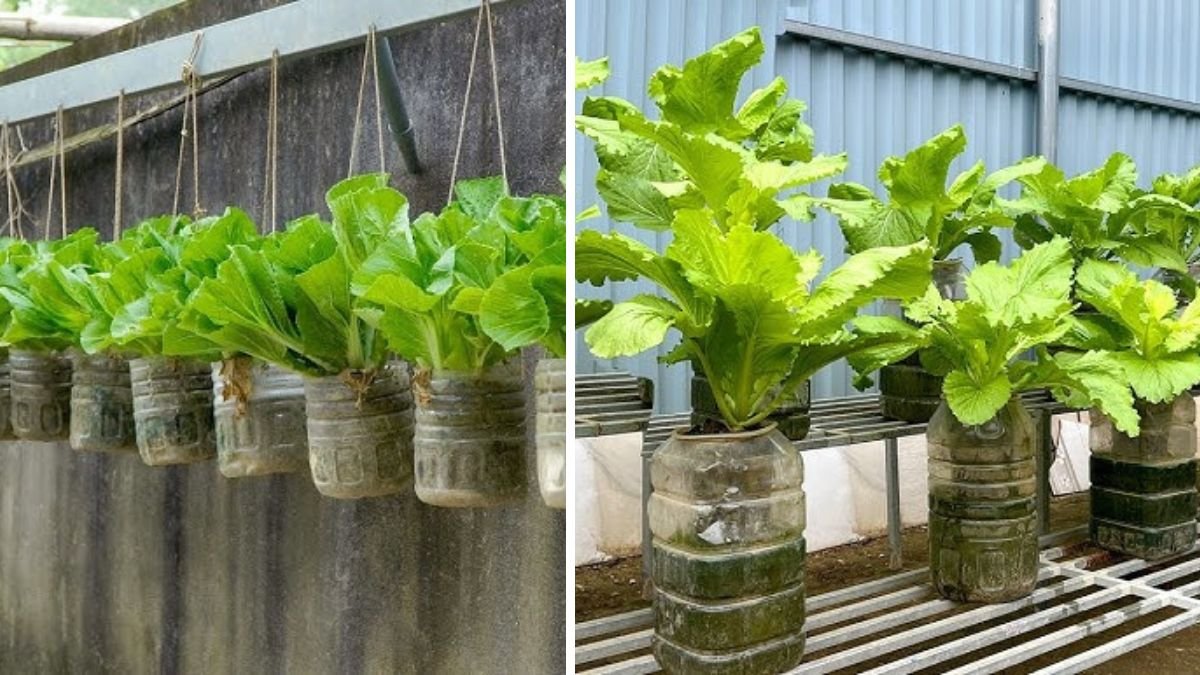
Container gardening is the most accessible way to grow vegetables without a garden. Almost any sturdy container can be transformed into a growing space, including pots, buckets, grow bags, wooden boxes, and recycled household items.
Choosing the Right Containers
The size of the container matters. Shallow containers work well for lettuce, herbs, and spinach, while deeper containers are necessary for tomatoes, peppers, and root vegetables. Always ensure containers have proper drainage holes to prevent water buildup and root rot.
Soil and Nutrition
Use high-quality potting mix rather than garden soil. Potting mix is lighter, drains better, and contains nutrients designed for container plants. Because nutrients wash out faster in containers, regular feeding with compost or organic fertilizer is essential for healthy growth.
Best Vegetables for Containers
Some vegetables thrive particularly well in containers, including:
- Leafy greens like lettuce and spinach
- Cherry tomatoes and patio tomato varieties
- Peppers and chilies
- Radishes and green onions
- Herbs such as basil, parsley, and mint
Container gardening allows you to move plants as needed, giving you control over sunlight, temperature, and protection from harsh weather.
Vertical Gardening: Maximizing Space by Growing Up
When floor space is limited, vertical gardening becomes a game-changer. By growing plants upward instead of outward, you can dramatically increase yield in small areas.
Vertical Gardening Options
Vertical gardening can include wall-mounted planters, stacked pots, hanging baskets, trellises, and shelving systems. These setups work well on balconies, patios, rooftops, and even indoors.
Best Vegetables for Vertical Systems
Climbing and vining vegetables are ideal for vertical growth, including:
- Pole beans
- Peas
- Cucumbers
- Cherry tomatoes
- Squash varieties bred for compact growth
Vertical gardening improves air circulation, reduces disease risk, and often leads to healthier plants due to better sun exposure.
Choosing the Right Vegetables for Small Spaces
Not all vegetables are suitable for garden-free growing, so selecting the right crops is crucial. Compact, fast-growing, and shallow-rooted vegetables perform best in limited spaces.
Top Small-Space Vegetables
- Leafy greens (lettuce, arugula, spinach)
- Herbs (basil, thyme, cilantro, chives)
- Root vegetables (radishes, baby carrots, beets)
- Fruiting plants (peppers, cherry tomatoes, eggplants)
Dwarf or “patio” varieties are specifically bred for containers and small gardens and should always be prioritized.
Sunlight: Making the Most of What You Have
Vegetables typically need at least six hours of sunlight per day, but limited space doesn’t mean limited light. The key is placement and light management.
Smart Light Strategies
South- or west-facing balconies and windows usually receive the most sun. If outdoor light is limited, reflective surfaces such as light-colored walls or mirrors can help bounce light onto plants. Indoors, placing plants near bright windows or supplementing with grow lights can make a significant difference.
Grow lights are especially useful for year-round indoor vegetable growing, allowing you to control light duration and intensity regardless of season.
Watering and Maintenance in Container Gardens
Container plants dry out faster than ground-planted vegetables, making proper watering essential.
Watering Tips
Check soil moisture daily, especially during warm weather. Water thoroughly until excess water drains from the bottom of the container. Avoid shallow watering, which encourages weak root systems.
Self-watering containers are an excellent option for busy gardeners, helping maintain consistent moisture levels and reducing plant stress.
Common Challenges and How to Overcome Them
Growing vegetables without a garden comes with unique challenges, but they are easy to manage with the right approach.
Limited Space
Use vertical setups, multi-tier shelves, and hanging planters to maximize growing area.
Nutrient Deficiency
Regular feeding with compost tea or organic fertilizer keeps plants productive and healthy.
Pests
Container gardens are easier to monitor. Hand-remove pests and use natural solutions such as neem oil or companion planting.
Sustainability and Health Benefits
Growing vegetables without a garden isn’t just convenient—it’s sustainable. Homegrown produce reduces packaging waste, lowers carbon emissions from food transport, and promotes healthier eating habits. Gardening also provides mental health benefits, reducing stress and increasing overall well-being.
Conclusion
Not having a garden should never stop you from growing your own vegetables. With container gardening, vertical systems, and smart plant choices, anyone can enjoy fresh, homegrown produce in even the smallest spaces. From balconies and windowsills to indoor corners, opportunities to grow are everywhere.
By embracing these methods, [FOCUS KEYWORD] becomes more than an idea—it becomes a practical, rewarding lifestyle choice. With a little planning and care, you can transform limited space into a thriving vegetable garden and enjoy the satisfaction of harvesting your own food, no backyard required.