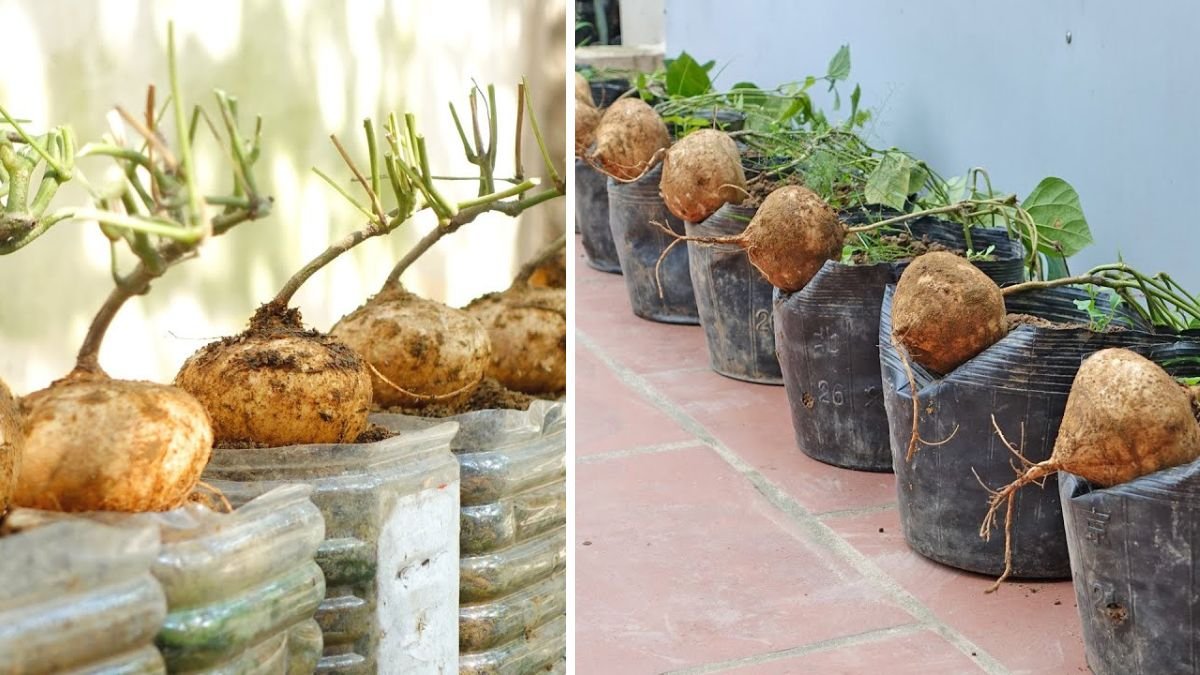

Background: What Is Jicama and Why Grow It at Home?
Jicama (Pachyrhizus erosus) is a warm-season root vegetable native to Mexico and Central America. Known for its crisp texture and mildly sweet flavor, jicama is commonly eaten raw in salads, slaws, and snacks, or lightly cooked in stir-fries. While it is widely available in grocery stores, homegrown jicama is often sweeter, juicier, and larger when grown under ideal conditions.
Growing jicama at home is surprisingly easy if you live in a warm climate or have a long growing season. The plant produces vigorous vines and large underground tubers that can weigh several pounds when properly cared for. With patience and the right growing techniques, even home gardeners can harvest big, sweet jicama tubers that rival or exceed store-bought quality.
This guide explains [FOCUS KEYWORD] step by step, from choosing the right soil to harvesting and storing your crop.
Ideal Climate and Growing Conditions for Jicama
Jicama thrives in warm, frost-free conditions and requires a long growing season to develop large tubers.
Temperature and Climate
Jicama grows best in temperatures between 70–90°F (21–32°C). It is highly sensitive to frost, so planting should only occur after all danger of frost has passed. In cooler regions, gardeners may need to start seeds indoors or grow jicama in containers that can be moved to warmer locations.
Sunlight Requirements
Full sun is essential for strong growth and tuber development. Jicama plants need at least 6–8 hours of direct sunlight daily. Insufficient light can result in excessive vine growth with poor tuber formation.
Soil Preparation for Big, Sweet Tubers
Proper soil preparation is one of the most important factors in growing large, high-quality jicama tubers.
Soil Type
Jicama prefers loose, well-draining soil, ideally sandy loam enriched with organic matter. Heavy clay soils can restrict tuber expansion and lead to misshapen or small roots.
Soil pH
The ideal soil pH range for jicama is 6.0 to 7.0. Slightly acidic to neutral soil allows optimal nutrient uptake and healthy growth.
Soil Amendments
Before planting, incorporate compost or well-rotted organic matter to improve soil structure and fertility. If your soil is compacted, add sand or perlite to improve drainage and aeration. Loose soil allows tubers to grow freely and develop a smooth, round shape.
How to Plant Jicama at Home
Growing Jicama from Seed
Most home gardeners grow jicama from seeds, which are widely available and easy to germinate.
- Soak the seeds in warm water overnight to speed up germination.
- Start seeds indoors 8–10 weeks before the last expected frost if you live in a cooler climate.
- Direct sow outdoors once soil temperatures are consistently warm and frost risk has passed.
- Plant seeds about 1 inch deep, spacing plants 12–18 inches apart, with rows spaced 24–36 inches apart.
Once seedlings emerge, thin them to the strongest plants to ensure adequate space for tuber growth.
Can You Grow Jicama from Tubers?
While technically possible, growing jicama from tubers is less reliable than growing from seed. Seeds generally produce healthier plants and more consistent tuber development.
Watering Practices for Sweet Jicama
Consistent moisture is essential for producing large, juicy tubers.
How Often to Water
Water jicama deeply and regularly, keeping the soil evenly moist but not waterlogged. Deep watering encourages strong root growth and prevents tubers from becoming woody or bitter.
During hot or dry periods, increase watering frequency, but always allow excess water to drain freely. Overwatering can lead to root rot and reduced yields.
Fertilizing for Maximum Tuber Size
Fertilization plays a major role in determining tuber size and sweetness.
Best Fertilizer for Jicama
Use a fertilizer low in nitrogen and higher in phosphorus and potassium. Excess nitrogen promotes leafy vine growth at the expense of tuber development.
Apply a balanced or root-crop fertilizer at planting time, then reapply every 4–6 weeks during the growing season. Organic fertilizers such as compost tea or well-balanced granular fertilizers work well for home gardens.
Supporting and Managing Jicama Vines
Jicama plants produce long, vigorous vines that can reach 15–20 feet in length.
Trellising
Providing a trellis or strong support system helps keep vines off the ground, improves airflow, and prevents overcrowding. Vertical growth also makes garden maintenance easier and reduces disease pressure.
Flower Management
Jicama plants produce flowers and seed pods, but allowing excessive flowering can divert energy away from tuber development. Removing flowers can help focus the plant’s energy on producing larger roots.
Growing Time and Seasonal Care
Jicama is a long-season crop that requires patience.
- Growing period: 5 to 9 months, depending on climate
- Warm-season care: Maintain consistent watering and fertilization
- Late season: Reduce watering slightly as vines begin to yellow and die back
Protect plants from early cold weather if tubers have not fully matured.
When and How to Harvest Jicama
Signs of Maturity
Jicama tubers are ready to harvest when vines begin to yellow and die back naturally. This typically occurs late in the growing season.
Harvesting Technique
- Loosen the soil carefully with a garden fork or spade.
- Gently lift tubers to avoid bruising or cutting them.
- Shake off excess soil without washing immediately.
Large tubers can weigh several pounds if grown under ideal conditions.
Curing and Storing Jicama
Curing
Allow harvested tubers to cure for several days in a warm, shaded, and well-ventilated area. This helps toughen the skin and improves storage life.
Storage Conditions
Store unwashed jicama in a cool, dry place at temperatures between 55–60°F (13–16°C). Avoid refrigeration if possible, as cold temperatures can negatively affect texture and flavor.
Properly stored jicama can last several weeks.
Common Growing Tips for Bigger, Sweeter Tubers
- Plant only after soil has fully warmed
- Use loose, fertile soil with good drainage
- Provide full sun and consistent moisture
- Avoid excess nitrogen fertilizer
- Support vines with a trellis
- Harvest before frost damage occurs
Following these tips significantly increases the chances of harvesting large, sweet, high-quality tubers.
Conclusion
Learning [FOCUS KEYWORD] is a rewarding experience for home gardeners who enjoy growing unique and nutritious crops. With warm temperatures, proper soil preparation, consistent watering, and balanced fertilization, jicama can produce impressive yields of crisp, sweet tubers. Although the growing season is long, the results are well worth the wait. By following this guide, you can confidently grow jicama at home and enjoy fresh, flavorful tubers straight from your garden.