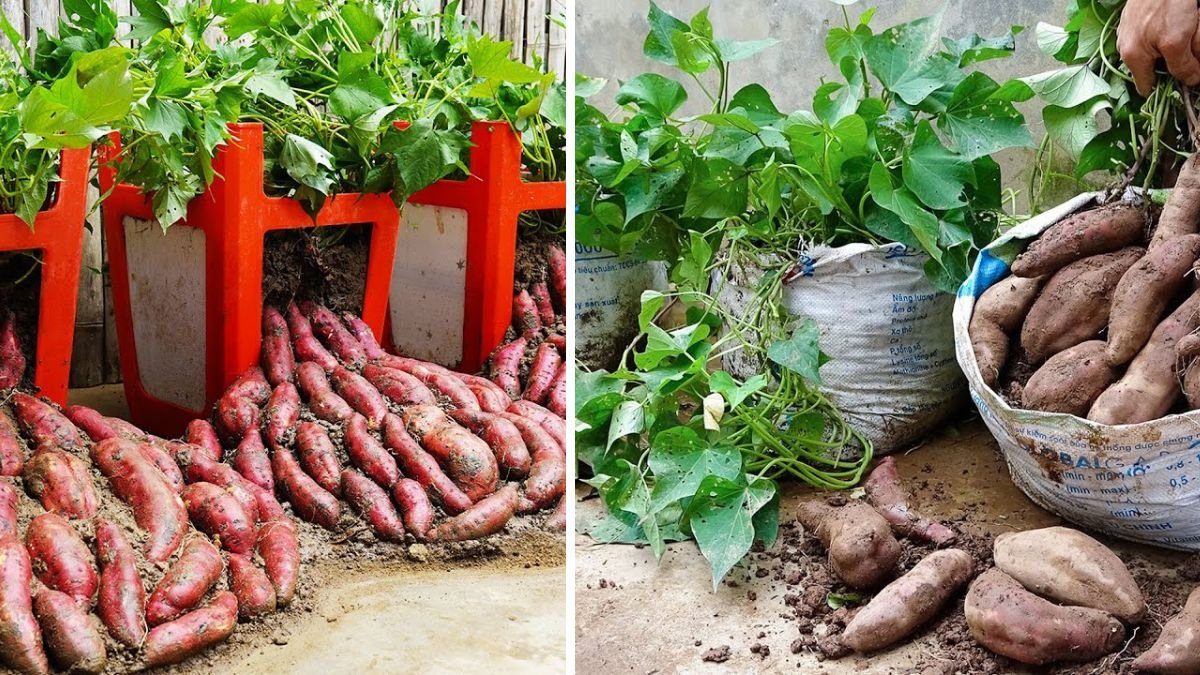
Background Context: Why Sweet Potatoes Are Perfect for Home Gardeners
Sweet potatoes are one of the most rewarding root crops you can grow at home. They are nutritious, versatile in the kitchen, and surprisingly easy to cultivate with the right approach. Unlike regular potatoes, sweet potatoes thrive in warm conditions, tolerate some drought, and can be grown in garden beds, raised beds, or even large containers.
Recent gardening guides and horticultural experts emphasize that the key to harvesting lots of sweet potato tubers is not complicated techniques, but proper preparation, spacing, and restraint—especially when it comes to fertilizing. With a little planning and patience, even beginner gardeners can enjoy a generous harvest of smooth, well-formed sweet potatoes.
This guide explains [FOCUS KEYWORD] step by step, focusing on simple methods that maximize tuber size and yield while keeping maintenance low.
Understanding How Sweet Potatoes Grow
Sweet potatoes are not grown from seeds. Instead, they are grown from slips, which are young shoots sprouted from mature sweet potatoes. Once planted, the slips develop vines above ground and storage roots (tubers) below ground.
One important thing to understand is that sweet potatoes naturally put a lot of energy into vine growth. If conditions are not right, you may end up with beautiful vines but very few tubers. The goal is to guide the plant’s energy underground, where the edible roots form.
Choosing the Right Sweet Potato Slips
For best results, always start with healthy slips rather than grocery-store potatoes treated to prevent sprouting.
You can either:
- Buy certified slips from a nursery or garden supplier, or
- Grow your own slips by sprouting an untreated sweet potato in warm, moist conditions
To grow your own slips, place a sweet potato in a warm area and keep it slightly moist. Shoots will appear in a few weeks. Once the shoots are 6–8 inches long, gently twist them off and root them in water or moist potting mix before planting.
Healthy slips lead to stronger root systems, which directly affects tuber production.
Preparing the Best Soil for Lots of Tubers
Soil quality is one of the most important factors in growing sweet potatoes successfully.
Sweet potatoes prefer:
- Loose, well-drained soil
- Slightly sandy or loamy texture
- Soil rich in organic matter
Heavy or compacted soil restricts root expansion, resulting in small or misshapen tubers. If your garden soil is dense, raised beds are an excellent solution.
Before planting:
- Loosen the soil at least 10–12 inches deep
- Mix in compost or well-rotted manure
- Avoid fresh manure, which can cause excessive vine growth
Sweet potatoes perform best in soil that drains well but still retains some moisture. Good soil structure allows tubers to expand freely and evenly.
Planting Sweet Potatoes Correctly
Timing matters. Sweet potatoes should only be planted after all danger of frost has passed and when soil temperatures are consistently warm.
Planting steps:
- Create shallow mounds or raised rows for better drainage
- Space slips 12–18 inches apart
- Keep rows about 3–4 feet apart
- Bury the slip so the lower half is underground and leaves remain above soil
Proper spacing is critical. When plants are crowded, they compete for nutrients and space, which reduces tuber size. Giving them room encourages fewer but larger and better-shaped sweet potatoes.
Sunlight and Temperature Requirements
Sweet potatoes love warmth and sunshine. For maximum tuber development, they need:
- Full sun (at least 6–8 hours per day)
- Warm soil and air temperatures
In cooler climates, growing sweet potatoes in containers or grow bags placed in sunny locations can significantly improve results. Containers also allow better control over soil quality and drainage.
The warmer the growing season, the better your harvest will be.
Watering Sweet Potatoes the Right Way
Watering is where many gardeners go wrong.
During the first few weeks after planting:
- Water regularly to help slips establish roots
Once established:
- Water deeply but less frequently
- Aim for about 1 inch of water per week
Overwatering causes lush vines but poor tuber development and can lead to rot. As harvest time approaches, gradually reduce watering. Slightly drier soil encourages the plant to focus on tuber growth rather than foliage.
Mulching around plants helps retain moisture, regulate soil temperature, and suppress weeds.
Fertilizing for Bigger Sweet Potatoes
Sweet potatoes do not need heavy feeding. In fact, too much fertilizer—especially nitrogen—results in excessive vines and very few tubers.
Best fertilizing practices:
- Use compost at planting time
- Apply a low-nitrogen, balanced fertilizer if needed
- Focus on potassium and phosphorus rather than nitrogen
Bone meal, wood ash (used sparingly), or organic root-crop fertilizers help improve tuber size and quality. Avoid frequent feeding once vines are established.
Managing Vines Without Hurting Yield
Sweet potato vines grow vigorously and spread quickly. While it may be tempting to prune or redirect them, excessive handling can reduce yields.
Tips:
- Let vines spread naturally
- Avoid burying nodes unnecessarily, as this can create extra roots that compete with main tubers
- Keep vines healthy but undisturbed
Healthy vines are important, but tubers form best when the plant is not stressed or constantly manipulated.
Harvesting Sweet Potatoes for Maximum Yield
Sweet potatoes are typically ready to harvest 90–120 days after planting.
Signs they are ready:
- Vines begin to yellow or die back
- Growth slows significantly
Harvest carefully using a garden fork or hands to avoid damaging the tubers. Sweet potatoes have thin skins and bruise easily.
After harvesting:
- Do not wash immediately
- Let tubers cure in a warm, dry place for 1–2 weeks
Curing improves sweetness, flavor, and storage life.
Storage Tips for Long-Lasting Sweet Potatoes
Once cured:
- Store in a cool, dry, well-ventilated area
- Avoid refrigeration
- Keep away from direct sunlight
Properly cured sweet potatoes can last for several months when stored correctly.
Final Thoughts
Learning [FOCUS KEYWORD] doesn’t require advanced gardening skills—just an understanding of what sweet potatoes need most: warmth, space, loose soil, and moderation. By focusing on soil preparation, correct spacing, controlled watering, and minimal fertilization, you can grow sweet potatoes at home with lots of healthy, delicious tubers.
Whether you’re planting in a backyard garden, raised bed, or container, sweet potatoes are one of the most satisfying crops to grow—and the harvest is well worth the wait.