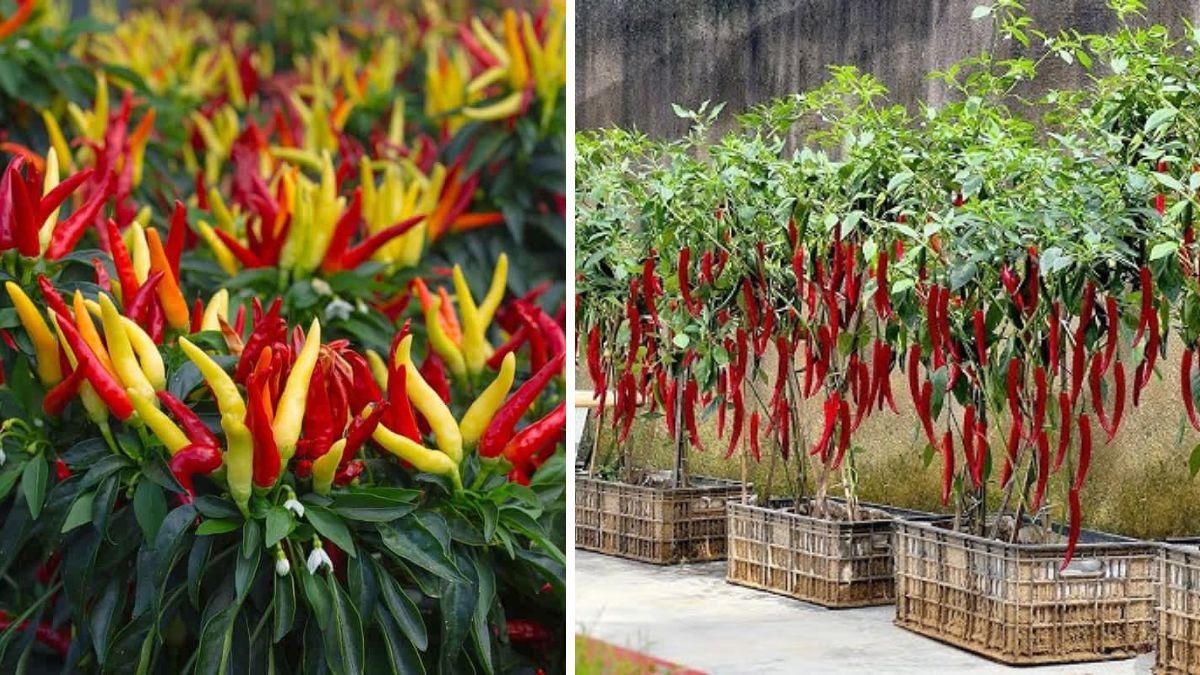
Chili peppers are among the most rewarding plants to grow, yet many gardeners struggle with low yields, flower drop, or plants that look healthy but produce very few fruits. Recently, an online trend titled “Amazing Idea | The way I have used to make chili peppers produce many fruits” caught the attention of growers worldwide. While the original idea sparked curiosity, it also opened the door to deeper discussion about what truly makes chili pepper plants more productive.
In this article, I’ll break down how chili peppers can be encouraged to produce significantly more fruit by combining practical gardening experience with science-backed techniques. Using [FOCUS KEYWORD] as the core strategy, this guide provides a clear, realistic, and repeatable approach suitable for home gardeners and small-scale growers alike.
Understanding Chili Pepper Growth and Fruit Production
Before applying any method to increase yield, it’s important to understand how chili pepper plants grow. Chili peppers belong to the Capsicum genus and go through four main stages: germination, vegetative growth, flowering, and fruiting. Each stage has specific needs, and mistakes at any point can limit final production.
Fruit production depends heavily on:
- Healthy root development
- Balanced nutrients
- Successful pollination
- Stable environmental conditions
The “amazing idea” concept works not because of one single trick, but because it aligns plant care with these biological requirements. When chili plants feel “safe” and well-supported, they naturally respond by producing more flowers and holding onto more fruit.
The Role of [FOCUS KEYWORD] in Increasing Chili Pepper Yield
At the heart of this approach is [FOCUS KEYWORD], which focuses on optimizing plant energy allocation. Many chili plants waste energy on excessive leaf growth, weak branches, or stress responses instead of fruit formation. The key is guiding the plant’s resources toward flowering and fruiting at the right time.
This is achieved through:
- Proper nutrient timing
- Controlled pruning
- Smart watering
- Environmental management
Rather than forcing growth, [FOCUS KEYWORD] works with the plant’s natural behavior.
Nutrient Management: Feeding for Fruits, Not Just Leaves
One of the biggest reasons chili plants fail to produce many fruits is improper fertilization. Too much nitrogen encourages lush green leaves but suppresses flowering. Too little nutrition leads to weak plants and flower drop.
Best Nutrient Strategy
- Early growth: Balanced fertilizer to support roots and foliage
- Flowering stage: Higher phosphorus to promote blooms
- Fruiting stage: Increased potassium for fruit development and size
Calcium and magnesium also play a vital role. Calcium prevents blossom end rot, while magnesium supports photosynthesis. Organic options such as compost, bone meal, wood ash, and crushed eggshells work well when applied correctly.
By aligning fertilization with growth stages, [FOCUS KEYWORD] ensures nutrients are used efficiently instead of wasted.
Watering Techniques That Encourage More Fruit
Water stress is one of the most common causes of flower drop in chili peppers. Both underwatering and overwatering can reduce yield dramatically.
Effective Watering Practices
- Water deeply but less frequently
- Keep soil consistently moist, not soggy
- Avoid letting plants dry out during flowering
Drip irrigation or slow watering at the base of the plant helps maintain even moisture levels. When water availability is stable, chili plants retain more flowers and set more fruit.
Consistent watering is a cornerstone of [FOCUS KEYWORD] because it reduces stress, allowing plants to focus on reproduction rather than survival.
Pruning and Plant Structure: Less Can Mean More
It may seem counterintuitive, but selective pruning can significantly increase chili pepper production. Plants with overcrowded branches often produce fewer fruits due to poor airflow and light penetration.
Smart Pruning Tips
- Remove weak or diseased branches
- Trim excess inner growth to improve airflow
- Pinch early flowers to encourage stronger future blooms
Pruning redirects energy toward healthy branches and productive flowers. It also reduces the risk of fungal diseases, which can damage blossoms and young fruit.
When used correctly, pruning becomes a powerful tool within the [FOCUS KEYWORD] method.
Microclimate Management: Controlling Heat and Light
Chili peppers love warmth, but extreme heat can cause flowers to drop before fruit forms. Managing the plant’s microclimate can make a noticeable difference in yield.
Environmental Optimization
- Use shade cloth during extreme heat
- Protect plants from strong winds
- Ensure adequate spacing for airflow
In very hot regions, partial shade during midday can increase fruit set by reducing heat stress. In cooler climates, reflective mulch or black plastic can help maintain soil warmth.
By fine-tuning light, temperature, and airflow, [FOCUS KEYWORD] helps plants stay productive even in challenging conditions.
Pollination: Helping Flowers Turn into Fruit
Chili peppers are mostly self-pollinating, but they still benefit from movement. Lack of pollination leads to flowers falling off without producing fruit.
How to Improve Pollination
- Gently shake plants during flowering
- Encourage beneficial insects
- Improve airflow around flowers
Indoor or greenhouse growers may need to manually assist pollination. A simple shake every few days can significantly increase fruit set.
Pollination support is often overlooked, yet it’s a simple and effective part of the [FOCUS KEYWORD] strategy.
Variety Selection Matters More Than You Think
Not all chili pepper varieties are created equal. Some are bred for heat, others for size, and some specifically for high yield.
High-yielding varieties combined with proper care can outperform low-yield varieties even under the same conditions. When choosing seeds or seedlings, look for cultivars known for productivity and disease resistance.
Matching the right variety with [FOCUS KEYWORD] principles multiplies results rather than relying on technique alone.
The “Amazing Idea” Explained in Practical Terms
The viral “amazing idea” gained attention because it showed visible results rather than complex theory. What it really demonstrated was consistency and observation — adjusting care based on how the plant responds.
Instead of chasing shortcuts, successful chili growers:
- Observe plant behavior
- Adjust nutrients and water gradually
- Reduce stress wherever possible
This mindset aligns perfectly with [FOCUS KEYWORD], which prioritizes understanding the plant rather than forcing growth.
Common Mistakes That Reduce Chili Pepper Yield
Even experienced gardeners make mistakes that limit production. Avoid these common issues:
- Excess nitrogen fertilizer
- Irregular watering
- Ignoring pruning
- Crowded planting
- Allowing heat stress during flowering
Correcting just one or two of these problems can dramatically increase fruit output.
Conclusion: Turning Healthy Plants into Heavy Producers
Making chili peppers produce more fruit isn’t about one miracle trick — it’s about aligning care with plant biology. By applying [FOCUS KEYWORD], growers can guide energy toward flowering and fruiting rather than wasted growth.
The most successful chili plants are those that experience:
- Balanced nutrition
- Consistent water
- Proper pruning
- Stable environmental conditions
When these elements work together, chili peppers respond exactly as nature intended — by producing abundant, flavorful fruits.
Whether you’re growing peppers in containers, gardens, or small farms, this approach can help you turn ordinary plants into exceptional producers.