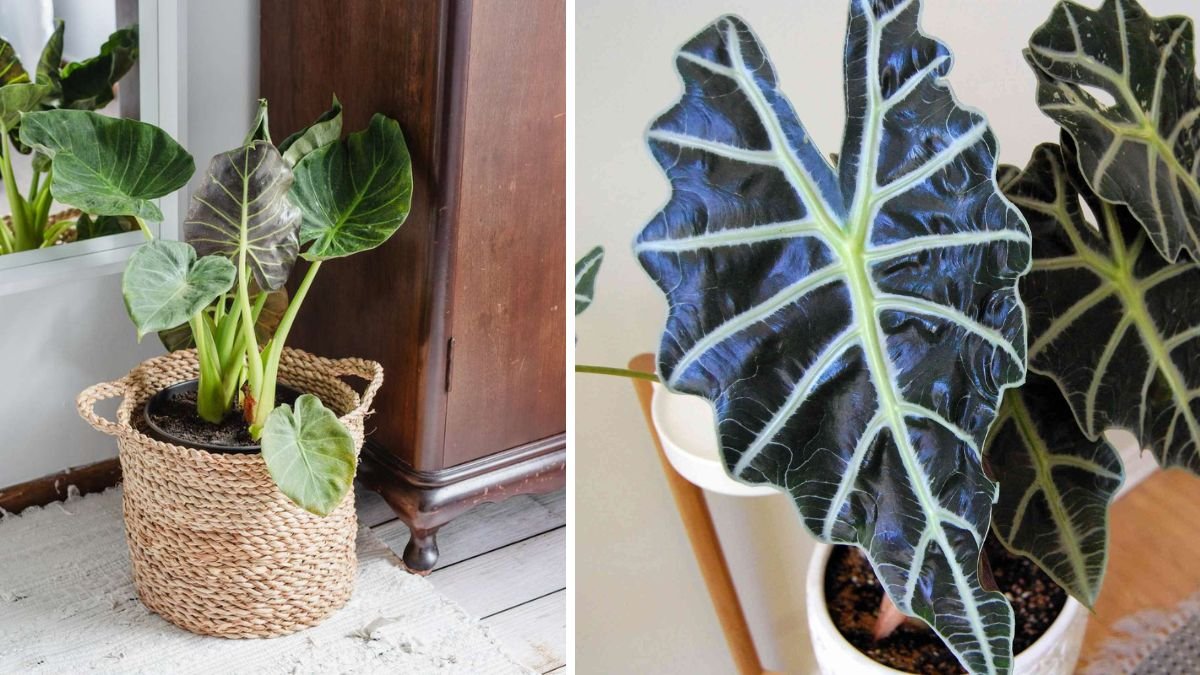

Introduction: Why Grow Super Giant Alocasia Odora?
If you’re a plant enthusiast or a beginner looking to add a bold, tropical statement to your home, the Super Giant Alocasia Odora is perfect. Known for its towering size and stunning elephant-ear-shaped leaves, this plant brings a lush, tropical feel indoors. Despite its dramatic appearance, even beginners can successfully grow it with the right knowledge and care.
Alocasia Odora, sometimes called “Night-Scented Elephant Ear” due to its fragrant flowers, is native to Southeast Asia. It thrives in humid, warm environments and grows rapidly when conditions are right. With proper care, it can reach impressive heights, making it a centerpiece in your living space. In this guide, we’ll cover all the essential care tips to help beginners grow a thriving Super Giant Alocasia Odora at home.
Understanding Alocasia Odora
Belonging to the Araceae family, Alocasia Odora is prized for its large, upright leaves and striking tropical appearance. Its leaves can grow several feet long, and the plant itself can reach heights of up to 6–8 feet under optimal conditions. Its dramatic foliage and easy adaptability indoors make it a favorite among plant lovers.
Despite its reputation as a tropical plant, Alocasia Odora can thrive indoors when provided with consistent lighting, proper watering, and attention to humidity. Understanding its natural habitat helps replicate the ideal conditions for healthy growth.
Light Requirements
Proper lighting is crucial for a Super Giant Alocasia Odora. The plant prefers bright, indirect light. East- or north-facing windows work well, offering bright morning sun without the risk of scorching its leaves. Avoid prolonged exposure to direct afternoon sunlight, which can damage its delicate foliage.
If natural light is limited, you can supplement with a grow light. Consistent, moderate light encourages vibrant green leaves and sturdy stems, while insufficient light may cause slow growth or leggy stems.
Watering and Humidity
Watering
One of the most common challenges for beginners is watering correctly. Alocasia Odora likes evenly moist soil but is highly sensitive to overwatering, which can cause root rot. Check the soil regularly and allow the top 1–2 inches to dry slightly between watering. During its dormant period in winter, reduce watering to prevent soggy soil.
Humidity
As a tropical species, this plant thrives in high humidity, ideally 60–80%. Indoor environments, especially during winter, often have low humidity. To boost moisture, consider using:
- A humidifier nearby
- A pebble tray with water
- Regular leaf misting
Maintaining consistent humidity will prevent brown leaf edges and ensure lush growth.
Soil and Potting Best Practices
Alocasia Odora requires well-draining, nutrient-rich soil. A chunky mix combining coco coir, perlite, orchid bark, and potting soil works best. This combination provides airflow, retains moisture without waterlogging, and supports the large roots.
Repot your plant every 1–2 years to refresh nutrients and accommodate growth. Always use a pot with drainage holes to prevent standing water at the roots.
Temperature Needs
Alocasia Odora prefers warm, stable temperatures, ideally between 65–85°F (18–29°C). Cold drafts, sudden temperature fluctuations, or exposure to temperatures below 59°F (15°C) can stress the plant and slow growth.
For homes in cooler climates, place your Alocasia away from drafty windows or doors and consider using a small space heater in the room during winter months to maintain a tropical environment.
Fertilizing and Growth
Feed your Alocasia Odora during the active growing season—spring and summer—with a balanced liquid fertilizer diluted to half strength. Fertilize every 3–4 weeks to provide essential nutrients for leaf and root development.
Avoid fertilizing in winter when the plant’s growth naturally slows. Overfertilizing can harm the roots and leave a white residue on leaves. Regular fertilization combined with proper watering and lighting ensures rapid, healthy growth.
Common Problems and How to Fix Them
Even beginners may face a few challenges with Alocasia Odora. Here are common issues and solutions:
- Yellowing Leaves: Usually caused by overwatering or poor drainage. Check the soil moisture and adjust your watering routine.
- Brown Leaf Edges: Low humidity or inconsistent watering. Increase humidity and ensure the soil is evenly moist.
- Root Rot: Caused by waterlogged soil. Remove the plant from its pot, trim affected roots, and repot in fresh, well-draining soil.
- Pest Infestations: Keep an eye out for spider mites and aphids. Regularly clean the leaves and use insecticidal soap if needed.
Regular dusting of the leaves not only improves appearance but also enhances photosynthesis and reduces pest risks.
Beginner-Friendly Tips for Success
Even if you’re new to indoor gardening, you can successfully grow Alocasia Odora by following these simple tips:
- Start with a Healthy Plant: Choose a plant with strong stems and vibrant leaves. Avoid plants with yellowing leaves or soft spots.
- Consistent Environment: Avoid moving the plant frequently, as Alocasia Odora prefers stable conditions.
- Monitor Soil Moisture: Use a moisture meter if unsure, ensuring the top layer dries slightly before the next watering.
- Support Large Leaves: As the plant grows, use stakes or supports to prevent bending or breaking of heavy leaves.
With patience and regular care, beginners can enjoy the dramatic beauty of this tropical giant.
Authoritative Sources for Further Reading
To enhance your knowledge and confidence, refer to these trusted sources:
- The Spruce – Alocasia Care Guide: Comprehensive tips on indoor growing and watering. thespruce.com
- Homes and Gardens – Expert Alocasia Tips: Practical advice for soil, watering, and light. homesandgardens.com
- Alibaba LifeTips – Advanced Alocasia Care: Detailed guidance on humidity and fertilizing. lifetips.alibaba.com
- All About Planties – Beginner-Friendly Alocasia Guide: Essential tips for all Alocasia types. allaboutplanties.com
Conclusion: Your First Super Giant Alocasia Odora
Growing a Super Giant Alocasia Odora at home may seem intimidating at first, but with proper attention to lighting, watering, soil, humidity, and temperature, even beginners can succeed. By following this guide, you’ll be able to enjoy a striking, tropical centerpiece that grows lush and vibrant year after year.
Remember, consistency is key. Observe your plant regularly, adjust care as needed, and soon your home will feature the dramatic, sculptural foliage of a healthy, thriving Alocasia Odora.