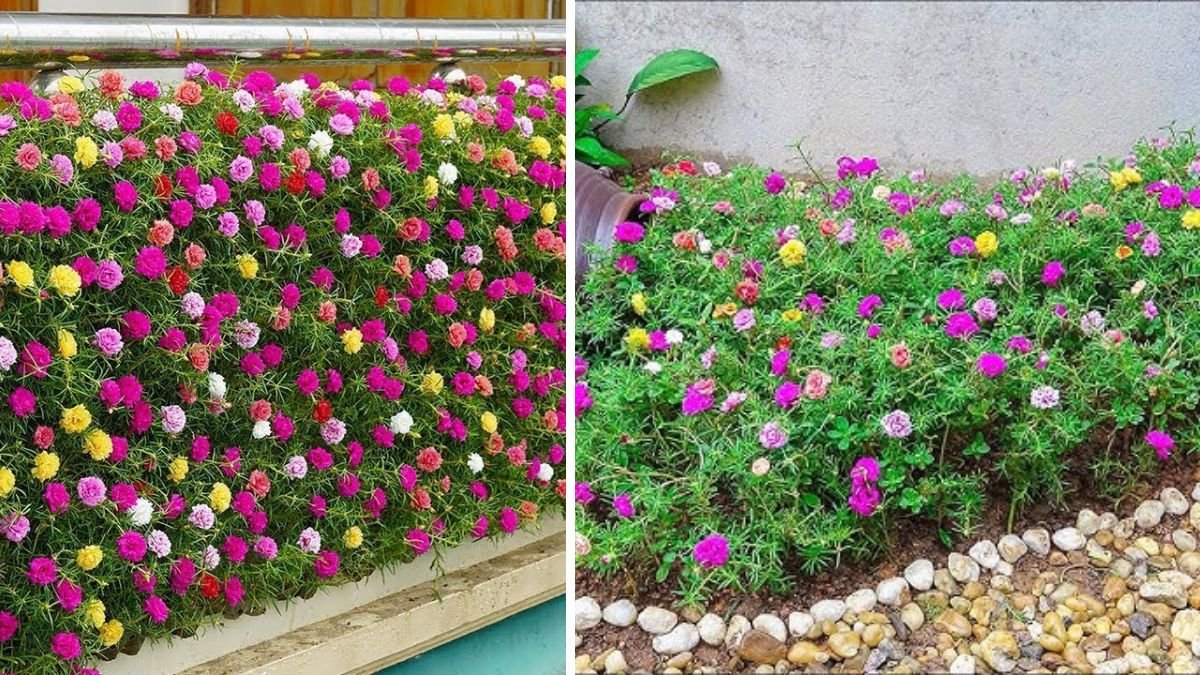

Vertical gardens have become one of the most popular trends in urban gardening, allowing people to transform limited spaces into lush, colorful environments. Among the various plants suitable for vertical gardens, moss roses (Portulaca grandiflora) stand out for their vivid blooms, drought tolerance, and easy propagation. In this guide, we’ll explore everything you need to know about creating an amazing vertical garden by growing moss roses from cuttings for vibrant wall displays, balcony planters, and even indoor vertical green spaces.
What Are Moss Roses?
Moss roses are hardy annual succulents known for their bright, multi-colored blooms and their ability to thrive in sunny, low-water environments. Unlike traditional roses, moss roses do not require rich soil or frequent watering, making them perfect for vertical gardening. Their trailing growth habit allows them to cascade over containers, pockets, and trellises, creating a full, lush appearance without needing large ground areas.
These plants are not only visually stunning but also highly resilient, tolerating heat and dry conditions that other flowering plants might struggle with. Moss roses bloom profusely during summer, and their flowers come in various colors, including red, pink, yellow, orange, and white, making them ideal for decorative garden walls.
Why Grow Moss Roses from Cuttings?
While moss roses can be grown from seeds, propagation through cuttings has several advantages:
- Faster Growth: Cuttings establish roots more quickly than seeds, producing blooms in a shorter time.
- Uniform Plants: Plants grown from cuttings maintain the characteristics of the parent plant, ensuring consistent color and flower quality.
- High Survival Rate: Healthy cuttings have a high chance of rooting successfully, especially when planted in well-draining soil.
Propagating moss roses from cuttings is straightforward, making it suitable for both beginner and experienced gardeners. By following simple steps, you can fill your vertical garden efficiently and enjoy a full wall of colorful blooms in a matter of weeks.
Step-by-Step Guide to Growing Moss Roses from Cuttings
1. Choose Healthy Parent Plants
Select healthy, vigorous moss rose plants with strong stems and vibrant blooms. Avoid using weak or diseased plants, as cuttings from these may fail to root or produce poor flowers. Look for stems that are about 5–10 cm long and free from pests or damage.
2. Prepare Your Cuttings
Using clean, sharp scissors or pruning shears, make a diagonal cut just below a leaf node. Remove the lower leaves and any flowers to reduce moisture loss. This encourages the cutting to focus on developing roots rather than sustaining foliage.
3. Prepare the Rooting Medium
Moss roses require a well-draining rooting medium. A mix of sandy soil, compost, and perlite or peat works best. Fill small pots or trays with this mixture, ensuring it is lightly moist but not waterlogged. Poor drainage can lead to rotting and reduce the success rate of your cuttings.
4. Plant the Cuttings
Press the cuttings gently into the prepared soil so that at least 2–3 cm of the stem is buried. Space the cuttings to avoid overcrowding, allowing adequate airflow around each stem.
5. Provide Humidity and Light
Cover the planted cuttings with clear plastic or a humidity dome to create a mini-greenhouse effect. This helps retain moisture while reducing water stress. Place the cuttings in bright, indirect sunlight. Direct sunlight at this stage can cause the cuttings to wilt.
6. Root Development
Roots typically start to develop within 10–14 days. You can gently tug the cuttings to check for resistance, which indicates successful root growth. Once the cuttings have established a strong root system, they are ready to be transplanted into your vertical garden setup.
Tips for a Thriving Vertical Garden
Creating a beautiful vertical garden with moss roses requires more than just planting cuttings. Here are essential care tips:
Sunlight
Moss roses thrive in full sunlight. Ensure that your vertical garden receives at least 6–8 hours of direct sunlight daily to encourage abundant blooming. Shaded areas may produce fewer flowers and weaker stems.
Watering
Though moss roses are drought-tolerant, they still need occasional watering, especially during the initial stages after planting. Allow the soil to dry slightly between waterings to prevent root rot. Overwatering is one of the most common mistakes in succulent care.
Soil
Use sandy or gritty soil that drains well. Moss roses do not tolerate waterlogged conditions. Adding compost or organic matter helps retain essential nutrients without compromising drainage.
Fertilization
Light fertilization can support flower production. Use a balanced, slow-release fertilizer once a month during the growing season. Avoid over-fertilizing, which can promote leafy growth at the expense of blooms.
Pruning
Remove spent flowers to encourage continuous blooming and prevent the plant from focusing energy on seed production. Trim leggy stems to maintain a compact and dense appearance for your vertical garden.
Vertical Garden Ideas for Moss Roses
Moss roses’ trailing nature makes them ideal for vertical structures. Here are some creative ideas:
- Pocket Planters: Use fabric or felt pockets attached to walls for a cascading floral effect.
- Recycled Bottle Walls: Upcycle plastic bottles into small planters to create a sustainable vertical garden.
- Trellis Frames: Plant moss roses along a trellis to let stems spill naturally, filling the space with color.
- Balcony Railings: Attach small pots or containers along railings for bright, summer-long blooms.
Combining moss roses with other trailing annuals, like petunias or verbena, can create a multi-colored, eye-catching display.
Common Issues and How to Avoid Them
- Pests: Aphids and mealybugs can occasionally infest moss roses. Use natural insecticidal soap or neem oil to control infestations.
- Fungal Diseases: Overwatering or poor drainage can lead to root rot or fungal infections. Stick to well-draining soil and water sparingly.
- Sunburn: While moss roses love sunlight, intense midday heat can damage young cuttings. Provide partial shade during peak hours for optimal growth.
Expert Sources for Further Guidance
For gardeners looking to dive deeper into moss rose cultivation and vertical gardening:
- The Spruce: Comprehensive guide on moss rose care and propagation.
- SAAI Academy: Detailed step-by-step propagation from cuttings.
- Song of Roses: Tips on indoor and outdoor moss rose rooting.
- Better Homes & Gardens: Practical growing advice for annual flowers.
- YouTube Tutorials: Channels like SUN Garden and Creation VDA provide visual guides for moss rose propagation.
Why Moss Roses Are Perfect for Vertical Gardens
Moss roses are low-maintenance, sun-loving, and highly decorative. Their ability to tolerate heat, drought, and poor soil conditions makes them ideal for vertical gardening, even in challenging urban environments. By propagating moss roses from cuttings, gardeners can fill vertical spaces quickly with uniform, healthy plants that bloom continuously throughout the summer.
The combination of bright, cascading flowers and minimal care makes moss roses a favorite choice for anyone seeking to transform walls, fences, or balconies into beautiful, natural displays.
Conclusion
Creating an amazing vertical garden by growing moss roses from cuttings for vibrant walls, balconies, or small urban spaces is both practical and rewarding. With minimal tools, well-draining soil, and bright sunlight, even beginners can achieve stunning results.
By following the step-by-step propagation guide, providing appropriate care, and experimenting with vertical garden structures, moss roses can turn any blank wall into a lush, colorful oasis. Whether for aesthetic beauty, improved air quality, or simply the joy of gardening, moss roses offer an accessible way to create a vibrant vertical garden that flourishes season after season.
Embrace this vertical gardening trend, and watch your moss rose cuttings transform into a cascade of blooms that brighten up your home, garden, or balcony. Happy gardening!