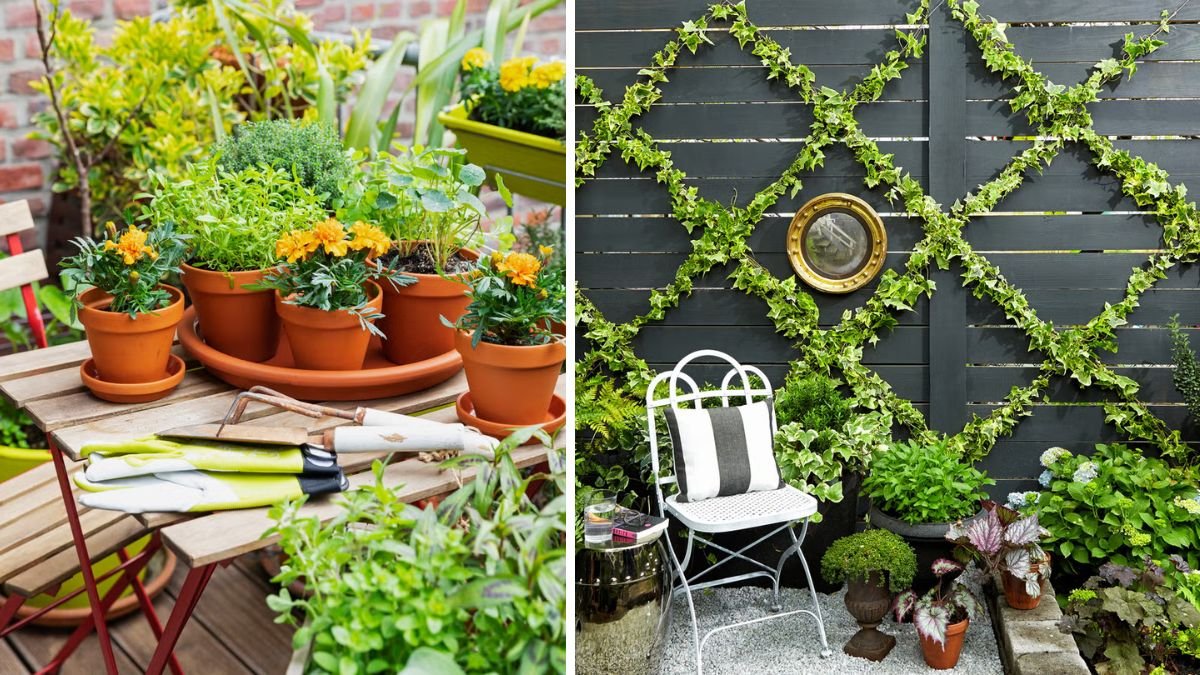

Gardening has evolved far beyond the traditional concept of planting flowers and mowing lawns. In 2026, gardening is a fusion of creativity, intelligence, and sustainability, offering homeowners and enthusiasts the opportunity to craft outdoor spaces that are both visually stunning and ecologically conscious. Modern gardening ideas are not only aesthetically pleasing but also practical, environmentally friendly, and tailored to meet the needs of our increasingly busy lifestyles. Whether you have a compact balcony or a sprawling backyard, incorporating intelligent design and creative touches can transform your garden into a sanctuary for relaxation and inspiration.
Here, we explore 10 intelligent and creative gardening ideas for 2026, drawing insights from the latest gardening trends and expert advice.
1. Nature-First Garden Designs
One of the most prominent trends in modern gardening is the shift toward nature-first designs. These gardens prioritize biodiversity and organic flow over strict symmetry or manicured perfection. By embracing plants’ natural growth patterns and layering colors, textures, and heights, your garden can feel dynamic and alive.
How to implement:
- Integrate native plants that thrive in your local environment
- Encourage pollinators with a mix of flowering perennials
- Replace straight paths with gentle, meandering walkways to create visual flow
This approach not only enhances the aesthetic appeal of your garden but also supports local ecosystems and promotes sustainability.
2. “Unarranged” Floral Styling
Inspired by creatives like Joanna Gaines, the unarranged trend celebrates the natural beauty of flowers in a relaxed, organic style. Instead of tightly structured arrangements, flowers are allowed to express their form freely, giving your garden a casual, authentic charm.
Benefits:
- Reduces maintenance by embracing natural growth patterns
- Adds a whimsical and inviting feel to your garden
- Perfect for both outdoor flower beds and indoor cut flower displays
This trend emphasizes the artistry in nature itself, turning your garden into a living masterpiece that evolves with the seasons.
3. Optical Illusion Paths for Small Spaces
Even small gardens can feel expansive with clever design tricks. Landscape professionals are using optical illusions, such as curved or tapering pathways, to create a sense of depth and movement.
Implementation tips:
- Narrow paths as they approach focal points to elongate the visual space
- Use light-colored stones or materials to brighten walkways
- Combine stepping stones and varied textures to guide the eye naturally
These design strategies make compact gardens feel larger and more immersive, maximizing every inch of your outdoor space.
4. Vertical & Compact Garden Solutions
With urban living spaces becoming smaller, vertical gardens and creative container arrangements are gaining popularity. Vertical planting not only saves space but also introduces an additional layer of visual interest and accessibility.
Ideas to try:
- Wall-mounted planters for herbs, succulents, or flowers
- Hanging pots to create layers of greenery
- Stacked planters that double as functional partitions
These solutions allow for intensive planting in small areas, making even a balcony or tiny yard feel lush and vibrant.
5. Sustainable Gardening Practices
Sustainability is at the core of intelligent gardening. Modern gardeners focus on minimizing environmental impact while maximizing beauty and productivity.
Key approaches:
- Use drought-resistant and native plants to conserve water
- Implement rainwater harvesting or smart irrigation systems
- Reuse materials like old pallets for garden furniture or planters
Eco-friendly gardens not only reduce maintenance but also contribute positively to local ecosystems and climate resilience.
6. Edible Landscapes
Combining beauty with function, edible landscapes are becoming a favorite trend in 2026. Herbs, vegetables, and fruit trees are integrated seamlessly into garden designs, creating a dual-purpose environment that’s visually appealing and productive.
How to integrate:
- Mix ornamental and edible plants for visual contrast
- Create kitchen garden corners within larger garden spaces
- Use raised beds and container gardens to optimize growth and access
Edible gardens offer the unique reward of providing fresh produce while enhancing the aesthetics of your outdoor space.
7. Smart Gardening Technology
Intelligent gardening also involves leveraging technology to simplify maintenance and improve efficiency. Smart systems are increasingly used to monitor soil moisture, light conditions, and even predict plant health needs.
Examples include:
- Automated irrigation systems that reduce water waste
- Sensors that monitor soil health and plant growth
- Mobile apps that guide planting schedules and pest management
Integrating technology into gardening allows even novice gardeners to achieve professional-quality results with minimal effort.
8. Bold Foliage & Textural Contrast
2026 is all about striking foliage and textural diversity. Instead of focusing solely on flowers, garden design emphasizes plants with dramatic leaves, contrasting shapes, and unique colors.
How to apply:
- Mix plants with different leaf sizes, shapes, and colors
- Combine textured plants like ferns and ornamental grasses
- Use plants that create seasonal changes in color and form
Bold foliage creates depth, intrigue, and movement in the garden, making every visit an immersive experience.
9. Indoor-Outdoor Gardening Fusion
Gardening no longer stops at the property line. Many gardeners are blurring the boundary between indoor and outdoor spaces. Plants from outdoor gardens are brought inside for decoration, while indoor greenery influences outdoor design patterns.
Suggestions:
- Grow herbs and small flowers indoors for year-round enjoyment
- Extend patio or balcony themes into indoor plant arrangements
- Use planters and containers that match your interior design style
This approach creates harmony across spaces, enhancing well-being and aesthetic continuity.
10. Creative Lighting & Seasonal Highlights
Intelligent gardening incorporates lighting to accentuate features, extend usability, and create atmosphere. Seasonal lighting transforms gardens, making them functional and enchanting even after sunset.
Tips for success:
- Use solar-powered or LED lights for eco-friendliness
- Highlight paths, focal points, and unique plants
- Incorporate subtle lighting into water features or sculptures
Lighting adds a new dimension to your garden, emphasizing textures, colors, and shapes, and making your outdoor space enjoyable day and night.
Expert Insights & Authoritative Sources
For gardeners seeking reliable guidance, these sources provide research-based and trend-informed strategies:
- Pennsylvania Horticultural Society: Highlights trends such as rewilding, gravel gardening, and AI-assisted design (thedailydirt.com)
- Gardening Know How: Offers practical tips for maximizing space and optical design tricks (gardeningknowhow.com)
- Martha Stewart Gardening: Expert guidance on herb gardens, container ideas, and indoor-outdoor integration (marthastewart.com)
- Southern Living: Innovative front-door containers and small garden inspiration (southernliving.com)
Final Thoughts
Gardening in 2026 is a balance of creativity, intelligence, and sustainability. By embracing nature-first design, integrating edible plants, leveraging technology, and experimenting with bold textures and optical illusions, you can transform any outdoor space into a vibrant, functional, and environmentally conscious garden.
Whether you’re starting with a small balcony or revamping a large backyard, these intelligent and creative gardening ideas are designed to inspire you to think beyond conventional gardening norms. Remember, a garden is not just a collection of plants—it’s a living expression of creativity, innovation, and personal style.
Embrace the trends, experiment boldly, and let your garden reflect both your aesthetic vision and your commitment to a smarter, greener future.