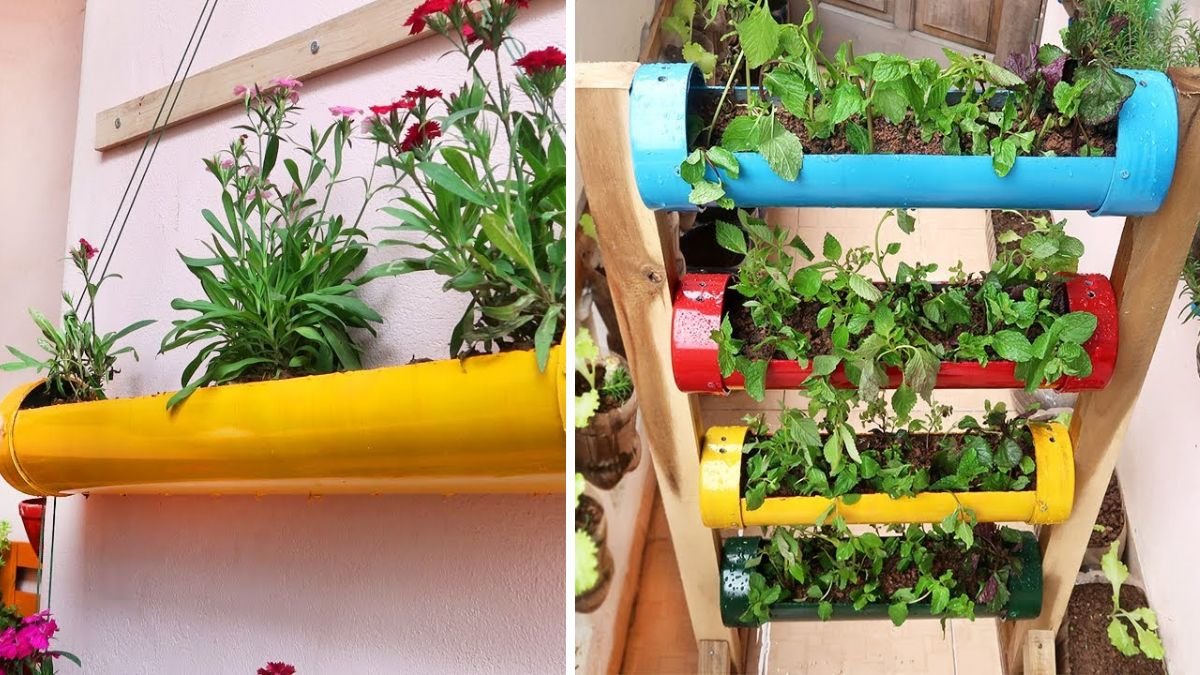

Urban living and shrinking outdoor spaces have changed the way people garden. Today, having a large backyard is no longer a requirement to grow fresh vegetables, herbs, or decorative plants. With a little creativity and the right approach, even the smallest balcony, terrace, or courtyard can be transformed into a thriving green space. One of the most effective and affordable solutions gaining popularity worldwide is Amazing DIY Vertical Gardens from Plastic Pipes for Small Gardens.
Vertical gardening using plastic pipes combines smart design, sustainability, and functionality. It allows gardeners to grow more plants in less space while reusing materials that might otherwise end up as waste. This article explores the background, benefits, latest trends, and practical ideas behind this growing gardening movement.
The Rise of Vertical Gardening in Small Spaces
As cities become more crowded, outdoor spaces are shrinking. Many people live in apartments or houses with limited garden areas, making traditional ground gardening impractical. Vertical gardening addresses this challenge by encouraging upward growth instead of horizontal spread.
Plastic pipes—especially PVC—have emerged as a popular material for vertical gardens because they are lightweight, durable, weather-resistant, and easy to work with. By drilling planting holes and arranging pipes vertically or horizontally on walls, frames, or stands, gardeners can create productive systems that occupy very little floor space.
Beyond space efficiency, vertical gardens also improve air quality, reduce heat, enhance aesthetics, and make gardening accessible to people of all ages.
Why Use Plastic Pipes for DIY Vertical Gardens?
Plastic pipes are widely available and relatively inexpensive. Many DIY gardeners even use leftover or recycled pipes from plumbing projects, making this method both budget-friendly and environmentally responsible.
Key reasons plastic pipes work so well include:
- Durability: They withstand moisture, sunlight, and temperature changes.
- Flexibility: Pipes can be cut, stacked, hung, or arranged in countless designs.
- Lightweight nature: Easy to mount on walls or balconies without heavy structural support.
- Low maintenance: Plastic does not rot or degrade like wood.
This combination makes plastic pipes ideal for beginners and experienced gardeners alike.
Latest Trends in DIY Vertical Gardens from Plastic Pipes
In recent years, DIY vertical gardens have evolved beyond simple pipe planters. Gardeners are now integrating creativity, technology, and sustainability into their designs.
1. High-Yield Urban Food Gardens
Many small-space gardeners now use vertical pipe systems to grow vegetables such as spinach, lettuce, chilies, tomatoes, and strawberries. Carefully spaced planting holes and efficient watering systems allow high yields even in tight spaces.
Some home gardeners report harvesting several kilograms of vegetables each week using simple PVC pipe setups, proving that vertical gardening is not just decorative but highly productive.
2. Modular Vertical Garden Designs
Instead of fixed installations, modular pipe systems are becoming popular. These allow gardeners to add or remove sections easily, rearrange layouts, or expand their gardens over time without rebuilding the entire structure.
3. Integration with Drip Irrigation
Water efficiency is another major trend. DIY gardeners increasingly pair plastic pipe gardens with basic drip irrigation or gravity-fed watering systems. This ensures even water distribution, reduces waste, and makes maintenance easier—especially for busy urban dwellers.
4. Decorative and Aesthetic Focus
Vertical gardens are no longer hidden functional setups. Many are designed as living wall art, combining colorful plants, herbs, and flowers arranged in visually pleasing patterns that enhance balconies and walls.
Popular DIY Vertical Garden Ideas Using Plastic Pipes
Vertical PVC Pipe Towers
This is one of the most common and effective designs. A long plastic pipe is positioned vertically, with evenly spaced holes drilled along its length. Each hole holds soil and a plant. The pipe is fixed to a stand or wall, and watering is done from the top so moisture flows downward to all plants.
This setup works well for leafy greens, herbs, and strawberries and is perfect for balconies or corners of small gardens.
Horizontal Wall-Mounted Pipe Planters
In this design, pipes are mounted horizontally on walls or fences. Circular or rectangular holes are cut on the upper side of the pipe for planting. Multiple pipes can be stacked vertically, creating a lush green wall.
This method is ideal for herbs and ornamental plants and adds strong visual appeal to otherwise plain walls.
Hanging Pipe Gardens
Lightweight plastic pipes can also be cut into smaller sections and hung using ropes or chains. These hanging planters are great for balconies, patios, and indoor gardening near windows.
Semi-Hydroponic Pipe Systems
More advanced DIY gardeners experiment with soil-less or semi-hydroponic systems using plastic pipes. These systems deliver nutrient-rich water directly to plant roots, resulting in faster growth and higher yields. While slightly more complex, they are still achievable at home with basic tools and research.
Environmental and Sustainability Benefits
One of the strongest arguments for Amazing DIY Vertical Gardens from Plastic Pipes for Small Gardens is sustainability.
- Recycling and Reuse: Old or leftover plastic pipes are repurposed instead of discarded.
- Reduced Water Use: Vertical systems with drip irrigation use significantly less water than traditional gardens.
- Lower Carbon Footprint: Growing food at home reduces dependence on transported produce.
- Improved Urban Environment: Vertical greenery helps cool spaces, reduce dust, and improve air quality.
By combining gardening with eco-friendly practices, vertical pipe gardens contribute to greener, healthier urban living.
Practical Tips for Success
To get the best results from a plastic pipe vertical garden, keep the following tips in mind:
- Choose the right plants: Herbs, leafy greens, strawberries, and shallow-rooted vegetables perform best.
- Ensure proper spacing: Overcrowding leads to poor growth and disease.
- Use quality soil: Lightweight, nutrient-rich potting mix improves drainage and root health.
- Provide adequate sunlight: Most edible plants need at least 4–6 hours of sunlight daily.
- Plan watering carefully: Even moisture distribution is essential, especially in vertical setups.
Regular monitoring and minor adjustments will keep the garden healthy and productive.
Why DIY Vertical Gardens Are Ideal for Beginners
DIY vertical gardens from plastic pipes are beginner-friendly because they require minimal tools, low investment, and simple construction techniques. Even people with no prior gardening experience can start small and gradually expand their systems.
The ability to customize designs based on available space, plant choice, and budget makes this approach accessible to nearly everyone.
The Future of Small-Space Gardening
As urbanization continues, vertical gardening will play an increasingly important role in food production and sustainable living. DIY solutions using plastic pipes demonstrate that innovation does not always require expensive materials or advanced technology.
With creativity, basic skills, and a willingness to experiment, small-space gardeners can grow fresh food, beautify their homes, and contribute to a greener future.
Final Thoughts
Amazing DIY Vertical Gardens from Plastic Pipes for Small Gardens are more than just a trend—they are a practical response to modern living challenges. They offer an affordable, sustainable, and visually appealing way to garden in limited spaces.
Whether you want to grow herbs for your kitchen, vegetables for your family, or simply add greenery to your surroundings, plastic pipe vertical gardens provide a smart and achievable solution. With the right design and care, even the smallest garden can become a thriving vertical oasis. 🌱