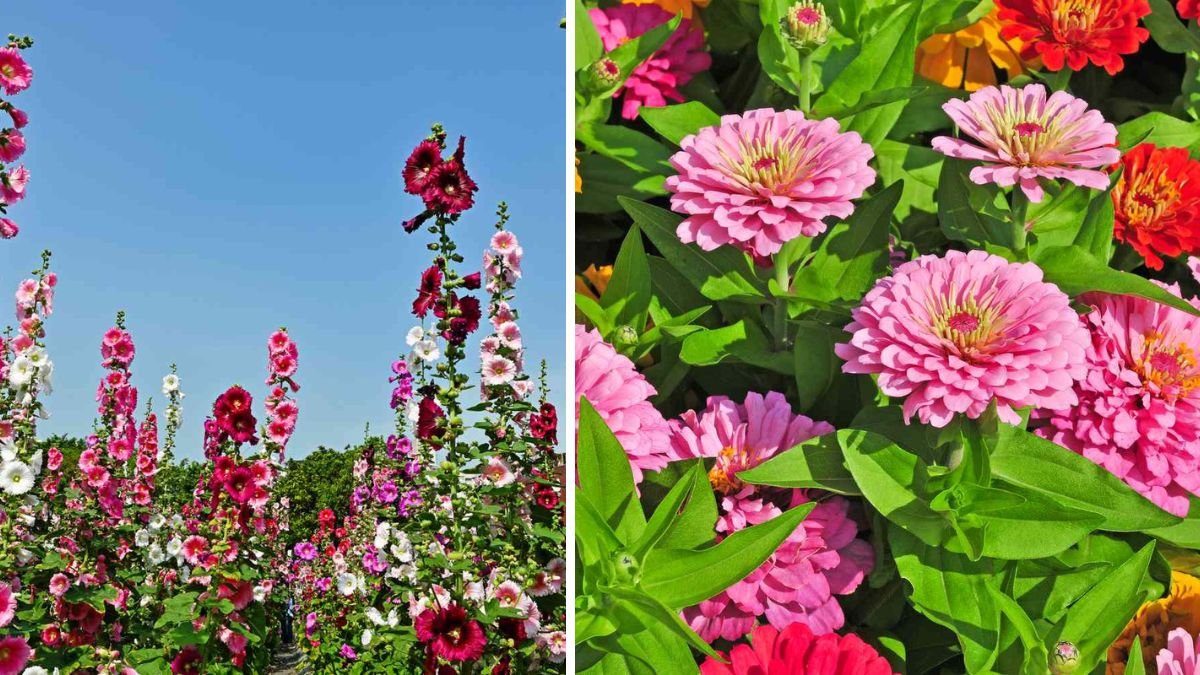

Tall perennials are the unsung heroes of garden design. Their height, vibrant blooms, and structural presence can transform any garden into a dynamic, eye-catching space. These towering plants provide vertical interest, create natural backdrops, attract pollinators, and add seasonal drama. From classic cottage garden favorites to native prairie standouts, tall perennials are versatile tools for both beauty and functionality.
Whether you are designing a cottage-style garden, a prairie-inspired landscape, or a pollinator-friendly haven, choosing the right tall perennials ensures your garden stands out. This guide highlights 20 tall perennials that bring color, texture, and drama to any space, along with tips for using them effectively. (gardentabs.com)
1. Foxglove (Digitalis purpurea)
Foxgloves are iconic cottage garden plants, producing 3–5-foot spikes of tubular flowers in shades of pink, purple, yellow, and white. They thrive in partial shade and moist soil, adding fairytale charm and vertical rhythm to borders. Their tall, upright form provides structure and works beautifully with lower companions. (gardentabs.com)
2. Delphinium (Delphinium elatum)
Delphiniums are prized for their towering spires of vibrant flowers, reaching 6 feet tall or more. They flourish in rich soil and full sun, creating dramatic backdrops in garden beds. Staking may be necessary to prevent bending in windy conditions. Their tall flower spikes make them perfect for a statement border or formal garden. (gardentabs.com)
3. Joe-Pye Weed (Eutrochium purpureum)
This native perennial reaches 6–7 feet and produces clusters of pink-purple flowers that attract butterflies and bees. It’s ideal for rain gardens, pond edges, or naturalistic plantings, providing both height and pollinator-friendly blooms. Its bold vertical stature makes it a standout in any perennial border. (gardentabs.com)
4. Hollyhock (Alcea rosea)
Hollyhocks are classic cottage garden plants that can grow 6–8 feet tall. Their large, showy blooms appear in a rainbow of colors, making them excellent for lining fences, walls, or tall borders. They thrive in full sun and well-draining soil, and their tall flower spikes add nostalgic charm and dramatic height. (gardentabs.com)
5. Giant Allium (Allium giganteum)
These architectural plants produce spherical flower heads atop 5–6-foot stems, offering bold geometric structure in late spring. Their purple globes are deer-resistant, making them ideal for adding structural drama to perennial borders or mixed plantings. (gardentabs.com)
6. Black-Eyed Susan (Rudbeckia hirta)
Reaching 3–4 feet tall, black-eyed Susans have sunny yellow daisy-like flowers that bloom from mid-summer to fall. They are low-maintenance, pollinator-friendly, and long-blooming, adding cheerful vertical color to borders and garden beds. (gardentabs.com)
7. Coneflower (Echinacea purpurea)
Coneflowers grow up to 5 feet tall, producing purple-pink daisy-like flowers. They are hardy, drought-tolerant, and attract pollinators, making them perfect for prairie-style gardens, wildflower borders, or mixed perennial beds. (gardentabs.com)
8. Porcupine Grass (Miscanthus sinensis)
An ornamental grass that can tower up to 8 feet, porcupine grass offers feathery plumes and flowing texture. It adds movement, privacy, and vertical drama to garden edges, screens, and large landscapes. (gardentabs.com)
9. Monkshood (Aconitum napellus)
Monkshood produces deep blue or purple hooded flowers on 4-foot stems, creating striking vertical color. Best for woodland gardens or shaded borders, it pairs well with ferns and shade-loving companions. (gardentabs.com)
10. Russian Sage (Perovskia atriplicifolia)
With 4–5-foot silvery stems topped by lavender-blue flowers, Russian sage adds elegance, texture, and long-lasting blooms into fall. Its airy form works beautifully in perennial borders and mixed plantings, providing vertical contrast. (gardentabs.com)
11. Lupine (Lupinus polyphyllus)
Lupines produce 4-foot spires of blue, purple, pink, or yellow flowers. These nitrogen-fixing perennials enrich soil while attracting pollinators. Lupines are ideal for cottage gardens, mixed borders, and wildflower plantings. (gardentabs.com)
12. False Indigo (Baptisia australis)
False Indigo grows to 4 feet tall with deep blue or purple flower spikes. It’s hardy, low-maintenance, and perfect for prairie-style landscapes or structurally bold garden designs. (gardentabs.com)
13. Ironweed (Vernonia noveboracensis)
Ironweed grows 3–7 feet tall with rich purple flowers that attract pollinators in late summer. Its bold height and vivid blooms make it a dramatic addition to naturalistic or prairie-style gardens. (gardentabs.com)
14. Queen of the Prairie (Filipendula rubra)
This 6–8-foot perennial produces cloud-like pink flowers and thrives in moist soil. Its tall plumes are perfect for romantic borders or pondside plantings, adding height and movement. (gardentabs.com)
15. Goat’s Beard (Aruncus dioicus)
Reaching 6 feet, goat’s beard has feathery white plumes that bring softness and vertical drama to shady borders. It pairs well with ferns and other woodland plants for layered, naturalistic gardens. (gardentabs.com)
16. Meadow Rue (Thalictrum rochebrunianum)
Meadow rue grows 4–6 feet tall with airy clusters of flowers and delicate, lacy foliage. It adds elegance, movement, and verticality to shade-loving borders. (gardentabs.com)
17. Bugbane (Actaea racemosa)
Bugbane produces fragrant white flower spikes up to 6 feet tall in late summer. It’s ideal for shade gardens and pairs beautifully with ferns or ornamental grasses, adding fragrance and height. (gardentabs.com)
18. Prairie Dock (Silphium terebinthinaceum)
This prairie perennial grows up to 8 feet tall with bright yellow daisy-like flowers. It thrives in full sun and well-draining soil, providing bold vertical interest in naturalistic or prairie-inspired plantings. (gardentabs.com)
19. Cup Plant (Silphium perfoliatum)
Cup plant reaches 6–8 feet with sunflower-like yellow blooms and leaves that catch water, supporting birds and pollinators. Its stature makes it a dramatic addition to tall borders or wildlife gardens. (gardentabs.com)
20. Japanese Anemone (Anemone hupehensis)
Growing 3–5 feet tall, Japanese anemones produce delicate pink or white flowers in late summer to fall. They are perfect for adding height, grace, and late-season color to perennial borders. (gardentabs.com)
Garden Design Tips for Using Tall Perennials
1. Layer Heights
Place tall perennials at the back of borders and layer medium and low plants in front. This creates visual depth and a balanced garden composition.
2. Color Sequencing
Combine complementary colors — for example, purple Russian sage with yellow cup plants — to create contrast and seasonal interest.
3. Pollinator Focus
Many tall perennials attract bees, butterflies, and hummingbirds, enhancing biodiversity while boosting garden productivity. (gardentabs.com)
Suggested Authoritative Sources
- GardenTabs – Tall Perennials for Height & Drama: Comprehensive plant profiles. (gardentabs.com)
- Heijnen Plants – Tall Perennials for Borders: Top perennials for vertical structure. (hedgeplants-heijnen.co.uk)
- TreeVitalize – Tall Perennial Flowers: Classic dramatic perennials including delphiniums and hollyhocks. (treevitalize.com)
Conclusion
Tall perennials provide color, vertical interest, and garden drama, transforming ordinary borders into spectacular landscapes. From classic delphiniums and hollyhocks to native prairie species like prairie dock and cup plant, these 20 perennials bring height, texture, and seasonal appeal.
By layering plants, selecting complementary colors, and including pollinator-friendly species, you can create a visually striking, dynamic garden that delights throughout the growing season. With careful selection and placement, tall perennials become not just background plants, but focal points that define and elevate any outdoor space. (gardentabs.com)