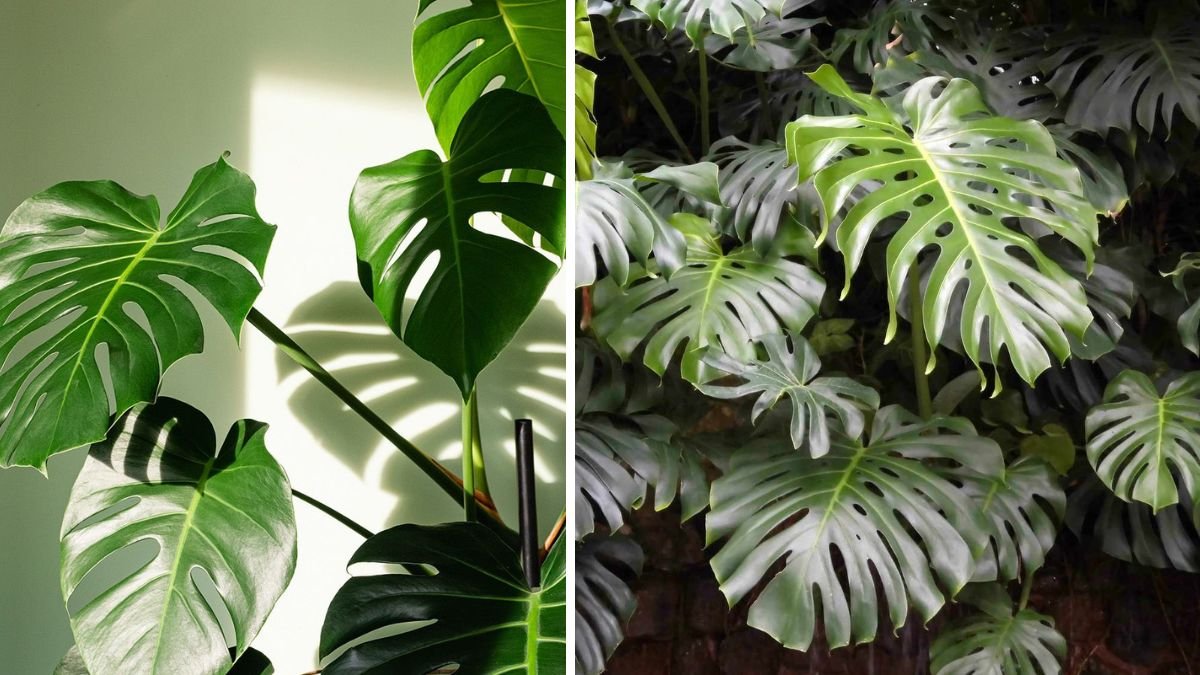

Monsteras, particularly Monstera deliciosa, have earned their reputation as one of the most iconic indoor plants. Their large, glossy, fenestrated leaves add a tropical flair to any room, and with proper care, they can grow into dramatic, jungle-like specimens. However, many indoor gardeners struggle to achieve that lush, full look. While Monsteras are generally forgiving, applying a few strategic care tips can make all the difference between a healthy plant and a stunning, vibrant centerpiece.
In this article, we will explore 9 essential tips to help your Monstera thrive, including the latest insights from plant care experts. From light and water to soil, humidity, pruning, and pest control, these techniques ensure your Monstera develops big, healthy leaves and maintains lush growth year-round.
1. Provide Bright, Indirect Light
Light is arguably the most important factor in Monstera care. Monsteras naturally grow under the rainforest canopy, receiving bright but filtered sunlight. To replicate these conditions indoors:
- Place your Monstera near an east- or west-facing window with indirect light.
- Avoid direct sunlight, which can scorch the leaves.
- If natural light is limited, consider supplementing with a grow light to ensure healthy growth.
Insufficient light often results in leggy stems and smaller leaves, while bright, indirect light encourages full, vibrant foliage. Experts emphasize that even partially shaded Monsteras will survive, but they truly flourish when given optimal light conditions. (cutenine.com)
2. Water Properly — Don’t Overdo It
Watering is another key aspect of healthy Monstera growth. Overwatering is a common mistake that can lead to yellowing leaves, root rot, and slowed growth. Follow these guidelines:
- Let the top 1–2 inches of soil dry out between waterings.
- Ensure the pot has drainage holes so excess water can escape.
- Reduce watering during fall and winter, when the plant’s growth slows.
Recent plant care news highlights that consistently checking soil moisture is crucial. Using a moisture meter or simply feeling the soil with your finger helps prevent waterlogged roots and promotes vigorous leaf development. (bhg.com)
3. Choose the Right Pot and Soil
Monsteras prefer well-draining, airy soil that mimics their natural epiphytic environment. A suitable mix combines standard potting soil with orchid bark, peat moss, coco coir, or perlite. This blend retains moisture without waterlogging roots.
- Use a pot slightly larger than the root ball — typically 2–4 inches wider and deeper.
- Repotting every 1–3 years refreshes the soil and accommodates root growth.
The right soil and container support strong root systems, which in turn promote larger leaves and fuller growth. (gardendesign.com)
4. Boost Humidity for Lush Leaves
As tropical plants, Monsteras thrive in moderate to high humidity, ideally around 60% or higher. Low humidity can lead to dry leaf edges and slower growth. To increase humidity indoors:
- Use a humidifier near the plant.
- Place a tray of water with pebbles under the pot.
- Group houseplants together to create a micro-humid environment.
- Lightly mist the leaves occasionally.
High humidity encourages robust leaf expansion, healthier aerial roots, and vibrant coloration. (cutenine.com)
5. Fertilize During Active Growth
Providing nutrients during the growing season helps Monsteras develop lush, large leaves. Consider the following fertilization schedule:
- Spring and summer: Feed every 4–6 weeks with a balanced liquid fertilizer, diluted to half strength.
- Fall and winter: Pause fertilization, as growth slows naturally.
Avoid over-fertilizing, which can lead to salt buildup, leaf burn, and root stress. Balanced feeding supports vigorous growth and healthier foliage. (ashlinakaposta.com)
6. Support Climbing and Vertical Growth
In their natural habitat, Monsteras climb trees using aerial roots. Replicating this indoors encourages larger leaves and fuller growth.
- Use a moss pole, trellis, or sturdy stake for the plant to climb.
- Allow aerial roots to attach to the support for improved nutrient and water uptake.
Climbing Monsteras develop bigger, healthier leaves and maintain a natural, tropical aesthetic. Experts note that providing a climbing structure can transform a small Monstera into a statement piece. (gardeningknowhow.com)
7. Prune for Shape and New Growth
Pruning is essential to encourage new leaf production and dense foliage.
- Remove leggy stems, yellowing leaves, or damaged growth.
- Prune during spring or early summer, when the plant is actively growing.
- Pruning helps redirect energy toward stronger stems and healthier leaves.
A regular pruning schedule prevents your Monstera from becoming sparse and encourages lush, bushy growth. (letslearnslang.com)
8. Repot When Necessary
Monsteras eventually outgrow their containers. Signs it’s time to repot include roots emerging from drainage holes or soil that dries too quickly. Repotting every 1–3 years provides:
- Fresh soil with new nutrients
- More space for root expansion
- Better drainage and oxygen flow
Repotting encourages renewed growth, bigger leaves, and a fuller plant. (gardendesign.com)
9. Monitor Pests and Problems Early
Even healthy Monsteras can attract pests like spider mites, scale, and mealybugs. Inspect your plant regularly, especially the undersides of leaves.
- Treat early infestations with neem oil or insecticidal soap.
- Yellowing leaves can also result from improper watering or low light, so consistent observation is key.
Addressing issues early keeps your Monstera lush, vibrant, and free from damage. (theguardian.com)
Bonus Tips for Extra Lush Growth
- Rotate Your Monstera: Ensures even light exposure and balanced growth.
- Clean the Leaves: Removes dust to improve photosynthesis and maintain glossy foliage.
- Propagate for Fullness: Use cuttings to grow additional plants or cluster them for a bushier appearance.
These small steps amplify your Monstera’s lushness and visual impact. (plantjoys.com)
Suggested Authoritative Sources
- Garden Design – Monstera Care: Comprehensive advice on light, support, and growth. (gardendesign.com)
- ASHLINA Kaposta – Complete Guide: Tips for lush growth and leaf development. (ashlinakaposta.com)
- Cutenine – Monstera Plant Care: Practical instructions on watering, soil, and humidity. (cutenine.com)
- PlantJoys – How to Shape a Full Monstera: Leaf care and maintenance tips. (plantjoys.com)
Conclusion
A lush Monstera is achievable with consistent care and attention. By providing bright, indirect light, proper watering, well-draining soil, humidity, fertilization, pruning, support, and pest monitoring, you can cultivate a tropical indoor plant that thrives year-round.
Applying these 9 proven tips will help your Monstera grow fuller, produce larger leaves, and become a striking focal point in your home. With patience and proper care, your Monstera can become a tropical centerpiece that adds life, vibrancy, and a lush aesthetic to your indoor garden.