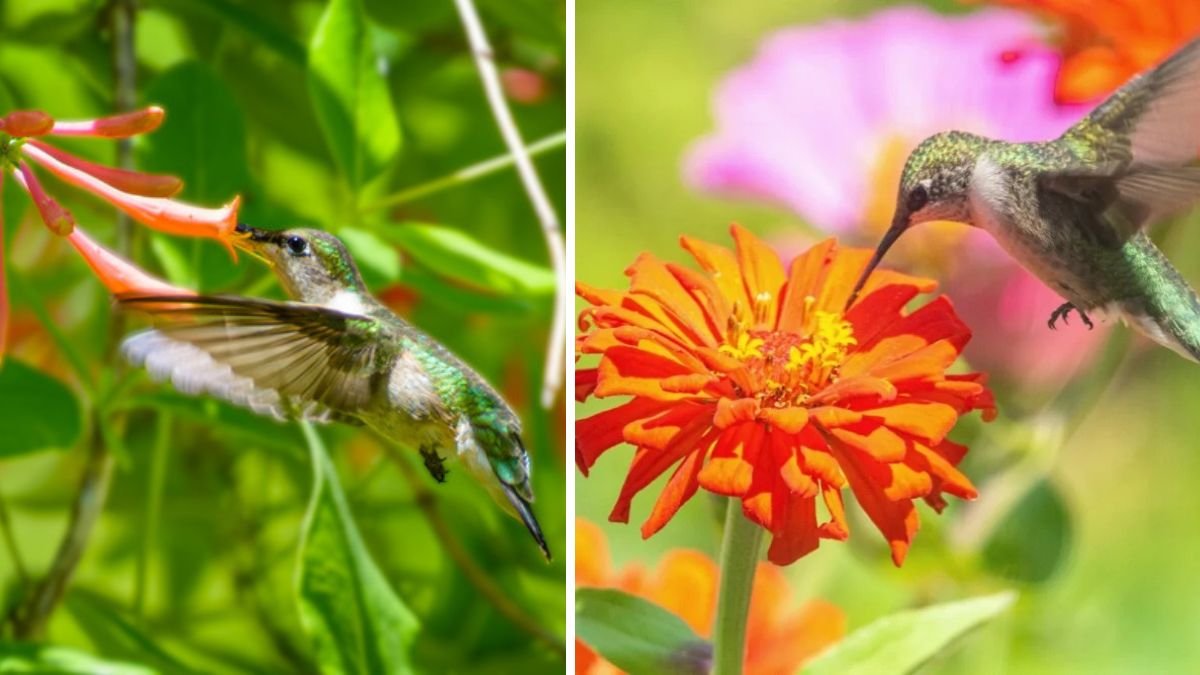

Creating a garden that hums with life and attracts birds starts with choosing plants that feed and shelter local wildlife. Among the most effective are honeysuckles. While non-native varieties can be invasive, there are numerous native honeysuckles that offer vibrant flowers, nectar, and fruits that pollinators and birds love. These plants not only beautify your yard but also support local ecosystems.
In this guide, we’ll explore the five best native honeysuckles for attracting hummingbirds, bees, butterflies, and songbirds. You’ll also learn planting tips and care advice to maximize your garden’s ecological value.
Why Native Honeysuckles Are Important
Native plants are naturally adapted to the local climate, soil, and wildlife, which makes them a better choice for sustainable gardening. Unlike invasive species, native honeysuckles:
- Provide rich nectar sources for hummingbirds, bees, and butterflies.
- Produce berries that feed birds later in the season.
- Offer shelter and habitat for small wildlife and insects.
By incorporating native honeysuckles, you enhance biodiversity, reduce maintenance, and create a garden that thrives naturally.
1. Coral Honeysuckle (Lonicera sempervirens)
Best for: Hummingbirds, butterflies, bees
Plant type: Climbing vine
Bloom season: Spring through fall
Coral honeysuckle is a favorite among gardeners seeking to attract wildlife. Its trumpet-shaped red or coral flowers are irresistible to hummingbirds and bees, while its bright berries provide food for songbirds.
Planting Tips:
- Provide a trellis or arbor to climb.
- Plant in full sun to encourage prolific blooms.
- Regular watering during establishment helps roots take hold.
This species thrives in a variety of soil types and adds vertical interest to any garden.
2. Orange Honeysuckle (Lonicera ciliosa)
Best for: Butterflies, hummingbirds, seed-eating birds
Plant type: Vine or sprawling shrub
Bloom season: Early summer
Native to the Pacific Northwest, orange honeysuckle features large, tubular orange-yellow flowers. These blooms are particularly attractive to hummingbirds and butterflies, while its fruits provide nourishment for birds.
Planting Tips:
- Ideal for trellises, fences, or natural woodland edges.
- Prefers moist, well-drained soil.
- Plant with companion flowers to extend the pollinator-friendly season.
Its vibrant color adds a dramatic focal point to garden borders or backyard trellises.
3. Yellow Honeysuckle (Lonicera flava)
Best for: Bees, butterflies, nocturnal pollinators
Plant type: Vine
Bloom season: Late spring to early summer
Yellow honeysuckle produces fragrant, bright flowers that attract both daytime and nighttime pollinators. This species is especially useful for gardeners aiming to create a pollinator-focused garden with long-lasting blooms.
Planting Tips:
- Pair with other yellow-flowering natives to create a visually appealing pollinator garden.
- Full sun to partial shade encourages abundant flowering.
- Mulch around the base to retain soil moisture and reduce weeds.
Its cheerful color and fragrance make it a standout in native plantings while supporting a variety of pollinators.
4. American Fly Honeysuckle (Lonicera canadensis)
Best for: Early-season bees, hummingbirds, birds
Plant type: Shrub
Bloom season: Spring
Unlike climbing honeysuckles, American fly honeysuckle grows as a shrub, making it versatile for borders, woodland gardens, or wildlife-friendly landscapes. Its small white flowers bloom early, offering nectar to bees and hummingbirds emerging from winter dormancy.
Planting Tips:
- Thrives in partial shade or under taller trees.
- Well-drained soil is preferred.
- Plant in groups to provide cover and food for birds.
This shrub also produces fruit that birds enjoy, making it both beautiful and functional for garden wildlife.
5. Twinberry Honeysuckle (Lonicera involucrata)
Best for: Bees, hummingbirds, small mammals, birds
Plant type: Shrub
Bloom season: Summer
Twinberry honeysuckle produces small yellow flowers that attract a wide range of pollinators. Later in the season, it produces dark berries that are a favorite among birds and small mammals. This shrub adds both aesthetic and ecological value to native gardens.
Planting Tips:
- Plant in clusters to create habitat zones.
- Requires full sun to partial shade.
- Works well in rain gardens or conservation plantings.
By integrating twinberry honeysuckle into your garden, you can provide continuous nectar and fruit for wildlife throughout the growing season.
Planting & Care Tips for Native Honeysuckles
1. Select the Right Location
Most native honeysuckles prefer full sun to partial shade. Sunlight encourages vibrant blooms and maximum nectar production, essential for attracting pollinators.
2. Soil Preparation
Native honeysuckles do best in well-drained soil. Adding organic matter helps retain moisture and provides nutrients. Regular watering during the first growing season ensures strong root establishment.
3. Companion Planting
Combine honeysuckles with other native flowering plants like bee balm, cardinal flower, or wild columbine. This creates a continuous bloom calendar and supports a wider range of pollinators.
4. Avoid Invasive Species
Non-native honeysuckles, such as Japanese honeysuckle, can outcompete native plants and reduce biodiversity. Stick to native species to ensure your garden is both beautiful and ecologically responsible.
Social and Ecological Benefits
Planting native honeysuckles benefits more than just your garden’s appearance:
- Supports Pollinators: Native honeysuckles provide a consistent food source for bees, butterflies, and hummingbirds.
- Feeds Birds: Berries and seeds offer nourishment for a variety of bird species.
- Encourages Biodiversity: Native shrubs and vines offer shelter for insects, small mammals, and birds.
- Reduces Maintenance: Adapted to local climate and soil, native honeysuckles require less fertilizer and water than non-native alternatives.
By focusing on native varieties, gardeners help strengthen ecosystems while enjoying year-round color and wildlife activity.
Authoritative Sources for Reference
For further reading and regional planting recommendations, consult these reputable sources:
- Audubon Native Plants Database: audubon.org/native-plants
- Homes & Gardens Guide to Native Honeysuckles: homesandgardens.com
- Gardening Know How – Hummingbird Plants: gardeningknowhow.com
These resources provide detailed planting, care, and wildlife-support tips for honeysuckles and other native plants.
Final Thoughts
Choosing the right native honeysuckles can transform your garden into a vibrant oasis for pollinators and birds. Whether you prefer climbing vines like coral honeysuckle or shrubs like twinberry honeysuckle, these plants offer beauty, ecological value, and wildlife support.
By planting native honeysuckles and pairing them with other pollinator-friendly plants, you create a garden that thrives year-round, supports biodiversity, and provides food and shelter for wildlife. These plants are a small investment with a significant impact on your local ecosystem.
Start with one or two varieties and expand over time to enjoy a continuous supply of flowers, nectar, and berries — turning your yard into a pollinator and bird paradise.