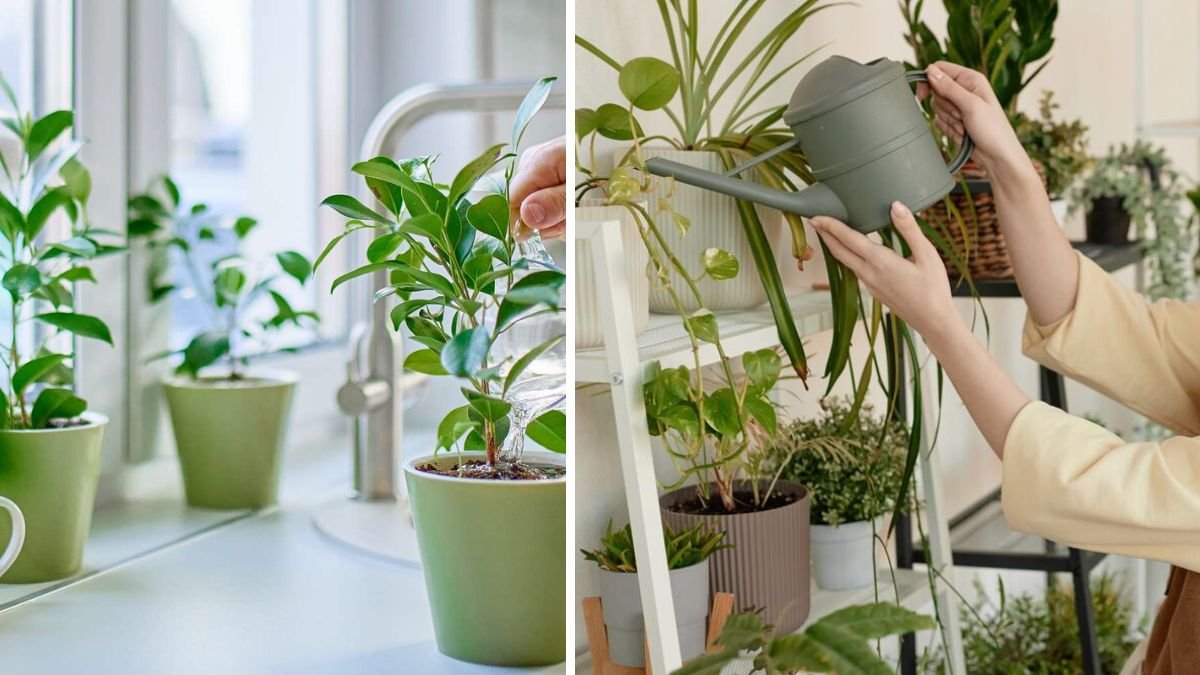

Background: Why Houseplants Wilt and How Experts Recommend Recovery
Forgetting to water your houseplants is one of the most common mistakes indoor gardeners make. Life gets busy, schedules slip, and before you know it, your leafy friends are drooping, leaves are curling, and stems may even appear limp. However, experts insist that wilting doesn’t necessarily mean the end for your plant. Many indoor plants can recover with careful attention and consistent care.
According to recent advice from Martha Stewart Gardening, underwatering stresses a plant’s roots, reducing their ability to absorb moisture and nutrients. But with gentle recovery methods, most common houseplants can bounce back. Experts like Lisa Eldred Steinkopf, a houseplant guru, and Samantha Adler, a plant care specialist, recommend a thoughtful approach to watering stressed plants, rather than immediately flooding them.
“Simply pouring water onto a dry, compacted soil can shock a plant or even cause root rot,” says Steinkopf.
Understanding the signs of underwatering and knowing the correct revival steps is essential to bringing your houseplants back to health.
Recognizing Underwatering vs. Other Issues
Before attempting to revive a plant, it’s important to identify the cause of its distress. Not all wilting or yellowing is due to lack of water. Key signs of underwatering include:
- Droopy or limp leaves: Often a clear indicator that the plant needs moisture.
- Brown, crispy edges: This shows the plant has been dry for an extended period.
- Soil pulling away from pot edges: This indicates extremely dry soil that may resist rehydration.
Conversely, yellowing or mushy leaves could indicate overwatering or root rot rather than simple dehydration. Experts recommend checking the soil moisture before watering again. A simple test: stick your finger about one inch into the soil. If it feels dry, it’s time to water; if still moist, hold off to prevent overwatering.
Step-by-Step Guide: How to Revive Dried-Out Houseplants
Reviving an underwatered plant requires patience, proper hydration, and environmental adjustments. Here’s how experts recommend doing it:
1. Reintroduce Water Gradually
When soil has been bone dry for a while, pouring a large amount of water at once can be harmful. Instead:
- Add a small, measured amount of water to the soil.
- Wait a few hours or days to allow roots to absorb the moisture.
- Repeat gradually until the soil is evenly damp.
This method prevents shocking the plant and reduces the risk of root rot.
2. Bottom Water When Necessary
If your soil has become hydrophobic (water repelling), top watering might not be effective. Bottom watering helps:
- Place the pot in a shallow tray filled with water.
- Let the soil absorb moisture from the bottom over 20–30 minutes.
- Remove from the tray and let it drain thoroughly.
This technique ensures that water reaches the root zone efficiently and encourages deep root growth.
3. Refresh Hard, Compact Soil
Soil that has dried completely can become compacted and crusty, preventing water from penetrating effectively. In this case:
- Gently loosen the top layer of soil.
- Consider repotting the plant with fresh, well-draining soil to help moisture reach the roots.
A light mix of potting soil with added perlite or sand improves drainage while still retaining necessary moisture.
4. Prune Damaged Foliage
Trimming dead or severely wilted leaves can help redirect energy to healthy growth.
- Remove brown, crispy leaves and limp stems.
- Use clean, sharp scissors to prevent infections.
- Pruning also improves air circulation around the plant, which aids recovery.
5. Improve Environmental Conditions
Recovering houseplants need optimal conditions for healing:
- Place the plant in bright, indirect sunlight; avoid harsh direct sun that can stress leaves.
- Maintain moderate indoor temperatures; avoid cold drafts or heat sources.
- Increase humidity if possible using a humidity tray, misting, or a room humidifier.
Proper environmental care prevents further stress while the plant recovers.
Long-Term Care: Prevent Future Neglect
Prevention is always better than cure. Once your plant has recovered, establish routines to keep it healthy:
Create a Watering Schedule
Develop a consistent watering routine tailored to each plant species. Most houseplants require watering every 7–10 days, but this varies by plant type, pot size, and indoor conditions.
Use Moisture Tools
For those prone to forgetting, tools such as soil moisture meters or simply lifting pots to gauge weight can prevent underwatering.
Consider Self-Watering Solutions
Self-watering pots, wicks, or automatic watering systems are excellent for plants in homes with irregular schedules. They provide consistent hydration and reduce the risk of accidental neglect.
Expert Tips and Insights
Experts emphasize a few additional points:
- Underwatering is often recoverable, overwatering is not. Many plants recover better from occasional dryness than from sitting in waterlogged soil.
- Recovery speed depends on plant type. Some plants, like ferns or calatheas, may take longer to bounce back than hardy species like pothos or snake plants.
- Patience is key. Recovery can take days to weeks, depending on severity and plant resilience.
Authoritative Sources & Further Reading
For more information and expert advice on reviving houseplants:
- Martha Stewart Gardening: How to Revive Houseplants After Forgetting to Water Them
- Homes & Gardens: How to Revive a Dying Calathea
- Burnett’s Country Gardens: 5 Tips to Rescue Your Struggling Houseplants This Winter
- Real Simple: Reviving Houseplants 101
These sources provide practical, evidence-based strategies for both beginners and experienced plant enthusiasts.
Final Thoughts
Reviving a thirsty houseplant isn’t just possible — it’s often straightforward if approached carefully. The key is to observe your plant, water gradually, and improve environmental conditions while maintaining consistent care. By following these expert-backed strategies, you can bring wilting or neglected houseplants back to life, ensuring a thriving indoor garden for years to come.
With a little patience and attention, your green companions will bounce back stronger and healthier than ever. Remember: a little hydration, thoughtful care, and consistent routines are all it takes to rescue even the most forlorn plants.