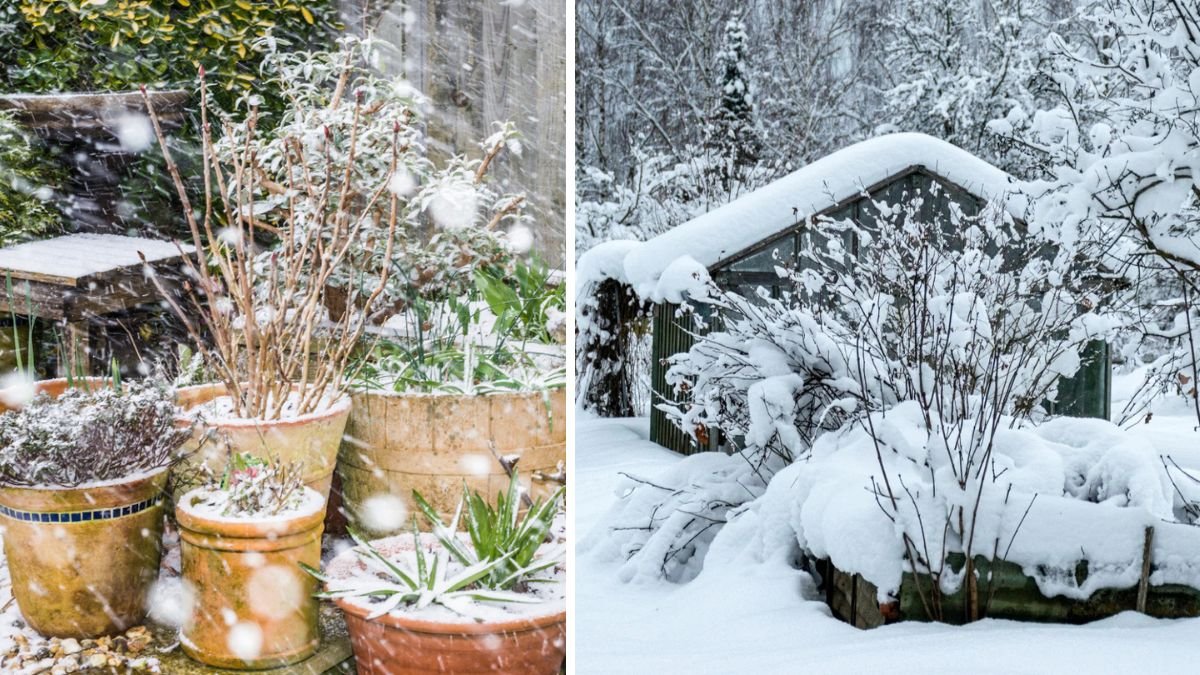

Maximize your garden efficiency this season with 11 late winter planning tricks. Save space, streamline tasks, and get a head start on spring planting with expert tips. [FOCUS KEYWORD]
URL Slug
late-winter-garden-planning-tricks-space-time
Late winter is a crucial but often overlooked time for gardeners. While the ground may still be cold and planting may not yet be possible, this is the perfect opportunity to plan, organize, and optimize your garden layout. Thoughtful late winter preparation can save hours of work, prevent overcrowding, and make your spring planting much more efficient.
With a little strategic planning now, you can maximize the productivity of your garden, minimize wasted space, and streamline seasonal tasks. This article outlines 11 practical late winter garden planning tricks that will help you save space and time while setting yourself up for a successful growing season.
Why Late Winter Garden Planning Matters
Planning in late winter provides a strategic advantage. During this time, gardeners can assess what worked last season, determine what didn’t, and design a layout that optimizes sun exposure, soil health, and crop rotation.
Rather than rushing into spring planting and improvising, taking the time to plan ensures:
- Better use of available space
- Less time spent on adjustments during the busy season
- Healthier plants due to thoughtful placement
- Reduced risk of overcrowding or pest issues
Gardening experts stress that winter is the best time to map out your garden, inventory tools, and establish a timeline for the upcoming season. This preparation pays off in saved time and increased yield. (AOL Lifestyle)
11 Tricks to Save Space and Time
1. Sketch Your Garden Layout
Start by drawing a rough layout of your garden beds, pathways, and key features. Indicate areas of full sun and partial shade, and note where tall plants will cast shadows. This visual plan helps prevent overcrowding and ensures efficient spacing. Planning ahead reduces the risk of having to move plants mid-season. (AOL Lifestyle)
2. Group Plants by Sunlight Needs
Arrange plants according to their sunlight requirements. Full-sun plants should occupy the brightest spots, while shade-tolerant varieties can go under taller crops or in areas with less light. This method saves time later, as plants won’t need to be relocated, and ensures all crops thrive. (Treeier)
3. Record Plant Performance from Last Year
Late winter is ideal for reviewing the previous season’s performance. Note which plants thrived, which struggled, and why. Recording this information in a garden journal allows you to avoid repeating mistakes, make smarter planting decisions, and optimize crop placement for better growth. (Lovely Garden Roots)
4. Plan for Vertical Gardening
Vertical gardening techniques, such as trellises, tiered racks, and hanging containers, help maximize limited space. By planning vertical plantings now, you can grow more crops in the same footprint and make efficient use of sunlight. This is particularly useful for small gardens or urban plots. (Sprout Helper)
5. Optimize Raised Beds and Containers
Raised beds and containers allow flexibility in garden design. Planning their placement ahead of time ensures optimal sun exposure and accessibility. Movable containers can be positioned closer to the house for easier maintenance, making the garden more efficient overall. (Mini Garden Spaces)
6. Create a Seed-Starting Schedule
Late winter is the ideal time to map out when and where seeds will be started indoors or in mini greenhouses. Create a calendar with sowing dates based on your region’s frost dates and plant germination times. This planning prevents last-minute seed starting rushes and ensures seedlings are ready for transplanting at the perfect time. (Growoya)
7. Clean and Sharpen Tools
Organize your tool shed, clean pots, and sharpen pruners. Late winter is the perfect time to inspect garden tools for wear or damage. Being prepared in advance saves time during planting season and ensures you don’t face unnecessary delays with dull or broken tools. (Homes & Gardens)
8. Plan Crop Rotation
Plan crop rotation zones to prevent soil depletion and reduce pest and disease buildup. Mark where each plant family was located the previous year and adjust placements to rotate crops strategically. This improves soil fertility and reduces the risk of recurring plant diseases. (Harvest to Table)
9. Design Paths and Access Points
Efficient garden paths save time and protect plants from accidental trampling. Sketching pathways now ensures that you can easily reach all garden areas for planting, watering, and harvesting. This also helps in arranging beds and vertical supports in a logical, accessible manner. (AOL Lifestyle)
10. Plan for Protective Structures
Decide where cold frames, cloches, or row covers will be placed. These structures extend the growing season and allow tender crops to thrive. By planning their locations in advance, you make efficient use of space and create microclimates that improve productivity. (Harvest to Table)
11. Prepare Mulch and Soil Improvements
Mulching stabilizes soil temperature, suppresses weeds, and reduces spring maintenance. Decide now where mulch and compost will be applied. Planning soil amendments in advance ensures nutrient-rich soil for early spring planting and saves time later. (Harvest to Table)
Bonus Tips for Efficient Winter Planning
Know Your Frost Dates
Mark the last expected frost date on a calendar to align your seed starting and planting schedule. This knowledge helps prevent wasted seedlings and ensures crops are planted at the right time.
Create a Garden Calendar
Turn your plan into a month-by-month schedule, including tasks like soil testing, fertilizing, pruning, and transplanting. A calendar keeps you organized and prevents forgotten tasks.
Authoritative Sources
For more expert advice and detailed planning guides, check these resources:
- AOL Lifestyle – Why Winter Is the Best Time to Rethink Your Garden Layout (aol.com)
- Treeier – Garden Planning Tips and Tricks (treeier.com)
- Harvest to Table – Winter Garden Prep Tips (harvesttotable.com)
- Sprout Helper – Winter Garden Layouts That Maximize Small Space (sprouthelper.com)
Final Thoughts
Late winter is the ideal planning period for gardeners who want to save time and maximize space. By sketching layouts, planning crop rotations, organizing tools, and designing vertical or raised-bed gardens, you can enter spring prepared and efficient.
The strategies outlined above will reduce stress, optimize your planting space, and ensure your garden is productive and enjoyable throughout the growing season. Begin planning now, and enjoy a more organized, space-efficient garden come spring.