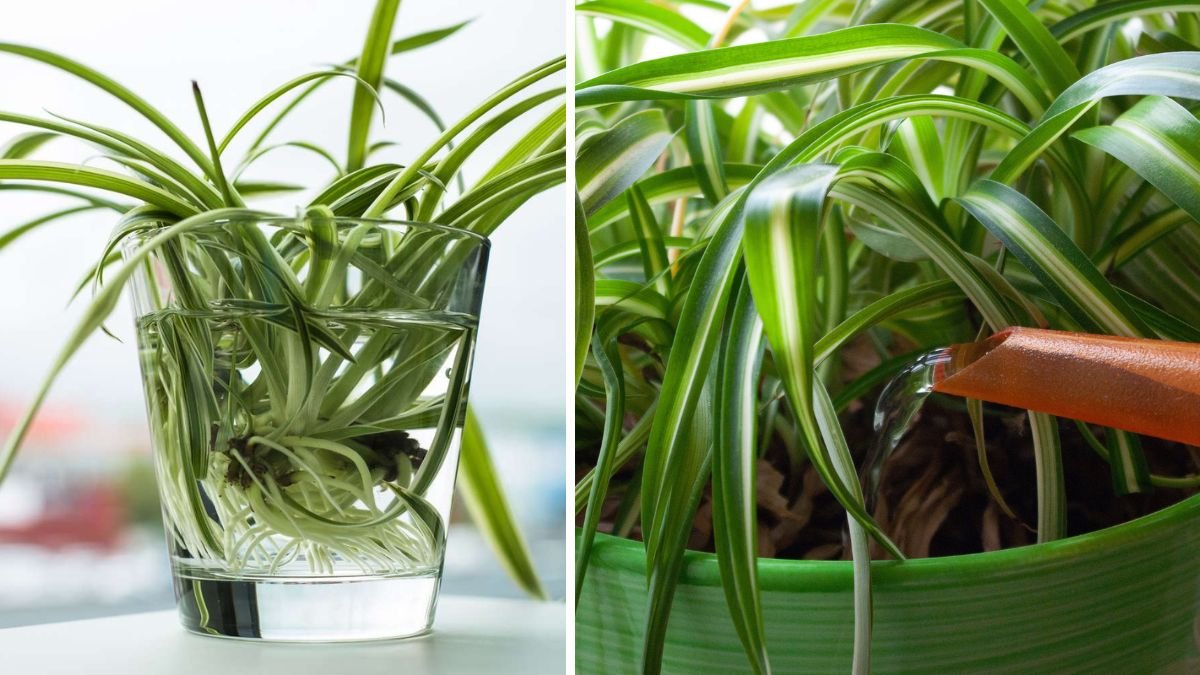

Learn how often to water a spider plant and avoid common watering mistakes. Follow 5 simple tips to keep your spider plant healthy and thriving all year long. [FOCUS KEYWORD]
Spider plants (Chlorophytum comosum) are some of the most popular houseplants thanks to their resilience, air-purifying qualities, and ease of care. Yet, one of the most frequent challenges for plant owners is knowing how often to water a spider plant. Too much water can cause root rot and yellow leaves, while too little can make the plant droop and develop brown tips. Understanding the correct watering routine is crucial for keeping your spider plant healthy and thriving.
This article provides 5 practical tips for watering spider plants, explains seasonal adjustments, and offers expert advice to ensure your plant stays lush and vibrant.
Why Proper Watering is Critical
A spider plant’s health depends largely on balanced watering. These plants prefer moist but well-draining soil. Overwatering can suffocate roots, leading to yellow leaves, root rot, and overall poor growth. On the other hand, underwatering leads to dry, crispy leaf tips and a droopy appearance.
Experts recommend checking the soil moisture rather than relying solely on a calendar schedule. This helps mimic the spider plant’s natural environment and ensures its roots receive consistent hydration without being waterlogged. (Gardener’s Supply)
5 Tips to Water Your Spider Plant the Right Way
1. Check the Soil Before Watering
Instead of watering on a strict schedule, assess whether your spider plant needs water by checking the soil. Insert your finger about 1–2 cm into the soil. If it feels dry at this depth, it’s time to water. Moist soil at this depth indicates the plant doesn’t need more water yet.
This simple check prevents overwatering and ensures the plant receives water only when necessary. Consistently monitoring soil moisture is more effective than watering based on a rigid weekly schedule. (PlantIn)
2. Water About Once Every 7–10 Days
Under average indoor conditions with bright, indirect light, spider plants usually need water once every 7–10 days. During spring and summer, when growth is more active, weekly watering is often sufficient. In cooler months, as the plant slows growth, watering can be reduced to every 2–3 weeks.
Adjusting your watering frequency according to growth rate helps avoid overwatering during slower growth periods. (PlantAddicts)
3. Water Thoroughly, Then Let Soil Dry
When watering, saturate the soil so that excess water drains from the pot’s bottom holes. This ensures all roots receive hydration. After watering, empty any water from saucers to prevent standing water, which can cause root rot.
Once thoroughly watered, allow the soil to dry slightly between sessions. This mimics natural cycles of rainfall and dry periods, keeping roots healthy. (PlantIn)
4. Adjust Frequency Based on Environment
Your spider plant’s watering needs vary depending on its environment:
- Light Exposure: More sunlight accelerates soil drying.
- Temperature and Humidity: Dry indoor air, especially from heaters in winter, may require slightly more frequent watering.
- Pot Type: Clay pots dry out faster than plastic or glazed pots.
Combine environmental observation with moisture checks for the most accurate watering schedule. (PlantIn)
5. Watch for Plant Signals
Spider plants often communicate their water needs through their leaves.
- Drooping leaves usually indicate underwatering.
- Yellow leaves can signal overwatering or poor drainage.
- Brown leaf tips may suggest inconsistent watering, low humidity, or chemical buildup from tap water.
Observing your plant regularly helps fine-tune your watering routine to its specific needs. (The Spruce)
Seasonal Watering Guide
Here’s a breakdown of recommended watering frequency based on seasonal growth:
| Season | Suggested Frequency | Notes |
|---|---|---|
| Spring–Summer | Every 7–10 days | Active growth; soil dries faster |
| Fall | Every 10–14 days | Slower growth; monitor moisture |
| Winter | Every 12–21 days | Minimal growth; soil dries slowly |
Use this as a guideline, but always check soil moisture before watering to avoid overwatering. (PlantAddicts)
Best Practices for Spider Plant Watering
Use Filtered or Rainwater
Spider plants can be sensitive to chlorine, fluoride, and salts in tap water. Brown leaf tips can indicate chemical buildup. Use rainwater, distilled water, or let tap water sit overnight to reduce chemical exposure. (PlantIn)
Ensure Proper Drainage
Always use pots with drainage holes. Standing water can suffocate roots and cause root rot. Using a well-draining potting mix also helps prevent overwatering issues. (Trucos Hogar y Jardín)
Avoid Constant Moisture
Spider plants do not like soggy soil. Allow the top layer to dry out between waterings to prevent fungal growth and root damage. (PlantIn)
Common Watering Mistakes
Even experienced plant owners can make these mistakes:
✔ Watering on a strict schedule without checking soil moisture
✔ Using very cold water, which can shock roots
✔ Letting the plant sit in standing water
✔ Failing to adjust for seasonal changes in humidity and temperature
Avoiding these pitfalls and observing your plant’s signals will help you create a watering routine tailored to its real needs. (PlantIn)
Signs Your Spider Plant is Thriving
A healthy, well-watered spider plant will show:
- Vibrant green leaves
- Minimal browning at the tips
- Steady growth and formation of new plantlets (“babies”)
- Strong root structure without waterlogged soil
Monitoring these signs helps maintain optimal care and ensures the plant’s longevity.
Authoritative Sources for Spider Plant Care
For further guidance, check these trusted resources:
- Gardener’s Supply Company – Spider Plant Care Guide (gardeners.com)
- PlantAddicts – Spider Plant Watering Tips (plantaddicts.com)
- Real Homes – Watering Frequency for Spider Plants (realhomes.com)
- Homes & Gardens – Houseplant Watering Best Practices (homesandgardens.com)
Conclusion
Watering is one of the most important aspects of spider plant care. Instead of relying solely on a fixed schedule, observe your plant, check soil moisture, and consider environmental factors. Following these 5 tips ensures that your spider plant receives the right amount of water, stays healthy, and grows beautifully all year round.
By combining seasonal adjustments, proper drainage, and careful monitoring, even new plant parents can enjoy lush, vibrant spider plants that purify the air and add a touch of greenery to any indoor space.