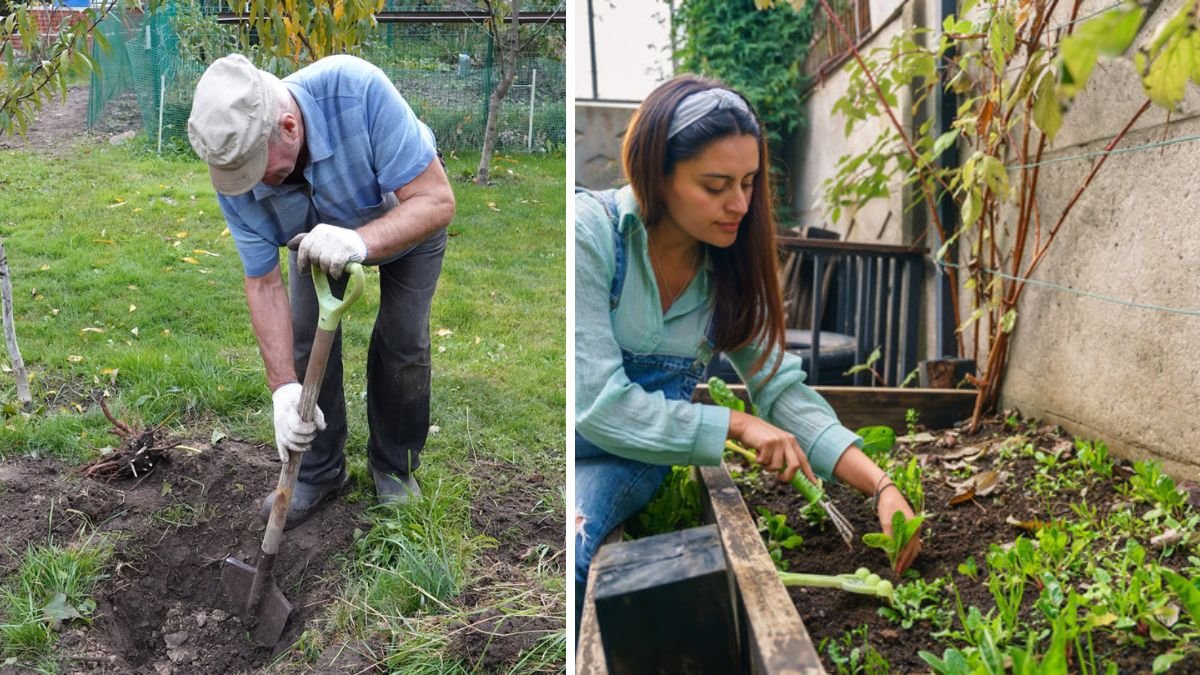

Introduction: Embrace Modern Gardening Wisdom
Gardening traditions have been passed down through generations, often with the best of intentions. However, not all old-school practices align with what modern science tells us about soil biology, plant health, and sustainable landscaping. Many long-held habits, while seemingly “essential,” can actually harm plants, stress the soil, or increase unnecessary work.
Updating your approach to gardening can result in healthier, more resilient gardens that require less effort. Below, we explore 12 old-school gardening habits it’s time to let go of, explaining why they’re outdated and providing modern alternatives backed by research and expert advice. (aol.com)
1. Raking and Bagging Every Fallen Leaf
Traditionally, gardeners removed all leaves from lawns and beds, often burning or bagging them to maintain a “tidy” appearance. In reality, leaves are a valuable source of organic matter, feeding soil life, protecting roots, and providing habitat for insects and beneficial microorganisms over the winter.
Stop Doing: Removing every leaf.
Do Instead: Shred leaves with a mower and leave them under shrubs, around trees, or use them to create leaf mold — a nutrient-rich, natural mulch. This enhances soil fertility and water retention. (aol.com)
2. Cutting Every Perennial to the Ground in Fall
Old guidance advised cutting back all perennials as soon as blooms faded. Yet standing stems provide habitat and food for wildlife, protect soil from erosion, and trap snow for natural insulation.
Stop Doing: Removing all dead stems in autumn.
Do Instead: Leave some stems standing until late spring. You’ll support pollinators, overwintering insects, and maintain soil protection. (aol.com)
3. Treating the Lawn Like a Short, Weed-Free Carpet
Scalping grass short and eliminating all clover, dandelions, and other plants has long been considered ideal. Modern research shows this practice stresses grass, encourages shallow roots, and requires constant watering and fertilizer.
Stop Doing: Mowing extremely low and using herbicides to eliminate “weeds.”
Do Instead: Allow grass to grow 3–4 inches tall. Consider pollinator-friendly lawn mixes to support biodiversity and build deep, drought-tolerant roots. (aol.com)
4. Blanket-Spraying Pesticides
Routine pesticide application, whether scheduled or triggered by minor insect activity, kills beneficial insects and pollinators while disrupting natural pest control systems.
Stop Doing: Spraying indiscriminately.
Do Instead: Scout the garden first, identify problem pests, and use targeted, ecosystem-friendly solutions like companion planting, natural predators, or insecticidal soaps. (aol.com)
5. Double-Digging or Rototilling Every Spring
Deep digging or rototilling was once standard for preparing beds. Today, we know it disrupts soil structure, destroys beneficial fungi and worms, and accelerates organic matter loss.
Stop Doing: Turning over the entire garden deeply every spring.
Do Instead: Adopt no-dig gardening. Apply compost and mulch on the surface, and let soil life naturally aerate and enrich the soil over time. (en.wikipedia.org)
6. Automatically Adding Peat
Peat moss has been widely used to improve soil water retention. Yet harvesting peat releases carbon dioxide and destroys unique ecosystems.
Stop Doing: Using peat indiscriminately.
Do Instead: Use sustainable alternatives like coco coir, perlite, or well-rotted compost, which improve soil without harming the environment. (aol.com)
7. Relying on Landscape Fabric
Landscape fabric was once promoted as a long-term solution to weeds, but it often restricts soil aeration and water penetration, and eventually gets clogged with debris.
Stop Doing: Installing fabric under mulch indefinitely.
Do Instead: Use organic mulches or cardboard as weed suppression. These materials enrich soil while still controlling weeds effectively. (aol.com)
8. Topping Trees
Topping large trees to reduce height creates weak, unhealthy growth and leaves large wounds prone to disease.
Stop Doing: Arbitrarily cutting large branches off the top.
Do Instead: Hire a professional arborist for crown reduction or selective pruning, preserving tree health, structure, and safety. (aol.com)
9. Using Treated Railroad Ties or Creosote Wood
Reusing old railroad ties in garden beds is unsafe, as creosote chemicals can leach into soil, contaminating edible crops.
Stop Doing: Building beds with chemically treated wood.
Do Instead: Use rot-resistant wood like cedar or metal, stone, or bricks, which are safe and long-lasting. (aol.com)
10. Watering in Late Evening
Evening watering leaves foliage wet overnight, promoting fungal diseases and slug activity.
Stop Doing: Watering lawns or beds late in the day.
Do Instead: Water early in the morning at the soil line, allowing plants to absorb moisture while leaves dry quickly. Soaker hoses are ideal for reducing surface wetness. (aol.com)
11. Mulch Volcanoes Around Trees
Piling mulch against tree trunks traps moisture, invites pests, and causes rot.
Stop Doing: Creating thick mulch mounds around trunks.
Do Instead: Spread mulch 2–4 inches deep in a donut shape around the root zone, keeping the trunk flare visible for airflow and health. (aol.com)
12. Planting Aggressive Groundcovers
Fast-spreading groundcovers like English ivy may suppress weeds but often become invasive, harming native plants.
Stop Doing: Planting invasive species without research.
Do Instead: Use clump-forming, non-invasive groundcovers like creeping phlox, thyme, or native wildflowers for safe, low-maintenance coverage. (aol.com)
Why Updating Your Habits Matters
Modern gardening emphasizes working with nature, not against it. Practices that preserve soil life, attract pollinators, and reduce chemical inputs create resilient, low-maintenance gardens. Letting go of outdated routines also reduces unnecessary work while supporting biodiversity and climate-friendly gardening. (rhs.org.uk)
Authoritative Sources
- AOL – 12 Old-School Gardening Habits It’s Time to Let Go Of (aol.com)
- Royal Horticultural Society – Gardening Myths Debunked (rhs.org.uk)
- AARP – Gardening Myths Debunked (aarp.org)
Conclusion
Letting go of these 12 old-school gardening habits it’s time to let go of can transform your garden into a healthier, easier-to-maintain, and environmentally friendly space. By embracing modern gardening practices — from no-dig beds and eco-friendly mulch to selective pruning and smart watering — your garden thrives while supporting soil life, pollinators, and sustainable landscapes. Updating your habits not only saves time but ensures that every season brings vibrant, resilient growth.
Meta Details:
- Title Tag: 12 Old-School Gardening Habits It’s Time to Let Go Of
- Meta Description: Discover 12 old-school gardening habits it’s time to let go of to improve soil health, reduce work, and create thriving, sustainable gardens.
- Focus Keyword: 12 old-school gardening habits it’s time to let go of
- URL Slug: 12-old-school-gardening-habits-its-time-to-let-go-of