
Introduction: Why the ZZ Plant Is So Popular
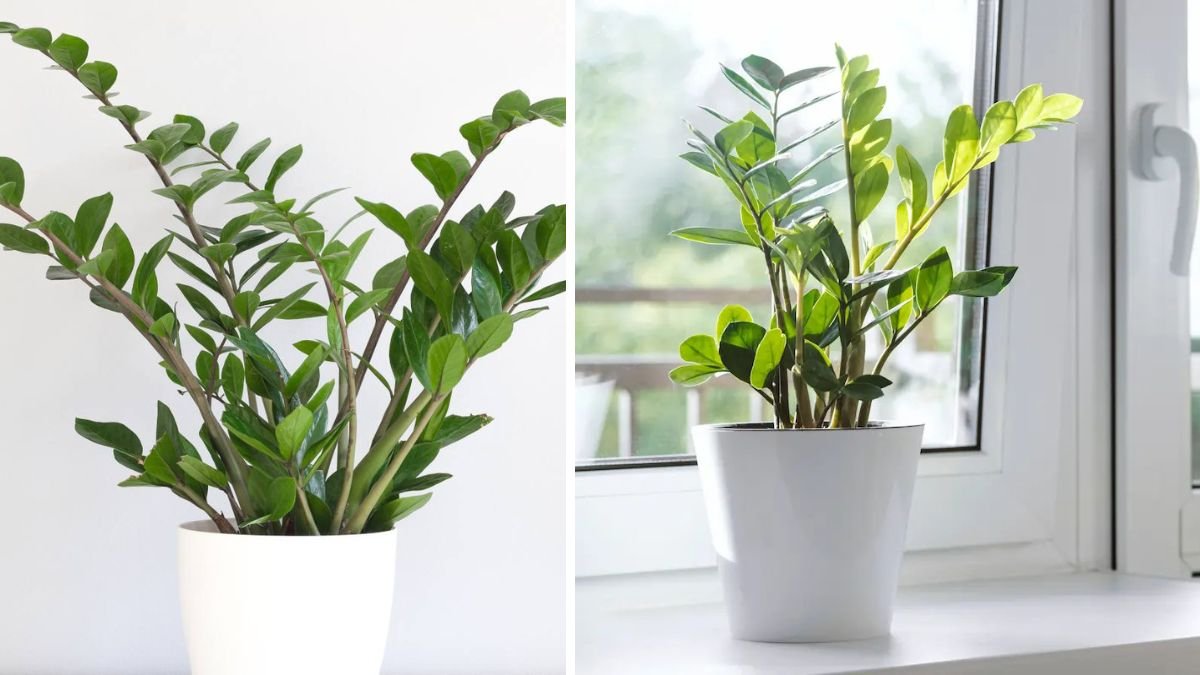
The ZZ plant (Zamioculcas zamiifolia) has become one of the most popular indoor plants in recent years. Known for its glossy, architectural foliage and easy-going nature, the ZZ plant is ideal for homes and offices. It thrives on minimal care, tolerates low light, and can survive irregular watering, making it perfect for beginners or anyone with a busy lifestyle. Beyond its aesthetic appeal, it can improve indoor air quality and bring a touch of greenery to spaces that lack natural sunlight. (gardeningknowhow.com)
Its thick rhizomes store water, allowing the plant to endure drought-like conditions — making overwatering the most common threat to its health. The ZZ plant’s adaptability and low-maintenance care routine explain its rise as a go-to indoor plant in 2026. (timesofindia.indiatimes.com)
Light Requirements
One of the ZZ plant’s greatest strengths is its adaptability to light conditions. While it thrives in medium to bright indirect light, it also tolerates low-light areas — a feature that makes it perfect for offices, bathrooms, or rooms with small windows.
- Avoid direct sunlight to prevent leaf scorching and faded foliage.
- If stems become leggy, your plant may need more light. Rotate it periodically to ensure even exposure on all sides.
Even fluorescent lighting can sustain healthy growth, which makes the ZZ plant an excellent choice for indoor environments lacking strong natural sunlight. (gardendesign.com)
Watering: Less Is More
The ZZ plant stores water in its underground rhizomes, so overwatering is a much bigger threat than underwatering. Signs of overwatering include yellowing leaves, soft stems, or root rot.
Watering Guidelines:
- Water only when the top 2–3 inches of soil are dry.
- Typically, watering every 2–4 weeks is sufficient for indoor conditions.
- Reduce watering in winter or low-light conditions.
ZZ plants can survive long periods without water, making them ideal for busy plant owners. (floravines.com)
Soil and Potting
ZZ plants prefer well-draining soil to avoid root rot:
- Use a cactus or succulent potting mix.
- Mix in perlite or coarse sand to improve drainage.
- Choose a pot with drainage holes.
ZZ plants like to be slightly root-bound, so repotting is typically necessary only every 2–3 years, or when roots appear at the bottom of the pot. (growurban.uk)
Temperature and Humidity
ZZ plants are tropical, but they adapt well to typical indoor conditions:
- Ideal temperature: 65–75°F (18–24°C)
- Avoid temperatures below: ~50°F (10°C)
- Tolerates average indoor humidity but occasional misting can enhance leaf shine.
Keep your ZZ plant away from cold drafts or heat sources to maintain consistent growth. (healthyhouseplants.com)
Fertilization
Although not a heavy feeder, occasional fertilization helps maintain vibrant foliage:
- Use a balanced liquid fertilizer at half strength.
- Feed during the growing season (spring through early autumn).
- Skip fertilization in winter when growth slows.
Fertilizing every 4–6 weeks is sufficient for optimal health without risk of fertilizer burn. (thegardenfixes.com)
Pruning and Grooming
Routine grooming helps your ZZ plant look its best:
- Remove yellowing, damaged, or dead leaves.
- Wipe leaves with a damp cloth to remove dust and enhance photosynthesis.
- Wear gloves when pruning, as ZZ plants contain toxic compounds that can irritate skin.
Pruning also improves airflow and encourages healthy, new growth. (gardeningknowhow.com)
Propagation
ZZ plants can be propagated using several methods, although growth is slow:
- Division: Separate rhizomes when repotting.
- Stem cuttings: Root cut stems in soil or water.
- Leaf cuttings: Leaves can eventually grow into new plants with patience.
Propagation allows you to expand your indoor garden or share plants with friends. (gardendesign.com)
Common Problems and Solutions
Yellow Leaves
Caused by overwatering. Let the soil dry completely before watering again.
Leggy Growth
Too little light can cause stems to elongate. Move the plant to a brighter area with indirect light.
Root Rot
Occurs in poorly drained soil or frequent watering. Repot in fresh, well-draining soil immediately.
Pests
ZZ plants are rarely affected, but mealybugs or scale may appear. Treat with insecticidal soap. (floravines.com)
Safety Considerations
All parts of the ZZ plant are toxic if ingested due to calcium oxalate crystals. Keep it out of reach of pets and children and wash your hands after handling. (gardendesign.com)
Tips for Thriving ZZ Plants
- Rotate your plant for even light exposure.
- Let soil dry completely between waterings.
- Use well-draining soil to prevent root rot.
- Avoid low-quality pots without drainage.
- Fertilize lightly during growth months.
- Remove dust from leaves for optimal photosynthesis.
Authoritative Sources
- Gardening Know How – ZZ Plant Care: Step-by-step guidance on light, water, soil, and propagation. (gardeningknowhow.com)
- HouseplantPal – ZZ Plant Care: Detailed care and troubleshooting tips. (houseplantpal.com)
- Healthy Houseplants – ZZ Plant Growing Tips: Best soil, light, and watering practices. (healthyhouseplants.com)
- Times of India – How to Grow a ZZ Plant: Indoor air-purifying benefits and care. (timesofindia.indiatimes.com)
Feature Image Concept
Visual idea: A ZZ plant with glossy green foliage placed in a modern living room with indirect sunlight. Include a close-up of the thick stems and shiny leaves, highlighting the plant’s structure and resilience.
Conclusion
The ZZ plant is one of the easiest indoor plants to grow and maintain, combining low-maintenance care, visual appeal, and adaptability. With the right balance of indirect light, careful watering, well-draining soil, and occasional fertilization, your ZZ plant can thrive indoors for years. Whether you’re a beginner or a seasoned plant parent, the ZZ plant is a versatile, elegant addition to any home or office.
Meta Details:
- Title Tag: ZZ Plant Care: How to Grow This Popular Plant and Help It Thrive Indoors
- Meta Description: Expert tips on ZZ plant care to help your plant thrive indoors. Includes light, water, soil, fertilizing, and troubleshooting guidance.
- Focus Keyword: ZZ Plant Care: How to Grow This Popular Plant and Help It Thrive Indoors
- URL Slug: zz-plant-care-how-to-grow-this-popular-plant-thrive-indoors