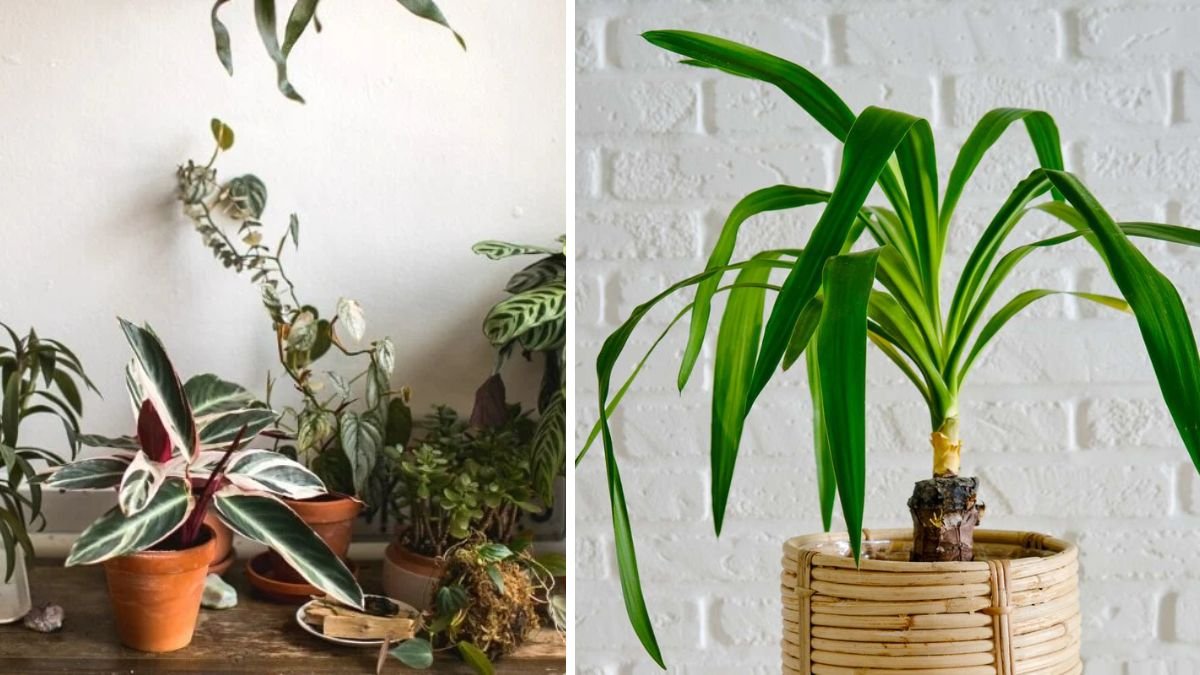

Not every home is blessed with bright, sun-drenched windows—and that’s perfectly okay. According to experienced growers, many popular houseplants actually prefer low to medium indirect light and struggle when placed in harsh sunlight. If you’ve been moving plants around trying to “catch the sun,” it may be time to rethink your strategy.
Rooms without direct light can still be lush, green, and inviting. The key is choosing plants that naturally thrive on forest floors, shaded understories, or filtered light. Below, growers share 15 reliable indoor plants that grow beautifully without direct sunlight, plus tips to help them flourish.
Understanding Low-Light Indoor Conditions
Low-light doesn’t mean no light at all. It usually refers to rooms with:
- North-facing windows
- Windows blocked by buildings or trees
- Bright artificial lighting but minimal natural sun
Plants adapted to these conditions tend to have darker leaves, slower growth, and efficient photosynthesis. Placing sun-loving plants in these spaces often leads to weak growth and disappointment—but the right low-light plants will thrive.
1. Snake Plant (Sansevieria)
Snake plants are legendary for their toughness. Growers praise them for thriving in low light, irregular watering, and dry indoor air.
They grow slowly in dim rooms but remain upright and healthy. Bonus: they’re excellent air purifiers and nearly impossible to kill.
2. ZZ Plant (Zamioculcas zamiifolia)
If you want a plant that truly doesn’t care about light, the ZZ plant is a top pick. Its glossy leaves store water, allowing it to survive in low-light rooms with minimal attention.
Growers recommend ZZ plants for offices, hallways, and bedrooms with little natural light.
3. Pothos
Pothos is one of the most adaptable houseplants available. While it grows faster in brighter light, it tolerates low light extremely well, especially green varieties.
In darker rooms, growth slows, but the plant remains healthy and trailing, making it perfect for shelves or hanging planters.
4. Cast Iron Plant (Aspidistra elatior)
True to its name, the cast iron plant is built to last. Growers often recommend it for rooms with poor lighting and inconsistent care.
Its broad, dark green leaves handle shade exceptionally well and maintain their color even in dim corners.
5. Parlor Palm
Parlor palms evolved as understory plants, making them ideal for indirect light. They prefer steady conditions and reward patience with elegant, arching fronds.
Growers caution against direct sunlight, which can scorch the leaves.
6. Peace Lily
Peace lilies adapt well to low-light rooms and clearly signal when they need water by drooping slightly. While brighter light encourages more blooms, the foliage stays lush even without direct sun.
They’re also known for improving indoor air quality.
7. Chinese Evergreen (Aglaonema)
Chinese evergreens are a grower favorite for shaded spaces. Many varieties tolerate very low light while still displaying attractive leaf patterns.
They prefer warmth and even moisture, making them perfect for living rooms and offices.
8. Philodendron
Heartleaf philodendrons and similar varieties thrive in indirect or low light. Their vining habit makes them versatile for shelves, bookcases, and hanging planters.
Growers recommend them for beginners because they’re forgiving and resilient.
9. Spider Plant
Spider plants handle low light better than many people realize. While they prefer bright indirect light, they still grow well in shaded rooms and produce their signature arching leaves.
They’re especially useful in bedrooms and bathrooms with filtered light.
10. Dracaena
Many dracaena varieties tolerate low light and grow slowly in darker rooms. Their upright form makes them ideal for corners that need greenery without frequent maintenance.
Avoid placing them in direct sunlight, which can cause leaf scorch.
11. Maidenhair Fern (With Care)
While ferns are more demanding, maidenhair ferns can adapt to low-light rooms if humidity is adequate. Growers recommend them for bathrooms or kitchens where moisture levels are higher.
Consistent watering is key.
12. Dieffenbachia
Dieffenbachia handles medium to low light well and provides bold, tropical foliage. In lower light, leaf color may be slightly less vibrant, but growth remains steady.
Keep it away from cold drafts for best results.
13. English Ivy
English ivy thrives in cooler rooms with indirect or low light. It’s excellent for shelves and hanging baskets, adding a soft, trailing effect.
Growers recommend regular pruning to keep growth tidy.
14. Rubber Plant (Low-Light Tolerant Varieties)
While rubber plants prefer brighter light, darker-leaf varieties can adapt to lower light conditions. Growth will be slower, but the plant remains strong and attractive.
Rotate occasionally to maintain even growth.
15. Lucky Bamboo
Lucky bamboo isn’t a true bamboo, but it thrives in low-light indoor spaces. Growers often recommend it for desks, bathrooms, and shaded rooms.
It grows well in water or soil and requires very little maintenance.
Tips for Success in Low-Light Rooms
Growers emphasize a few key care rules:
- Avoid overwatering—plants in low light use water slowly
- Dust leaves regularly to improve light absorption
- Rotate plants occasionally for balanced growth
- Be patient—growth is naturally slower
Artificial grow lights can help, but many of these plants thrive without them.
Final Thoughts
You don’t need sun-filled windows to enjoy beautiful indoor plants. By choosing varieties that naturally thrive in low-light environments, you can stop chasing sunbeams and start enjoying stress-free greenery.
According to growers, the plants on this list are proven performers—resilient, adaptable, and perfect for rooms where direct sunlight never reaches. With minimal care and realistic expectations, even the shadiest spaces can feel vibrant and alive