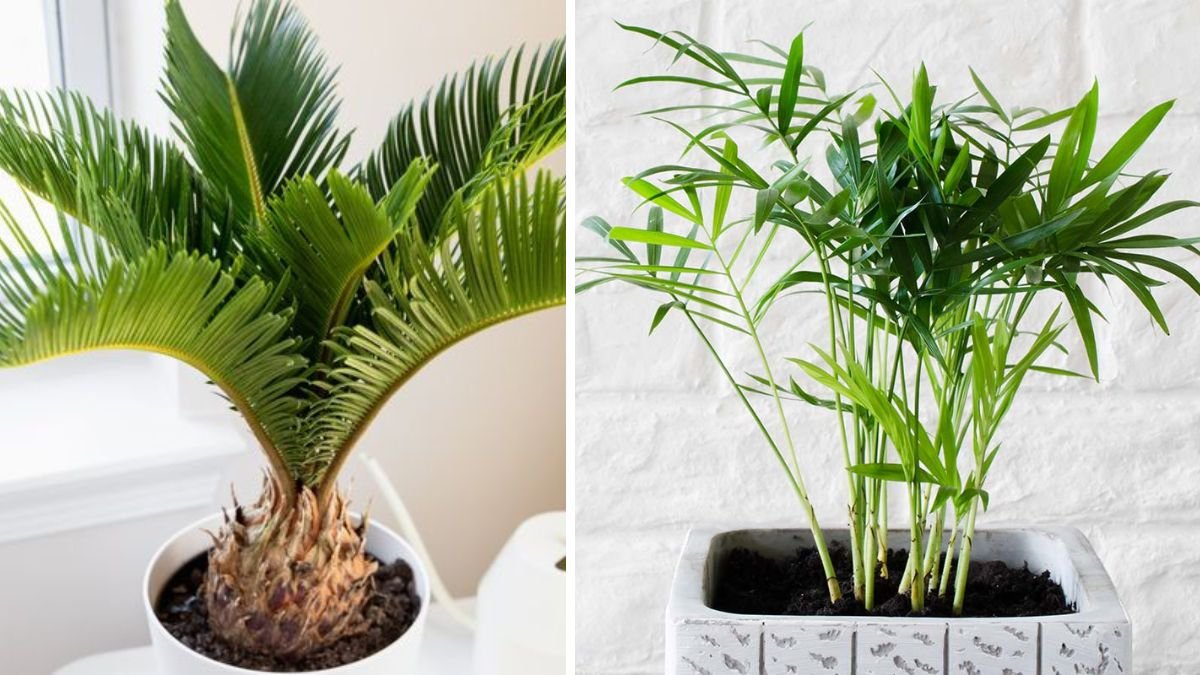

Indoor palm plants bring an instant sense of calm, elegance, and tropical charm to any space. Whether it’s a parlor palm, areca palm, kentia palm, or majesty palm, these graceful plants soften interiors and improve air quality while making your home feel more alive.
Despite their popularity, many people struggle with indoor palm care. Browning tips, yellow leaves, or slow growth often lead owners to think palms are “difficult,” when in reality they just need the right balance of light, water, humidity, and patience. This foolproof guide breaks everything down step by step, helping you care for your indoor palm with confidence—no green thumb required.
Understanding Indoor Palm Plants
Most indoor palms originate from tropical or subtropical regions, where they grow under forest canopies in warm, humid conditions. This means they generally prefer bright but indirect light, evenly moist soil, and moderate humidity.
Unlike fast-growing houseplants, palms grow slowly and dislike frequent disturbance. Once you understand their natural environment, caring for them indoors becomes much easier.
Light: Bright but Indirect Is Best
Light is one of the most important factors in indoor palm health. Most palm varieties thrive in bright, indirect sunlight. A spot near an east- or north-facing window is often ideal.
Too much direct sun can scorch leaves, causing brown or yellow patches, while too little light leads to weak growth and sparse fronds. If your palm’s leaves are stretching or fading, it’s likely not getting enough light. Rotate the plant every few weeks to ensure even growth on all sides.
Watering: Consistency Over Quantity
Improper watering is the most common cause of indoor palm problems. Palms prefer soil that is consistently moist but never soggy.
Water your palm when the top 1–2 inches of soil feel dry. Water thoroughly until excess drains out the bottom, then discard any standing water. Letting palms sit in waterlogged soil can quickly lead to root rot.
During winter, when growth slows, reduce watering slightly. Always adjust your schedule based on temperature, light, and pot size rather than sticking to a strict routine.
Choosing the Right Soil and Pot
Palms need well-draining soil that retains some moisture without becoming compacted. A high-quality indoor potting mix combined with perlite or sand works well.
Always use a pot with drainage holes. Decorative pots without drainage should only be used as outer containers, with the palm planted in a removable inner pot. This simple step prevents many watering-related issues.
Humidity: The Secret to Lush Fronds
Most indoor palms prefer moderate to high humidity. Dry indoor air—especially during winter—can cause brown leaf tips and edges.
To boost humidity:
- Mist leaves lightly a few times a week
- Place a tray of water and pebbles beneath the pot
- Group plants together
- Use a humidifier if needed
Keeping palms away from heating vents, radiators, and air conditioners also helps prevent moisture loss.
Temperature: Keep It Warm and Stable
Indoor palms thrive in temperatures between 65–80°F (18–27°C). They dislike cold drafts and sudden temperature changes.
Avoid placing palms near doors, drafty windows, or cold floors. Even brief exposure to cold air can cause leaf damage that won’t recover.
Fertilizing: Less Is More
Palms are light feeders and don’t need frequent fertilizing. Overfeeding can cause leaf burn and salt buildup in the soil.
Feed your palm with a balanced liquid fertilizer or palm-specific formula every 4–6 weeks during spring and summer. Stop fertilizing in fall and winter when growth slows.
Flushing the soil with plain water every few months helps remove excess salts and keeps roots healthy.
Pruning and Grooming
Indoor palms don’t need heavy pruning. Remove only fully brown or dead fronds, cutting them close to the base with clean scissors or pruners.
Avoid trimming leaf tips unless they’re completely brown, as cutting into green tissue can stress the plant. Regularly wiping leaves with a damp cloth helps remove dust and improves photosynthesis.
Repotting: Only When Necessary
Palms prefer to be slightly root-bound and don’t like frequent repotting. Most indoor palms only need repotting every two to three years.
Signs it’s time to repot include roots growing out of drainage holes, rapid drying of soil, or noticeably slowed growth. When repotting, move up just one pot size and handle the roots gently.
Common Indoor Palm Problems (and Easy Fixes)
Brown tips: Usually caused by low humidity, inconsistent watering, or excess fertilizer
Yellow leaves: Often linked to overwatering or poor drainage
Drooping fronds: Can indicate underwatering, low light, or temperature stress
Pests: Spider mites and mealybugs are common; treat early with insecticidal soap
Most issues can be corrected by adjusting care rather than drastic measures.
Popular Indoor Palm Varieties and Care Notes
- Parlor Palm: Low-light tolerant and great for beginners
- Areca Palm: Bright light and higher humidity preferred
- Kentia Palm: Slow-growing, elegant, and very forgiving
- Majesty Palm: Needs more light and consistent moisture
Knowing your palm type helps fine-tune care, but the basics remain the same.
Final Thoughts
Indoor palm plants may look exotic, but they’re far less demanding than they appear. With bright indirect light, consistent watering, good drainage, and a little humidity, palms reward you with graceful growth and long-lasting beauty.
Follow this foolproof care guide, and your indoor palm won’t just survive—it will thrive, bringing a relaxed, tropical feel to your home all year long