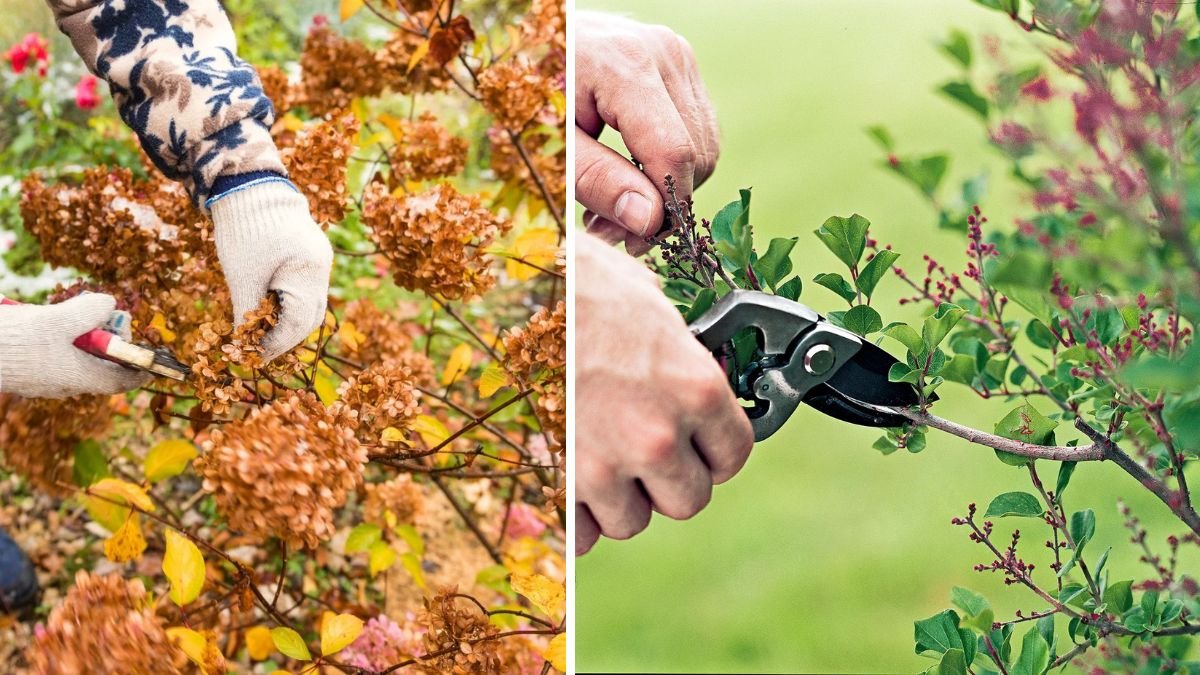

Fall is a transitional time in the garden. Leaves change color, temperatures drop, and many plants enter dormancy. While it’s tempting to tidy up everything before winter, not all plants should be pruned in the fall. According to horticulture experts, pruning at the wrong time can reduce blooms, invite disease, or leave plants vulnerable to cold damage.
Understanding which plants benefit from fall pruning—and which should wait until spring—can help you maintain a healthy, thriving garden year after year. Here’s a guide to six plants you should prune in the fall, three you can safely skip, and tips for doing it right.
Why Prune in the Fall?
Pruning in the fall offers several advantages for certain species:
- Removes dead or diseased wood: Reduces the chance of winter pathogens.
- Shapes plants before winter: Helps manage size and structure.
- Promotes early spring growth: Some plants respond with stronger new shoots in spring.
Experts note, however, that pruning stimulates growth. Pruning the wrong plant in fall can encourage tender new shoots that freeze in winter, causing damage.
6 Plants You Should Prune in the Fall
1. Roses (Certain Types)
Why fall pruning helps:
- Removes dead, diseased, or crossing canes
- Reduces wind damage during winter storms
Expert advice:
- Focus on lightly pruning hybrid teas and floribundas to tidy structure
- Avoid heavy pruning on climbers or repeat bloomers; wait until spring
Fall pruning keeps roses neat and healthy without stimulating vulnerable new growth.
2. Grapevines
Why fall pruning helps:
- Removes last year’s growth to prepare for fruit production
- Reduces disease by removing old, unproductive wood
Pruning tips:
- Cut back lateral shoots, leaving main canes intact
- Remove any diseased, dead, or crossing branches
Experts emphasize that pruning grapevines in fall ensures better airflow and stronger fruiting wood for the next season.
3. Hydrangeas (Certain Varieties)
Why fall pruning helps:
- Bigleaf and panicle hydrangeas benefit from removing spent blooms and dead stems
- Prepares shrubs for winter without reducing next year’s flower buds
Important:
- Do not prune mophead hydrangeas that bloom on old wood—they should wait until after flowering in summer.
Trim lightly to maintain shape, remove damaged branches, and promote healthy winter dormancy.
4. Deciduous Shrubs
Examples: Forsythia, Viburnum, Dogwood
Why fall pruning helps:
- Removes weak or diseased branches before winter
- Shapes the shrub for spring blooms
Expert tips:
- Focus on thinning crowded centers for better air circulation
- Avoid heavy pruning that would stimulate new growth late in the season
For these shrubs, a fall trim sets the stage for a stronger spring display.
5. Fruit Trees
Why fall pruning helps:
- Eliminates dead or damaged branches
- Reduces risk of disease over winter
Expert advice:
- Limit cuts to dead, crossing, or diseased wood
- Avoid heavy structural pruning—major shaping is better in late winter or early spring
Fall pruning of fruit trees protects them during dormancy while preparing them for vigorous spring growth.
6. Ornamental Grasses (Cutting Back)**
Why fall pruning helps:
- Removes dead foliage to prevent disease and maintain garden tidiness
- Makes way for new spring growth
How to prune:
- Cut grasses down to a few inches above the ground
- Remove debris to prevent pests
Experts note that cutting ornamental grasses in late fall or early winter improves the appearance of the garden and encourages healthy new shoots in spring.
3 Plants You Can Skip Pruning in the Fall
1. Spring-Flowering Bulbs
Examples: Tulips, Daffodils, Hyacinths
Why not prune in fall:
- Leaves need to remain after flowering to store energy in the bulb
- Cutting too early weakens next year’s bloom
Expert tip:
- Allow foliage to die back naturally before removing it
Fall pruning bulbs is unnecessary and can actually harm long-term flowering success.
2. Trees That Bloom on Old Wood
Examples: Lilacs, Azaleas, Dogwoods (certain varieties)
Why not prune in fall:
- Pruning now removes buds that will produce next spring’s flowers
- Stimulates tender growth vulnerable to frost
Expert advice:
- Wait until after flowering in spring for these plants
- Minimal fall cleanup is okay, but avoid shaping cuts
3. Tender Perennials
Examples: Basil, Coleus, Impatiens
Why not prune in fall:
- These plants are sensitive to cold and will not survive winter in most climates
- Cutting them back provides no benefit
Expert alternative:
- Bring tender perennials indoors if possible
- Otherwise, let them die back naturally and plan to replant in spring
General Fall Pruning Tips
Experts recommend these best practices for fall pruning:
- Use clean, sharp tools: Prevents disease spread and makes clean cuts
- Remove dead or diseased wood first: Focus on health over aesthetics
- Avoid heavy pruning: Late-season pruning can stimulate growth susceptible to frost
- Consider plant type: Know whether the plant blooms on old or new wood before cutting
- Mulch after pruning: Protects exposed roots and remaining stems during winter
Proper fall pruning combines tidiness, health, and preparation for spring growth.
Benefits of Correct Fall Pruning
When done correctly, fall pruning:
- Reduces winter damage from heavy snow or ice
- Improves air circulation, reducing fungal issues
- Maintains desired plant shape
- Prepares the plant for vigorous spring growth
Experts emphasize that strategic pruning in fall is both preventative and preparative, not just cosmetic.
Final Thoughts
Fall pruning isn’t a one-size-fits-all task. According to horticulture experts, pruning at the right time for the right plants promotes health, strong growth, and abundant spring blooms. By focusing on the six plants that benefit from fall pruning—roses, grapevines, certain hydrangeas, deciduous shrubs, fruit trees, and ornamental grasses—and skipping those that don’t, you can protect your garden, reduce winter damage, and set your landscape up for success.
Careful observation, proper technique, and attention to plant-specific needs make fall pruning a valuable practice rather than a risky chore. With these guidelines, gardeners can enjoy a well-maintained, thriving garden year-round.