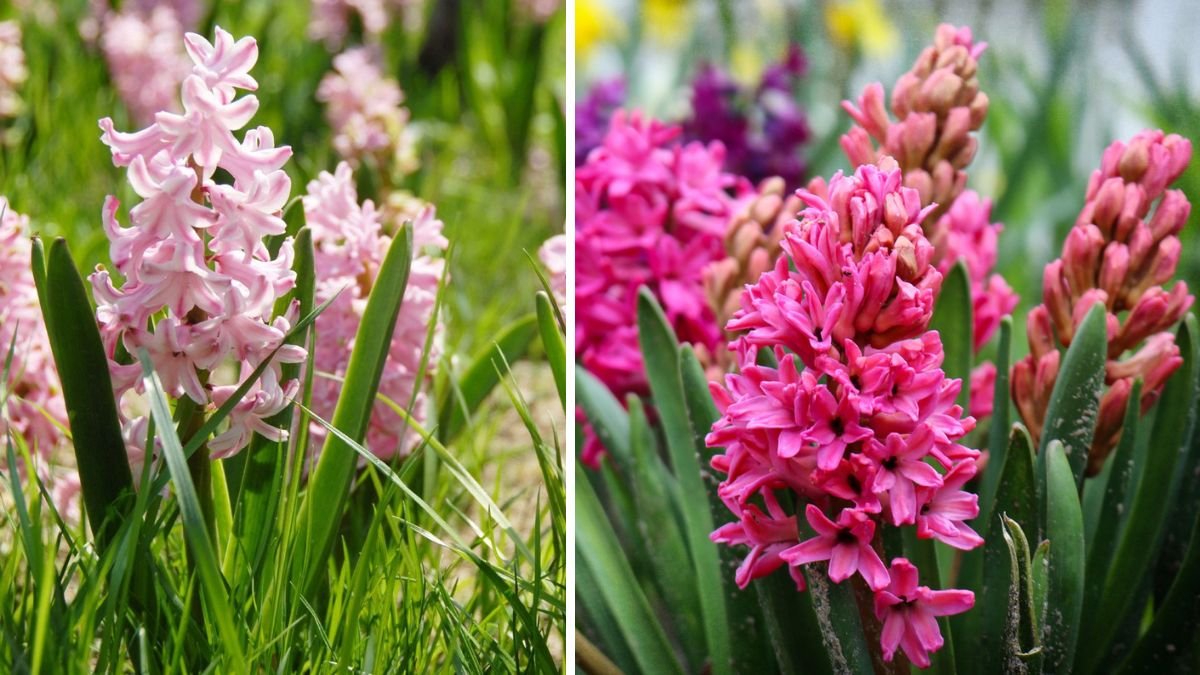

Hyacinths are beloved for their vibrant colors and intoxicating fragrance, making them a must-have for spring gardens. However, gardeners often make avoidable mistakes when planting these bulbs, which can lead to weak growth, poor flowering, or even failure to emerge the following year. According to horticulture experts, understanding the common pitfalls and following proper planting techniques ensures healthy, fragrant blooms year after year.
This guide highlights the most frequent mistakes gardeners make when planting hyacinths and provides practical strategies to avoid them.
Understanding Hyacinths
Before discussing mistakes, it’s helpful to understand the plant. Hyacinths (Hyacinthus orientalis) are spring-blooming bulbs native to the eastern Mediterranean. They produce dense spikes of fragrant flowers in shades of purple, pink, white, and blue. Hyacinths grow from bulbs planted in the fall, requiring a cold period to bloom successfully in spring.
Experts note that their short growing season and bulb sensitivity make proper planting crucial.
Mistake 1: Planting Bulbs Too Shallow
One of the most common mistakes is planting hyacinths too close to the soil surface.
Why it matters:
- Shallow planting exposes bulbs to temperature fluctuations and drying out.
- Bulbs may shift, reducing root development.
Expert advice:
- Plant bulbs at a depth of 6–8 inches, or approximately three times the height of the bulb.
- Ensure the pointed tip faces upward for optimal sprouting.
Proper depth protects the bulb and ensures strong root growth, resulting in healthier flowers.
Mistake 2: Planting in Poorly Draining Soil
Hyacinths are vulnerable to rot if their bulbs sit in waterlogged soil.
Why it matters:
- Excess moisture leads to fungal diseases and bulb decay.
- Winter rains can easily oversaturate clay-heavy soils.
How to avoid it:
- Amend heavy soils with sand, perlite, or compost to improve drainage.
- Consider raised beds or sloped areas to prevent standing water.
Experts emphasize that drainage is more critical than exact soil type—bulbs can tolerate many soils as long as water doesn’t pool around them.
Mistake 3: Ignoring Sunlight Requirements
Hyacinths need adequate sunlight for strong growth.
Common error: Planting in dense shade.
Consequences:
- Weak stems that flop over
- Reduced flowering intensity
- Slower bulb development
Solution:
- Plant in areas with full sun to partial shade.
- Morning sun with afternoon protection is ideal in hot climates.
Sunlight ensures vibrant blooms and supports healthy foliage.
Mistake 4: Planting Late
Timing is critical for hyacinth bulbs. Planting too late in fall can prevent proper root development before winter.
Why it matters:
- Bulbs planted after the soil has cooled excessively may fail to root.
- Insufficient chilling can result in smaller flowers or no blooms.
Expert recommendation:
- Plant bulbs 4–6 weeks before the first hard frost, allowing roots to establish.
- In milder climates, planting in late October to early November works best.
On the other hand, planting too early in warm climates can cause premature sprouting.
Mistake 5: Crowding Bulbs
Many gardeners plant bulbs too closely together, thinking it will create a denser display.
Problems with crowding:
- Poor air circulation, increasing disease risk
- Competition for nutrients and water
- Weak, spindly growth
Planting tips:
- Space bulbs 3–4 inches apart.
- This allows foliage to develop fully and flowers to stand tall.
Crowded bulbs may bloom unevenly or fail to thrive in subsequent years.
Mistake 6: Forgetting to Fertilize
Hyacinths require nutrients to produce their signature tall flower spikes.
What often goes wrong:
- Gardeners plant bulbs without adding fertilizer, expecting soil alone to suffice.
Expert guidance:
- Mix a slow-release bulb fertilizer or bone meal into the planting hole.
- After sprouting, feed with a liquid fertilizer to support flower development.
Balanced nutrition strengthens roots and ensures vibrant blooms.
Mistake 7: Watering Incorrectly
Watering errors are another frequent problem.
Too little water:
- Bulbs may dry out before roots establish.
Too much water:
- Leads to rot, especially in poorly draining soils.
How to water properly:
- Water thoroughly after planting to settle the soil.
- Keep soil lightly moist until winter dormancy; avoid overwatering.
Experts recommend monitoring soil conditions rather than following a fixed schedule.
Mistake 8: Neglecting Post-Bloom Care
After flowering, some gardeners cut foliage immediately, thinking the plant is finished.
Why this is a mistake:
- Leaves continue photosynthesis, feeding the bulb for next year’s blooms.
- Cutting leaves too early weakens the bulb, reducing flower size and frequency in future seasons.
Proper care:
- Allow foliage to yellow and die back naturally.
- Remove spent flowers to prevent seed formation, which drains energy.
This ensures the bulb stores enough energy for a strong next season.
Mistake 9: Planting in Areas Prone to Rodents
Rodents, squirrels, and other animals enjoy digging up hyacinth bulbs.
Consequences:
- Destroyed bulbs mean no blooms.
- Exposed soil invites disease.
Expert solutions:
- Plant bulbs under mesh or wire cages.
- Use rodent-repellent bulbs or natural deterrents.
Consider raised beds or container planting in areas with known animal activity.
Mistake 10: Forgetting Mulch
Mulching is often overlooked but crucial in winter planting.
Why mulch matters:
- Protects bulbs from extreme temperature fluctuations
- Reduces soil drying
- Suppresses weeds that compete with emerging shoots
Expert tip:
- Apply 2–3 inches of organic mulch after planting.
- Remove or thin mulch slightly in early spring to allow shoots to emerge easily.
Proper mulching supports both root development and flower timing.
Additional Expert Tips
- Rotate planting locations: Avoid planting hyacinths in the same spot year after year to prevent soil-borne diseases.
- Companion planting: Plant with daffodils or tulips for layered spring displays and added pest deterrence.
- Use containers for control: In areas with poor drainage or animal problems, container planting allows better management.
Experts emphasize that attention to detail at planting time prevents most common failures.
Final Thoughts
Planting hyacinths may seem straightforward, but these bulbs require careful attention to depth, soil, spacing, timing, and post-bloom care. According to gardening experts, avoiding these common mistakes ensures vibrant, fragrant, and healthy flowers that return year after year.
From planting at the right depth to providing adequate sunlight, fertilization, and protection, each step contributes to a garden full of bold spring color. With a little planning and mindful care, hyacinths can become a reliable, stunning feature in your spring landscape.
By learning from common errors and applying expert-recommended techniques, even beginner gardeners can enjoy a beautiful, fragrant display of hyacinths every spring.