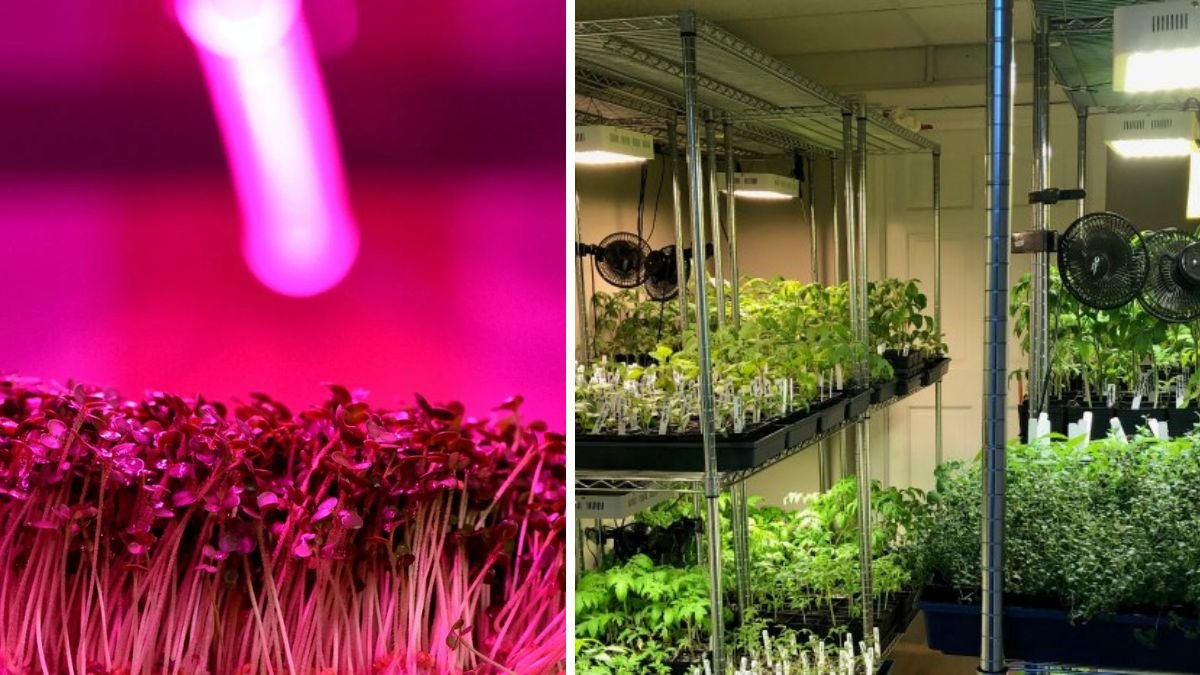

Winter doesn’t have to mean the end of your gardening season. According to horticulture experts, seed starting under lights is one of the best ways to get a head start on spring planting, ensuring healthy seedlings and a longer growing season. With the right setup and techniques, even gardeners without sunny windows can successfully start vegetables, herbs, and flowers indoors.
This guide will explain everything you need to know about seed starting under lights, from selecting the right lights to timing, soil, and post-seedling care.
Why Start Seeds Indoors in Winter?
Starting seeds indoors during winter provides several key advantages:
- Early growth: Gives plants a head start on the season, especially in regions with short springs.
- Controlled environment: Protects seeds from frost, pests, and unpredictable weather.
- Stronger seedlings: Prevents leggy growth by providing consistent light, warmth, and moisture.
- Diversity: Allows cultivation of varieties not available as transplants in local stores.
Experts emphasize that seed starting under lights allows gardeners to cultivate a wide range of plants before outdoor conditions are favorable.
Choosing the Right Seeds for Winter Starting
Not all seeds are suitable for early indoor growing. Experts recommend starting:
- Vegetables: Tomatoes, peppers, eggplants, broccoli, cabbage, lettuce.
- Herbs: Basil, parsley, cilantro, chives, oregano.
- Flowers: Marigolds, zinnias, petunias, impatiens.
Pay attention to each seed’s germination requirements, as some prefer warmer soil or specific light exposure.
Selecting the Right Lighting
Light is the most critical factor for winter seed starting. Experts advise:
- Fluorescent lights: Cool white or full-spectrum T5 or T8 bulbs provide sufficient light for seedlings.
- LED grow lights: Energy-efficient and customizable in spectrum; ideal for long-term seedling growth.
- Placement: Lights should be 2–4 inches above seedlings and adjusted as plants grow.
- Duration: Seedlings need 12–16 hours of light per day to prevent stretching.
Using timers ensures consistent light schedules, mimicking spring sunlight and reducing plant stress.
Choosing Containers and Seed Starting Mix
Experts recommend using shallow, well-draining containers such as:
- Seed trays or flats
- Small pots (2–3 inches for tiny seedlings)
- Recycled containers with drainage holes
Use a lightweight, sterile seed starting mix, not garden soil, because:
- It retains moisture without compacting
- Reduces disease risk
- Provides optimal conditions for root development
Planting Seeds: Step by Step
- Fill containers with moistened seed starting mix.
- Sow seeds at the depth recommended on the seed packet.
- Lightly press seeds into soil, but do not bury too deep.
- Cover small seeds with a thin layer of mix or vermiculite.
- Mist gently to avoid washing seeds away.
Experts recommend labeling containers with the seed type and sowing date to track germination.
Temperature Considerations
Most seeds germinate best in warm soil. Winter indoor temperatures can be cooler than ideal, so experts advise:
- Maintaining 65–75°F for most vegetables
- Using seed heating mats for warmth-loving plants like peppers and tomatoes
- Keeping seedlings away from cold drafts or radiators
Consistent temperature ensures quicker and more uniform germination.
Watering and Humidity
Moisture is critical, but overwatering can rot seeds. Expert tips:
- Keep soil consistently moist but not soggy
- Use a spray bottle or fine mist to avoid disturbing seeds
- Cover containers with clear lids or plastic wrap until seeds germinate to maintain humidity
Once seedlings emerge, remove covers gradually to acclimate them to lower humidity.
Thinning Seedlings
When seedlings develop their first true leaves, experts recommend thinning:
- Snip weaker seedlings at soil level to avoid disturbing roots of stronger plants
- Space seedlings to prevent overcrowding and disease
- Ensure adequate airflow around plants
Proper thinning ensures healthy, vigorous plants ready for transplanting.
Fertilizing Seedlings
Seedlings require nutrients once their first true leaves appear. Experts suggest:
- Using a diluted, balanced liquid fertilizer (half-strength)
- Fertilizing every 1–2 weeks
- Avoiding over-fertilization, which can burn delicate roots
Fertilized seedlings grow stronger stems and more robust foliage, better preparing them for outdoor conditions.
Hardening Off
Before planting outdoors, seedlings must acclimate to outdoor conditions—a process known as hardening off. Experts recommend:
- Gradually exposing seedlings to outdoor light, wind, and temperature for 7–10 days
- Starting with a few hours in the shade and increasing daily
- Protecting from frost or extreme cold
Proper hardening off prevents transplant shock and ensures seedlings thrive in the garden.
Common Winter Seed Starting Challenges
Experts identify frequent pitfalls:
- Leggy seedlings: Caused by insufficient light; raise lights or increase duration.
- Damping-off: A fungal disease; use sterile mix, avoid overwatering, and provide airflow.
- Slow germination: Check seed viability, maintain proper warmth and moisture.
- Leaf yellowing: Often due to overwatering or nutrient deficiency; adjust care accordingly.
Awareness of these issues can help gardeners avoid setbacks and produce healthy seedlings.
Maximizing Success for Winter Growing
- Group plants by light needs: Bright-light species together, shade-tolerant together.
- Use reflective surfaces: White walls or foil reflect light to improve coverage.
- Monitor growth regularly: Adjust light height and watering as seedlings develop.
- Plan succession planting: Stagger seed sowing to extend the growing season indoors.
Experts emphasize that observation and timely adjustments are key to successful seed starting.
Benefits Beyond Early Vegetables
Starting seeds under lights also allows:
- Growing exotic or tropical plants that wouldn’t survive outdoors in winter
- Developing a continuous supply of fresh herbs
- Extending flower bloom times indoors before outdoor planting
- Teaching children or beginners about plant growth in a controlled environment
This makes winter seed starting both practical and educational.
Final Thoughts
Seed starting under lights is a powerful tool for gardeners seeking an early jump on the growing season. With proper lighting, soil, moisture, and temperature control, even the shortest winter days won’t hinder your plants. According to experts, seedlings started indoors under lights develop stronger roots, healthier leaves, and a better chance of thriving once transplanted outdoors.
By following the tips outlined here—choosing the right seeds, maintaining consistent light and warmth, and carefully transitioning seedlings outdoors—you can enjoy a head start on spring gardening and a more bountiful, colorful season. Winter doesn’t have to be a pause in your gardening; with indoor seed starting, it can be the start of a thriving, early harvest.