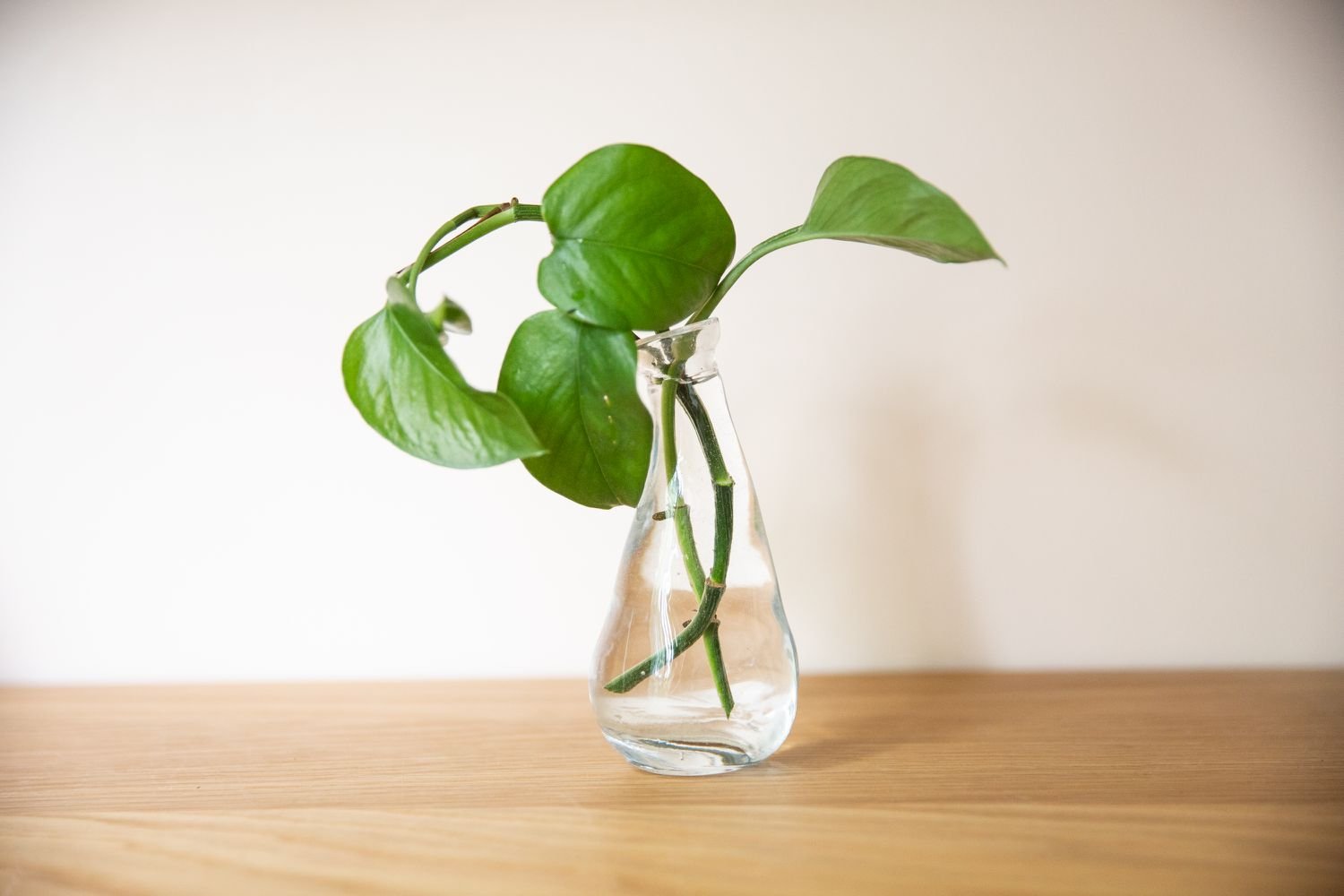

Pothos plants (Epipremnum aureum) are famous for their trailing vines, heart-shaped leaves, and easygoing nature. But while pothos are often labeled as “low-maintenance,” gardeners and houseplant experts agree that proper fertilization is what takes them from simply surviving to truly thriving. When fed correctly, pothos reward you with faster growth, richer color, and those coveted glossy leaves that make the plant such a favorite.
Fertilizing pothos isn’t about heavy feeding—it’s about timing, balance, and restraint. Here’s the right way to fertilize pothos so they stay lush and healthy all year long.
Why Fertilizing Pothos Matters
In the wild, pothos grow in tropical environments where nutrients are delivered gradually through rainwater, decomposing organic matter, and tree bark. Indoors, however, nutrients in potting soil are limited and eventually depleted.
According to plant experts, fertilizing pothos helps:
- Support consistent leaf production
- Maintain rich green or variegated color
- Encourage fuller, bushier growth
- Improve leaf texture and shine
Without occasional feeding, pothos may survive—but growth slows, leaves shrink, and variegation fades.
Understanding Pothos Growth Cycles
Knowing when pothos grow actively is essential for fertilizing properly. Experts explain that pothos follow a seasonal growth rhythm:
- Spring and summer: Active growth phase
- Fall: Growth slows
- Winter: Semi-dormant period
Fertilizer should support growth when the plant is actively producing new leaves—not force growth during rest periods.
Choosing the Best Fertilizer for Pothos
Pothos aren’t picky about fertilizer, but they do best with a balanced, gentle formula. Experts recommend:
- A balanced liquid houseplant fertilizer (e.g., 10-10-10 or 20-20-20)
- Water-soluble fertilizer for even distribution
- Optional organic fertilizers for slow, mild feeding
Avoid specialized “bloom boosters,” which focus on flowers rather than foliage.
The Ideal Fertilizing Schedule
Experts agree that less is more when it comes to pothos.
Recommended schedule:
- Fertilize every 4–6 weeks in spring and summer
- Reduce to every 8–10 weeks in fall
- Stop fertilizing entirely in winter (unless using grow lights)
Overfertilizing is far more damaging than underfertilizing.
Always Dilute Your Fertilizer
One of the most important expert tips is to dilute fertilizer to half strength or less.
Why dilution matters:
- Prevents root burn
- Reduces salt buildup in soil
- Mimics natural nutrient delivery
Pothos absorb nutrients efficiently and don’t need concentrated doses.
How to Fertilize Pothos Correctly
Proper application matters just as much as the fertilizer itself.
Expert-approved method:
- Water the pothos lightly first if soil is dry
- Apply diluted fertilizer evenly to moist soil
- Allow excess water to drain fully
- Empty the saucer to prevent standing water
Never fertilize a completely dry plant—this can damage roots.
Signs Your Pothos Needs Fertilizer
Pothos communicate their needs clearly when nutrients are lacking. Experts say to watch for:
- Pale or yellowing leaves
- Smaller new growth
- Slower vine development
- Loss of variegation
If these symptoms appear during the growing season, a light feeding often restores vitality.
Signs of Overfertilizing
Too much fertilizer causes more problems than too little. Experts warn that overfertilized pothos may show:
- Brown or crispy leaf edges
- White crust on soil surface
- Wilting despite moist soil
- Sudden leaf drop
If this happens, stop fertilizing and flush the soil with plain water to remove excess salts.
Soil and Drainage Affect Fertilization
Even the best fertilizer won’t help if soil conditions are poor. Experts emphasize that pothos need:
- Well-draining potting mix
- Containers with drainage holes
- Occasional soil flushing
Soil that stays wet too long prevents roots from absorbing nutrients efficiently.
Seasonal Adjustments for Year-Round Gloss
To keep leaves glossy year-round, experts recommend adjusting care with the seasons:
Spring and summer:
- Resume regular fertilizing
- Increase light exposure
- Encourage new growth
Fall and winter:
- Reduce feeding
- Focus on consistent watering
- Supplement light if needed
Glossy leaves depend on healthy growth, not constant fertilizer.
The Role of Light in Fertilizing Success
Fertilizer works only when light levels support photosynthesis. Experts stress that feeding pothos in low light often leads to weak, leggy growth.
For best results:
- Provide bright, indirect light
- Rotate plants regularly
- Use grow lights during winter if fertilizing
Light and nutrients must work together.
Organic vs. Synthetic Fertilizers
Both options can work well for pothos, depending on your preference.
Organic fertilizers:
- Release nutrients slowly
- Reduce risk of overfeeding
- Improve soil health
Synthetic fertilizers:
- Act quickly
- Easy to measure and dilute
- Widely available
Experts recommend consistency over type—choose one and use it carefully.
How Often to Flush the Soil
Over time, fertilizer salts build up in potting soil. Experts recommend flushing pothos pots every 3–4 months.
How to flush:
- Water thoroughly with plain water
- Let excess drain freely
- Repeat once more
This keeps roots healthy and improves nutrient absorption.
Fertilizing Newly Repotted Pothos
Fresh potting soil already contains nutrients. Experts advise waiting 4–6 weeks after repotting before fertilizing again.
Fertilizing too soon can overwhelm sensitive new roots.
Final Thoughts
Fertilizing pothos the right way is about gentle support, not heavy feeding. According to plant experts, a diluted, balanced fertilizer applied during the growing season is all it takes to keep pothos lush, glossy, and vibrant year-round.
By paying attention to seasonal growth, soil conditions, and light levels—and resisting the urge to overfeed—you’ll enjoy stronger vines, richer color, and a healthier plant overall. When it comes to pothos, a little fertilizer truly goes a long way.