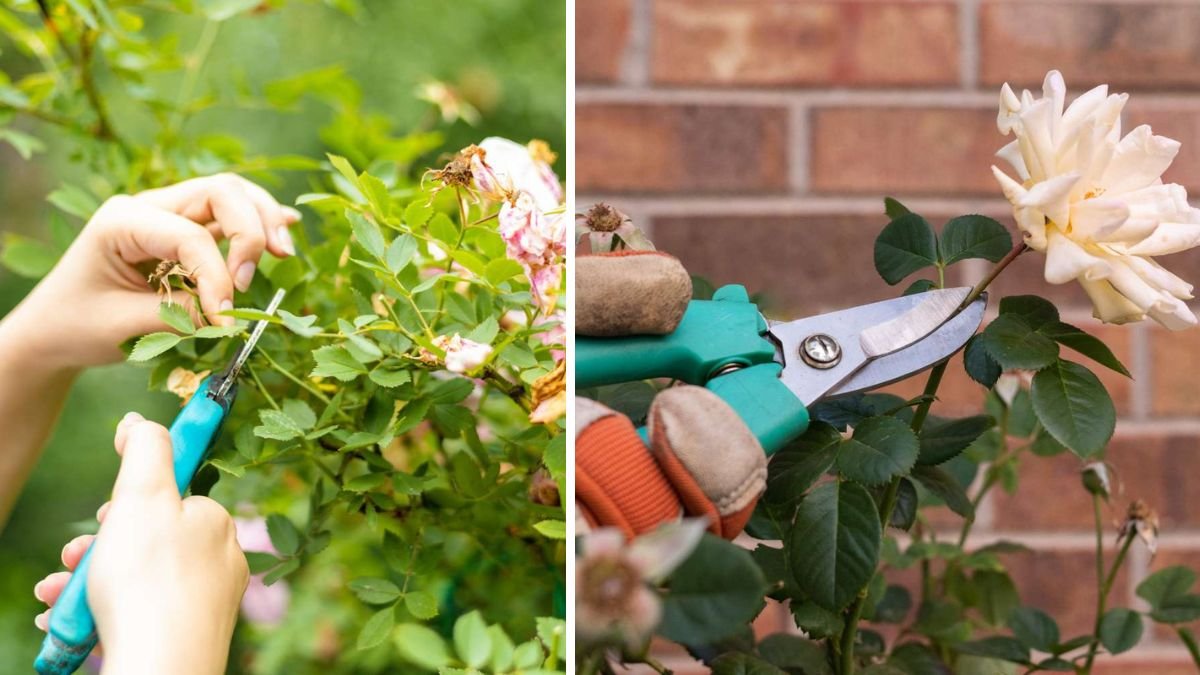

Deadheading—removing spent blooms from flowering plants—is one of the simplest ways to keep a garden looking tidy and productive. It encourages many plants to produce more flowers, extends the blooming season, and prevents energy from being wasted on seed production. But according to gardeners and horticulture experts, deadheading isn’t something you should do endlessly.
At a certain point in the growing season—or depending on the type of plant—continuing to deadhead can actually work against your garden’s long-term health. Knowing when to stop is just as important as knowing when to start. Here’s how experts recommend recognizing the right moment to put the pruners down.
Why Deadheading Works in the First Place
Deadheading works by redirecting a plant’s energy. When flowers fade, plants naturally begin forming seeds. Removing spent blooms interrupts that process, encouraging the plant to produce more flowers instead.
Experts note that deadheading:
- Prolongs flowering for annuals and many perennials
- Improves plant appearance
- Prevents self-seeding in aggressive plants
- Encourages bushier growth
However, flowering is only one phase of a plant’s life cycle. At some point, most plants need to shift energy elsewhere.
The Biggest Clue: Declining Flower Production
One of the clearest signs it’s time to stop deadheading is diminishing returns. Gardeners say that when flowers become noticeably smaller, fewer, or weaker despite regular deadheading, the plant may be reaching the end of its flowering phase.
This is especially common late in the season when:
- Daylight hours shorten
- Temperatures cool
- The plant has already produced multiple bloom cycles
At this stage, forcing more blooms can stress the plant rather than benefit it.
Late Summer and Fall: A Natural Stopping Point
For many plants, experts recommend stopping deadheading in late summer or early fall. This allows plants to:
- Begin hardening off for winter
- Store energy in roots and crowns
- Complete their natural life cycle
Perennials, in particular, benefit from this shift. Letting them form seeds signals that the growing season is ending and helps prepare them for dormancy.
When Seed Heads Are a Feature, Not a Flaw
Some plants offer beautiful seed heads that add texture and interest to the garden long after flowering ends. In these cases, experts say deadheading past peak bloom robs the garden of seasonal beauty.
Plants often left un-deadheaded include:
- Coneflowers (Echinacea)
- Black-eyed Susans (Rudbeckia)
- Ornamental grasses
- Sedum
- Alliums
These seed heads also provide food for birds and beneficial wildlife, making them an ecological bonus.
Annuals vs. Perennials: Timing Matters
Understanding whether a plant is an annual or perennial helps determine when to stop deadheading.
Annuals:
Annuals live for one season and are often grown specifically for continuous blooms. Experts recommend deadheading annuals like petunias, zinnias, and marigolds for most of the season—but even annuals benefit from stopping late in summer to allow seed formation if you plan to save seeds.
Perennials:
Perennials rely on stored energy to return next year. Experts advise stopping deadheading earlier so plants can focus on root and crown health rather than nonstop flowering.
Signs the Plant Is Tired or Stressed
Plants communicate stress clearly if you know what to look for. Gardeners say it’s time to stop deadheading when you notice:
- Yellowing or browning leaves
- Weak or floppy stems
- Slow or stalled growth
- Increased susceptibility to pests or disease
At this point, continuing to remove flowers can worsen stress rather than relieve it.
Weather Changes Are a Strong Signal
Environmental cues play a major role in determining when deadheading should end. Experts recommend paying close attention to:
- Cooling nighttime temperatures
- Shorter daylight hours
- Increased rainfall or humidity
These changes signal plants to slow down naturally. Fighting that transition often leads to poor performance or winter damage.
When You Should Let Flowers Go to Seed
Allowing plants to set seed isn’t just acceptable—it’s sometimes beneficial.
Gardeners encourage stopping deadheading when:
- You want plants to self-seed naturally
- You plan to collect seeds for next year
- You want to support birds and pollinators
- The plant’s seed heads provide winter interest
Letting flowers complete their life cycle is part of a healthy, balanced garden.
Plants That Prefer Minimal Deadheading
Some plants don’t require frequent deadheading at all. Experts say these plants naturally clean themselves or stop blooming when ready.
Examples include:
- Impatiens
- Begonias
- Vinca
- Many modern hybrid roses
With these plants, over-deadheading can be unnecessary or even counterproductive.
When Deadheading Can Harm Next Year’s Blooms
Certain plants form next year’s flower buds in late summer or fall. Experts warn that continued deadheading—or aggressive pruning—can remove these buds.
Plants in this category include:
- Spring-flowering shrubs
- Some climbing roses
- Hydrangeas that bloom on old wood
Stopping deadheading at the right time protects future blooms.
A Shift in Gardening Goals
As the season progresses, expert gardeners shift their focus:
- From bloom production to plant health
- From aesthetics to sustainability
- From control to observation
This mindset makes it easier to stop deadheading without feeling like you’re neglecting the garden.
Common Mistakes Gardeners Make
Experts often see gardeners struggle with stopping deadheading because of these misconceptions:
- “More flowers are always better”
- “Stopping means the plant is failing”
- “Deadheading is always helpful”
In reality, knowing when to stop is a sign of advanced gardening skill.
A Simple Rule of Thumb
If you’re unsure, experts suggest this general guideline:
- Deadhead aggressively in spring and early summer
- Reduce deadheading in mid-summer
- Stop deadheading most plants by early fall
Then adjust based on plant type, climate, and garden goals.
Final Thoughts
Deadheading is a powerful tool—but it’s not meant to be used endlessly. According to gardeners and horticulture experts, the key is learning to recognize when your plants are ready to shift from flowering to rest, seed production, or storage for the next season.
By paying attention to bloom quality, plant health, weather changes, and seasonal timing, you can confidently stop deadheading at the right moment. In doing so, you support healthier plants, a more resilient garden, and a natural rhythm that carries beauty far beyond the blooming season.