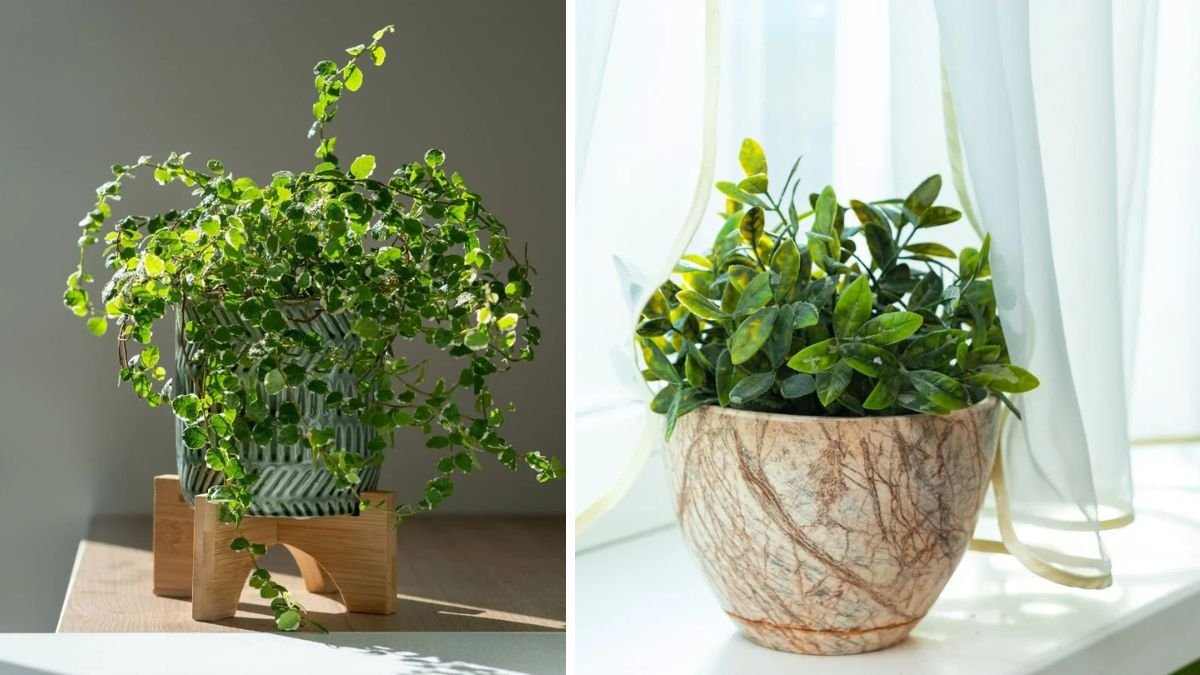

Light is the single most important factor in houseplant health, yet it’s also the most misunderstood. Many indoor plants are labeled as “low light,” while others demand “bright, indirect light”—a phrase that often leaves plant owners guessing. According to plant experts, understanding what bright, indirect light actually means—and how to create it in your home—can transform struggling plants into thriving ones.
Whether you live in a sun-filled home or a dim apartment, you can create the right lighting conditions with a few smart adjustments. Here’s how experts recommend providing bright, indirect light so your houseplants can grow strong, colorful, and healthy year-round.
What Is Bright, Indirect Light?
Bright, indirect light refers to sunlight that is strong but filtered or diffused, rather than shining directly onto plant leaves. In nature, many tropical houseplants grow beneath forest canopies, where sunlight is softened by trees above them.
Experts describe bright, indirect light as:
- Sunlight that fills a room without casting harsh shadows
- Light near a bright window but not directly in the sun’s path
- Illumination strong enough to read comfortably without artificial lights
Understanding this concept helps explain why many plants scorch in direct sun but weaken in low light.
Why So Many Houseplants Need It
Most popular houseplants—such as pothos, philodendrons, monsteras, calatheas, and fiddle leaf figs—originate from tropical environments. Experts note that these plants evolved to absorb consistent, filtered light rather than intense midday sun.
Without bright, indirect light:
- Growth becomes slow and leggy
- Leaves lose color or variegation
- Plants become more vulnerable to pests and disease
Providing the right light supports photosynthesis without damaging delicate foliage.
Identifying Bright, Indirect Light in Your Home
Experts recommend observing your space throughout the day to identify light patterns.
Best natural light sources include:
- East-facing windows (gentle morning sun)
- South-facing windows with sheer curtains
- West-facing windows with plants set a few feet back
- North-facing windows in bright, unobstructed rooms
If sunlight hits the plant directly for more than an hour or two, it’s likely too strong. If the room stays dim most of the day, light is likely insufficient.
Use Distance to Control Light Intensity
One of the easiest expert-approved methods for creating indirect light is adjusting distance from the window.
General guidelines:
- 1–2 feet from a bright window = very bright light
- 3–6 feet away = bright, indirect light
- Beyond 6 feet = medium to low light
Experts recommend starting plants farther away and gradually moving them closer if growth appears slow.
Filter Harsh Sunlight with Sheer Curtains
Sheer curtains are one of the most effective tools for creating bright, indirect light. They soften intense rays while still allowing ample illumination.
Expert tips for using curtains:
- Choose white or light-colored fabrics
- Avoid heavy or blackout curtains
- Hang curtains so light diffuses evenly across the room
This method works especially well for south- and west-facing windows, where midday sun can be too intense.
Reflect and Amplify Available Light
If your home lacks large windows, experts suggest using reflective surfaces to boost light levels.
Ways to enhance indirect light:
- Place mirrors opposite or adjacent to windows
- Use light-colored walls and furniture
- Avoid blocking windows with heavy décor or furniture
Even small changes can significantly increase the brightness plants receive without adding direct sun.
Create Bright, Indirect Light with Grow Lights
Experts agree that grow lights are often essential—especially in winter or in low-light homes. Modern LED grow lights are energy-efficient and highly effective at mimicking natural daylight.
Best practices for grow lights:
- Use full-spectrum LED lights
- Position lights 12–24 inches above plants
- Run lights 10–14 hours daily
Grow lights should supplement, not overwhelm. Too close or too long exposure can stress plants just as much as direct sun.
Choose the Right Placement for Different Rooms
Each room presents unique lighting challenges. Experts recommend tailoring plant placement accordingly.
- Living rooms: Ideal for large plants near bright windows
- Bedrooms: Use filtered light or grow lights to avoid harsh exposure
- Kitchens: Bright but fluctuating light—monitor heat and humidity
- Bathrooms: North- or east-facing windows work best for shade-loving plants
Avoid placing plants in hallways or corners without supplemental lighting.
Rotate Plants for Even Growth
Light rarely hits evenly from all directions indoors. Experts recommend rotating plants every one to two weeks to ensure symmetrical growth.
Benefits of rotation include:
- Balanced leaf development
- Reduced leaning or stretching
- More uniform color and structure
This simple habit helps plants fully benefit from available indirect light.
Signs Your Light Is Too Strong
Even indirect light can be excessive if conditions aren’t right. Experts say to watch for:
- Scorched or bleached patches on leaves
- Curling or crispy edges
- Sudden leaf drop
If these symptoms appear, move the plant farther from the window or increase light filtering.
Signs Your Light Isn’t Bright Enough
Insufficient light causes gradual decline. Common expert-identified signs include:
- Long gaps between leaves
- Smaller new growth
- Fading variegation
- Soil staying wet too long
If you notice these issues, increase light exposure gradually or introduce a grow light.
Seasonal Light Changes Matter
Light intensity changes dramatically throughout the year. Experts recommend reassessing plant placement seasonally.
- Winter: Move plants closer to windows or add grow lights
- Summer: Increase filtering to prevent sunburn
- Spring/Fall: Monitor growth and adjust distance as needed
Plants don’t like sudden changes, so transitions should be gradual.
Common Myths About Indirect Light
Experts frequently debunk a few persistent myths:
- “Low light” does not mean “no light”
- Artificial light is not inferior when used properly
- Bright rooms can still lack usable plant light
Understanding these misconceptions helps prevent long-term plant stress.
Final Thoughts
Creating bright, indirect light is less about perfect conditions and more about thoughtful placement and observation. Experts agree that once you understand how light moves through your home, you can adapt nearly any space to support healthy houseplants.
By using window direction, distance, filtering techniques, and supplemental lighting, you can give your plants the environment they need to thrive—no matter where you live. With the right light, even the most finicky houseplants can grow with confidence, beauty, and longevity.