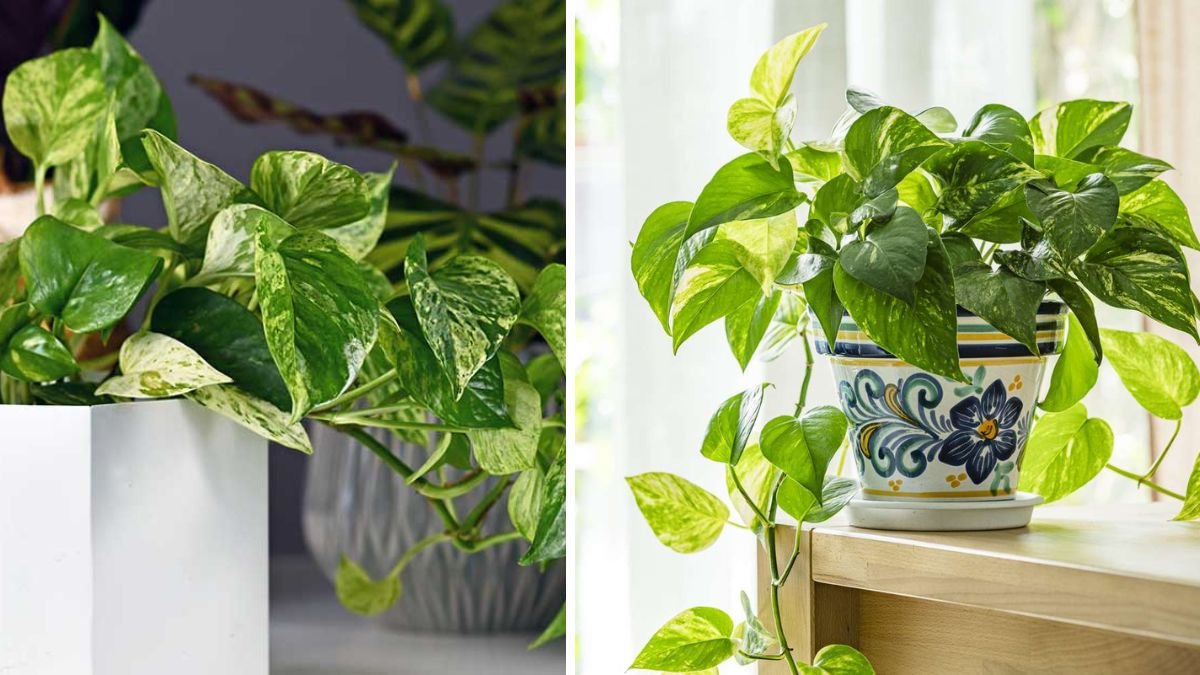

Pothos plants (Epipremnum aureum) are often described as foolproof houseplants—and while they are undeniably resilient, thriving pothos don’t succeed on neglect alone. With the right care, these trailing beauties can grow faster, fuller, and healthier, rewarding you with lush vines and vibrant leaves for years. According to plant experts, understanding pothos’ natural habits is the key to caring for them properly rather than just keeping them alive.
Here’s everything you need to know about caring for pothos plants the right way, from light and watering to pruning, propagation, and common mistakes.
Understanding Pothos’ Natural Environment
To care for pothos correctly, it helps to know where they come from. Native to tropical regions of Southeast Asia and the Pacific Islands, pothos grow as climbing vines in warm, humid forests. In nature, they creep along the forest floor or climb trees, receiving filtered light and occasional heavy rain followed by drying periods.
Experts emphasize that mimicking these conditions indoors—bright but indirect light, moderate watering, and good airflow—sets pothos up for long-term success.
Light: Bright, Indirect Is Best
One of the biggest misconceptions about pothos is that they thrive in low light. While pothos can survive in dim conditions, experts agree that they grow best in bright, indirect light.
- Ideal light: Near an east- or north-facing window, or a few feet away from a bright south- or west-facing window.
- Too much sun: Direct sunlight can scorch the leaves, causing pale patches or browning.
- Too little light: Growth slows, vines become leggy, and variegated varieties lose their color.
If you want fuller growth and stronger leaf color—especially with variegated pothos like ‘Marble Queen’ or ‘Golden Pothos’—light is non-negotiable.
Watering: Less Is More
Overwatering is the most common reason pothos struggle. Experts recommend watering only when the top 1–2 inches of soil are dry.
Key watering tips:
- Water thoroughly until excess drains from the bottom.
- Empty the saucer—pothos hate sitting in water.
- Reduce watering in winter when growth slows.
Signs of overwatering include yellowing leaves, mushy stems, and a musty smell from the soil. Underwatering, on the other hand, causes drooping leaves and dry, crispy edges—but pothos recover quickly once watered.
Soil: Well-Draining and Airy
Pothos prefer a loose, well-draining potting mix that allows oxygen to reach the roots. Experts recommend:
- A standard indoor potting mix
- Enhanced with perlite, pumice, or orchid bark for drainage
Avoid heavy, compacted soil, which holds moisture too long and increases the risk of root rot. If your pothos stays wet for more than a few days after watering, it’s time to rethink the soil or pot.
Pots and Drainage Matter More Than You Think
No matter how perfect your watering habits are, a pot without drainage can sabotage your pothos. Experts strongly advise using containers with drainage holes.
- Terracotta pots help wick moisture and reduce overwatering risks.
- Plastic pots retain moisture longer and may require less frequent watering.
Choose a pot that’s only slightly larger than the root ball. Oversized pots hold excess soil—and excess moisture—which pothos roots don’t appreciate.
Temperature and Humidity: Comfortable Is Enough
Pothos are happiest in the same temperatures humans enjoy:
- Ideal range: 65–85°F (18–29°C)
- Avoid cold drafts, air conditioners, and temperatures below 55°F
While pothos tolerate average indoor humidity, experts note they grow faster and produce larger leaves with slightly higher humidity. Occasional misting, grouping plants together, or placing a humidifier nearby can help—but it’s not essential.
Fertilizing: Light Feeding Goes a Long Way
Pothos are not heavy feeders, and over-fertilizing can do more harm than good. According to experts:
- Feed once a month during spring and summer
- Use a balanced, water-soluble houseplant fertilizer
- Dilute to half strength
Skip fertilizing in fall and winter. Signs of over-fertilization include salt buildup on soil, leaf burn, and slowed growth.
Pruning: The Secret to Fuller Growth
If your pothos looks long and sparse, pruning is the solution. Experts recommend trimming vines regularly to encourage branching.
How to prune correctly:
- Cut just above a leaf node
- Use clean, sharp scissors
- Remove leggy or damaged growth first
Pruning not only improves appearance but also directs energy into producing fuller, bushier vines rather than long, bare stems.
Propagation: Easy and Rewarding
Pothos are among the easiest plants to propagate, making them perfect for beginners. Experts suggest propagation as both a way to create new plants and rejuvenate older ones.
Water propagation steps:
- Cut a vine with at least one node.
- Place the node in water (leaves above water).
- Change water every few days.
- Transfer to soil once roots are 1–2 inches long.
Propagation works year-round, but spring and summer produce the fastest results.
Cleaning Leaves: An Overlooked Step
Dust buildup blocks light and slows photosynthesis. Experts recommend cleaning pothos leaves every few weeks by:
- Wiping gently with a damp cloth
- Rinsing in the shower (lukewarm water only)
Avoid leaf shine products—they can clog pores and damage foliage over time.
Common Pothos Problems—and How to Fix Them
Even easy plants have issues. Experts point to a few frequent pothos problems:
- Yellow leaves: Usually overwatering
- Brown tips: Low humidity or inconsistent watering
- Leggy growth: Not enough light
- Pale leaves: Nutrient deficiency or low light
Addressing care conditions early prevents long-term damage.
Toxicity: Important for Pet Owners
Plant experts stress that pothos are toxic to pets and humans if ingested, causing mouth irritation and digestive upset. Keep pothos out of reach of cats, dogs, and small children, or opt for pet-safe alternatives if necessary.
Why Pothos Thrive With Consistency
The real secret to pothos care isn’t perfection—it’s consistency. Experts agree that pothos thrive when their environment remains stable. Frequent changes in light, watering, or location can stress the plant and slow growth.
Once you find a routine that works, stick with it.
Final Thoughts
Pothos may be forgiving, but caring for them the right way transforms them from “surviving” to truly thriving. By providing bright indirect light, proper watering, well-draining soil, and occasional pruning, you’ll enjoy faster growth, richer color, and longer vines.
Whether you’re a first-time plant owner or a seasoned indoor gardener, pothos prove that low-maintenance doesn’t have to mean low-reward. With expert-backed care and a little attention, these classic houseplants can become the standout feature of any space.