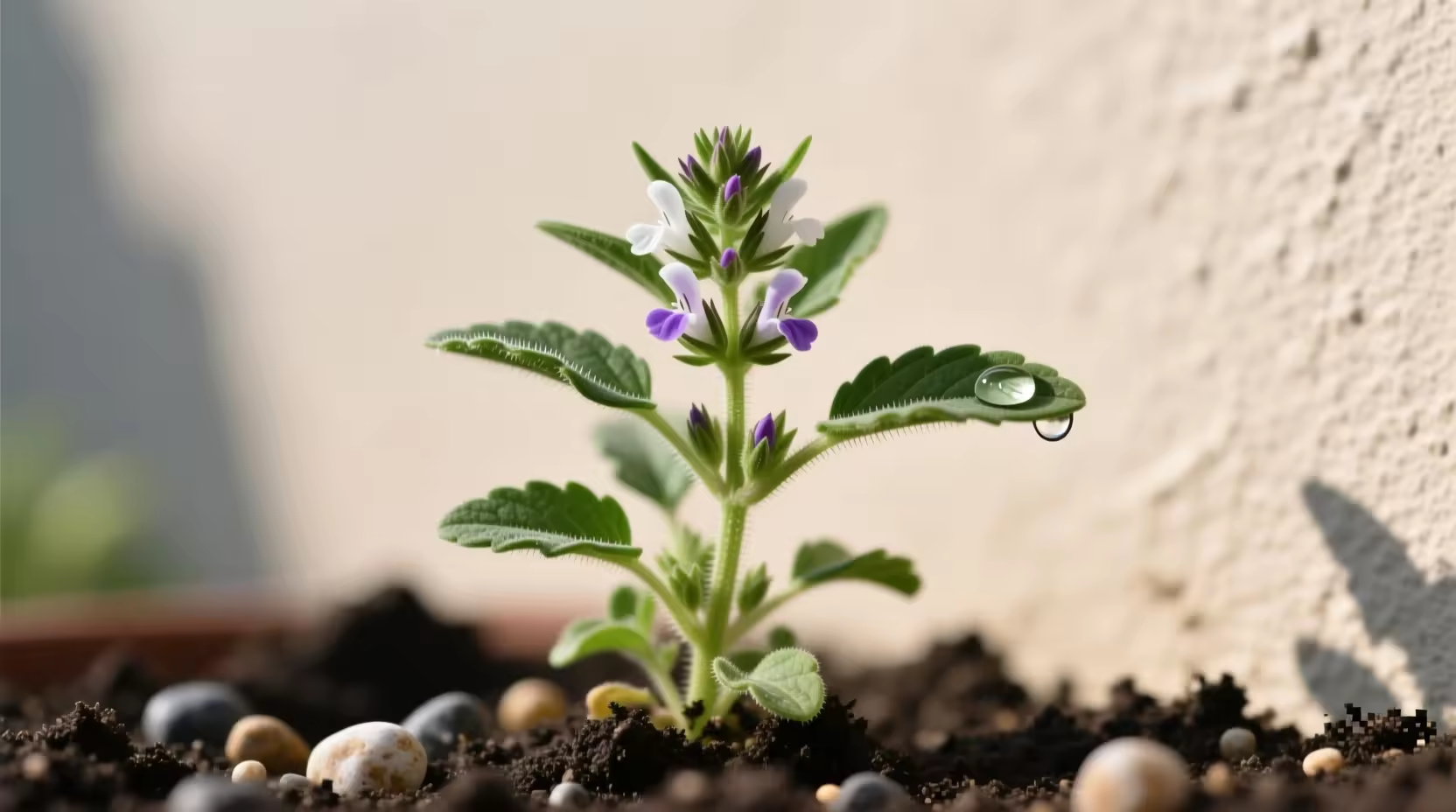

Chia plants are best known for their tiny superfood seeds, but surprisingly few home gardeners realize how easy chia is to grow. Whether you want fresh chia greens, seeds for consumption, or simply a low-maintenance plant for your garden, chia is one of the most forgiving and beginner-friendly choices.
If you’ve been looking for a no-fuss plant that grows fast, requires little care, and offers nutritional benefits, chia might be the perfect fit. This guide walks you through everything you need to know to grow chia successfully at home—without stress or complicated techniques.
What Is Chia Plant?
Chia (scientific name Salvia hispanica) is a flowering plant from the mint family. Native to Central America, it has been cultivated for thousands of years for its nutrient-rich seeds.
Chia plants grow as upright herbs with:
- Soft green leaves
- Purple or white flowers
- Tiny black, white, or gray seeds
Beyond seeds, young chia plants are also grown for microgreens, which are packed with vitamins and antioxidants.
Why Grow Chia at Home?
Chia is ideal for home gardeners because it combines simplicity with usefulness.
Benefits of growing chia:
- Extremely easy to grow
- Fast germination
- Requires minimal watering
- Grows well in pots or garden beds
- Produces edible greens and seeds
- Naturally pest-resistant
Even gardeners with little experience can grow chia successfully.
Best Time to Plant Chia
Chia is a warm-season plant and thrives in mild to warm temperatures.
Ideal planting time:
- Spring to early summer
- When temperatures stay above 15°C (60°F)
Chia does not tolerate frost, so avoid planting during cold seasons unless growing indoors.
Where to Grow Chia: Pot or Garden?
Chia adapts well to both indoor and outdoor environments.
Growing chia in pots:
- Perfect for balconies and small spaces
- Use pots at least 6–8 inches deep
- Ensure proper drainage
Growing chia in garden beds:
- Choose a sunny spot
- Space plants adequately for airflow
Both methods work equally well, making chia versatile for any home gardener.
Light Requirements: Keep It Simple
Chia plants love sunlight but don’t demand perfection.
Light needs:
- 6–8 hours of sunlight daily
- Full sun is ideal
- Partial shade works in very hot climates
If growing indoors, place chia near a sunny window or use a basic grow light.
Soil Requirements: Don’t Overthink It
Chia is not picky about soil, which makes it great for beginners.
Best soil characteristics:
- Well-draining
- Light and loose
- Slightly sandy or loamy
Avoid heavy clay soil that holds water for too long. If growing in pots, regular potting mix works just fine.
How to Plant Chia Seeds
Planting chia seeds is quick and easy.
Step-by-step planting guide:
- Prepare the soil
Loosen the soil and remove debris. - Scatter seeds lightly
Chia seeds are tiny—do not bury them deep. - Cover lightly
Sprinkle a thin layer of soil over the seeds or gently press them into the surface. - Water gently
Use a spray bottle or light watering to avoid washing seeds away.
Germination time:
Chia seeds usually sprout within 3–7 days.
Watering: Less Is More
One of the biggest reasons gardeners fail is overwatering. Chia prefers moderate moisture and handles dry conditions well.
Watering tips:
- Water lightly but consistently during germination
- Once established, water only when the soil feels dry
- Avoid soggy soil
Overwatering can cause root rot and weak growth.
Fertilizer: Mostly Optional
Chia plants don’t need heavy feeding.
Fertilizing guidelines:
- Not necessary in rich soil
- Optional light compost before planting
- Avoid high-nitrogen fertilizers
Too much fertilizer results in leafy growth with fewer seeds.
Growth Stages: What to Expect
Understanding chia’s growth helps you know what’s normal.
Early stage (1–2 weeks):
- Small seedlings appear
- Rapid leaf growth
Mid stage (4–6 weeks):
- Plant grows taller
- Leaves become fuller
Flowering stage (8–12 weeks):
- Purple or white flowers form
- Seed production begins
Chia plants can reach 3–4 feet tall if grown for seeds.
Growing Chia for Microgreens
If you want quick results, chia microgreens are an excellent option.
How to grow chia microgreens:
- Use a shallow tray
- Scatter seeds densely
- Mist daily
- Harvest in 7–10 days
Chia microgreens are rich in:
- Fiber
- Omega-3 fatty acids
- Antioxidants
They’re perfect for salads, smoothies, and sandwiches.
Pruning and Maintenance
Chia is very low maintenance, but a little care goes a long way.
Maintenance tips:
- Remove weeds early
- Trim overcrowded plants
- Support tall plants if needed
Pruning is optional unless plants become leggy or crowded.
Common Problems (and Easy Fixes)
Chia rarely causes trouble, but here are a few things to watch for.
Leggy plants:
Cause: Too little sunlight
Fix: Move to a sunnier spot
Yellow leaves:
Cause: Overwatering or poor drainage
Fix: Reduce watering and improve soil drainage
Poor flowering:
Cause: Excess fertilizer or shade
Fix: Reduce feeding and increase sunlight
Pests and Diseases
Chia is naturally resistant to most pests.
Occasionally you may see:
- Aphids
- Whiteflies
These can be controlled with:
- Neem oil spray
- Mild soap solution
Good airflow and proper watering prevent most diseases.
Harvesting Chia Seeds
If growing chia for seeds, patience is key.
When to harvest:
- Flowers dry and turn brown
- Seed heads feel crisp
How to harvest:
- Cut dried flower heads
- Place in a paper bag
- Shake to release seeds
- Store seeds in an airtight container
Seeds stay fresh for months when stored properly.
Can You Grow Chia Indoors Year-Round?
Yes, chia grows well indoors with enough light.
Indoor growing tips:
- Use bright windows or grow lights
- Choose medium-sized containers
- Rotate plants for even growth
Indoor chia may grow slightly smaller but remains healthy and productive.
Final Thoughts
Chia is one of the easiest plants a home gardener can grow. With minimal effort, basic soil, and moderate sunlight, you can enjoy fast-growing greenery, nutritious microgreens, or a rewarding seed harvest.
Whether you’re new to gardening or just want a low-maintenance plant, chia offers simplicity, versatility, and health benefits—all in one package. By following this no-fuss growing guide, you’ll discover that growing chia at home is not only easy, but genuinely satisfying.
Sometimes, the best plants are the ones that ask for very little and give back a lot—and chia is exactly that.