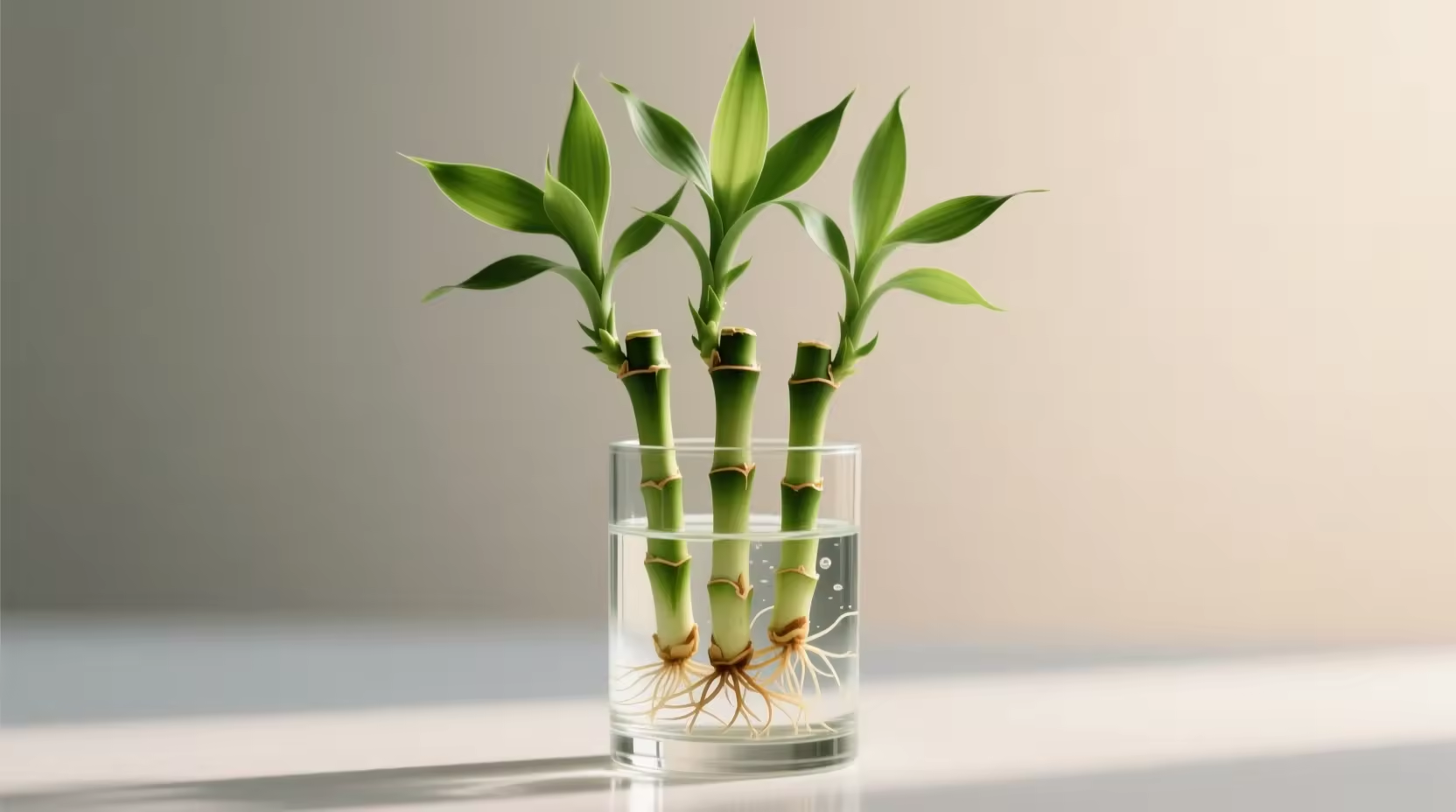

Lucky bamboo is one of the most popular indoor plants in homes and offices around the world. Known for its elegant green stalks and association with good luck and positive energy, lucky bamboo is easy to maintain and even easier to propagate. One of the best things about this plant is that it can grow happily in water, making propagation simple—even for beginners.
If you’ve ever wanted to multiply your lucky bamboo plant or share it as a meaningful gift, the water propagation method is the easiest and most reliable way. This guide explains everything you need to know about lucky bamboo propagation using water, broken down into simple, practical steps.
Understanding Lucky Bamboo Before Propagation
Despite its name, lucky bamboo is not true bamboo. Its scientific name is Dracaena sanderiana, and it belongs to the Dracaena family. This is important because its care and propagation methods are different from real bamboo.
Lucky bamboo grows in segmented stalks called canes, with small nodes along the stem. These nodes are where roots and new shoots develop, making them essential for successful propagation.
Why Choose the Water Propagation Method?
Water propagation is the most popular method for lucky bamboo because it closely mimics how the plant is commonly grown indoors.
Benefits of water propagation:
- Easy to monitor root growth
- Low risk of soil-related diseases
- Minimal mess and maintenance
- Ideal for indoor environments
- Perfect for beginners
As long as clean water and proper light are provided, lucky bamboo adapts well to this method.
Best Time to Propagate Lucky Bamboo
Lucky bamboo can technically be propagated year-round, but the best time is during spring or early summer, when the plant is actively growing.
Propagation during active growth increases the chances of:
- Faster root development
- Healthier shoots
- Lower stress on the parent plant
Avoid propagating during winter if possible, as growth slows down significantly.
Tools and Materials You’ll Need
Before you start, gather the following items:
- A healthy lucky bamboo plant
- Sharp, clean scissors or pruning shears
- A clean glass container or jar
- Filtered or distilled water
- Optional: small pebbles for support
Always sterilize cutting tools to prevent bacterial infections.
Step-by-Step Guide: Lucky Bamboo Propagation in Water
Step 1: Choose a Healthy Parent Plant
Select a mature lucky bamboo plant with:
- Bright green, firm stalks
- No yellowing or soft spots
- Visible healthy nodes
Avoid plants that show signs of rot, pests, or severe discoloration.
Step 2: Identify a Suitable Cutting
Look for a side shoot (offshoot) growing from the main stalk. These shoots are ideal for propagation.
The cutting should:
- Be at least 4–6 inches long
- Have one or more nodes
- Look healthy and green
Avoid cutting the main stalk unless absolutely necessary.
Step 3: Make a Clean Cut
Using sterilized scissors or shears:
- Cut the shoot close to the main stalk
- Make a clean, straight cut
If the main stalk is damaged or too tall, you can cut it above a node and propagate the top portion as well.
Step 4: Prepare the Cutting
Remove any leaves from the bottom portion of the cutting. Leaves submerged in water can rot and contaminate the water.
Only the bare stem and nodes should be underwater.
Step 5: Place the Cutting in Water
Place the cutting into a clean glass container filled with filtered or distilled water.
Important points:
- Ensure at least one node is submerged
- Keep leaves above the water level
- Use pebbles if needed to support the cutting
Tap water can be used if left out for 24 hours to allow chlorine to evaporate.
Ideal Conditions for Root Development
To encourage healthy root growth, place the container in the right environment.
Light
Lucky bamboo prefers bright, indirect light. Avoid direct sunlight, which can cause leaf burn and algae growth in water.
Temperature
Maintain a temperature between 18–30°C (65–85°F). Avoid cold drafts or sudden temperature changes.
Water Quality
Change the water every 7–10 days to keep it fresh and oxygenated.
How Long Does Rooting Take?
Root development typically begins within 2–4 weeks.
During this time, you may notice:
- Small white roots emerging from nodes
- New leaf growth at the top
Once roots reach about 1–2 inches long, the cutting is considered successfully propagated.
Caring for Newly Propagated Lucky Bamboo
After rooting, continued care is essential for long-term health.
Water Care
- Change water regularly
- Use room-temperature, clean water
- Keep water level consistent
Feeding
Lucky bamboo grown in water needs minimal nutrients. You can add a very diluted liquid fertilizer once every 1–2 months, but overfeeding can cause yellowing.
Cleaning
Rinse the container occasionally to prevent algae buildup.
Common Mistakes to Avoid
Even though lucky bamboo is hardy, some mistakes can hinder propagation.
Overwatering Isn’t the Issue—Dirty Water Is
Stagnant water leads to root rot. Always change water regularly.
Using Direct Sunlight
Direct sun can damage leaves and encourage algae growth.
Cutting Without Nodes
A cutting without nodes will not grow roots.
Overcrowding
Avoid placing too many cuttings in one container, as this reduces oxygen availability.
Can You Transfer Water-Propagated Lucky Bamboo to Soil?
Yes, lucky bamboo can be transferred to soil after rooting, but it’s not necessary. Many people prefer keeping it in water permanently.
If transferring to soil:
- Use well-draining potting mix
- Keep soil lightly moist, not soggy
- Allow time for adjustment
Plants may experience mild stress during the transition.
Feng Shui Considerations (Optional)
Lucky bamboo is often grown for its symbolic meaning.
According to Feng Shui:
- 2 stalks represent love
- 3 stalks symbolize happiness
- 5 stalks represent health
- 7 stalks attract good luck
- 8 stalks bring prosperity
When propagating, you can arrange stalks intentionally for symbolic value.
Signs of a Healthy Propagated Plant
A successfully propagated lucky bamboo will show:
- Firm green stalks
- White or light-colored roots
- Upright growth
- Fresh leaf development
Yellowing leaves or soft stems may indicate water issues or poor light conditions.
Final Thoughts
Lucky bamboo propagation using the water method is one of the simplest and most rewarding plant projects you can try. With minimal tools, basic care, and a little patience, you can grow new plants from existing ones and enjoy their beauty for years.
Whether you’re expanding your indoor plant collection, creating meaningful gifts, or simply experimenting with plant care, lucky bamboo propagation is a perfect starting point. By following the steps and tips in this guide, you can confidently grow healthy, thriving lucky bamboo plants—no soil required.