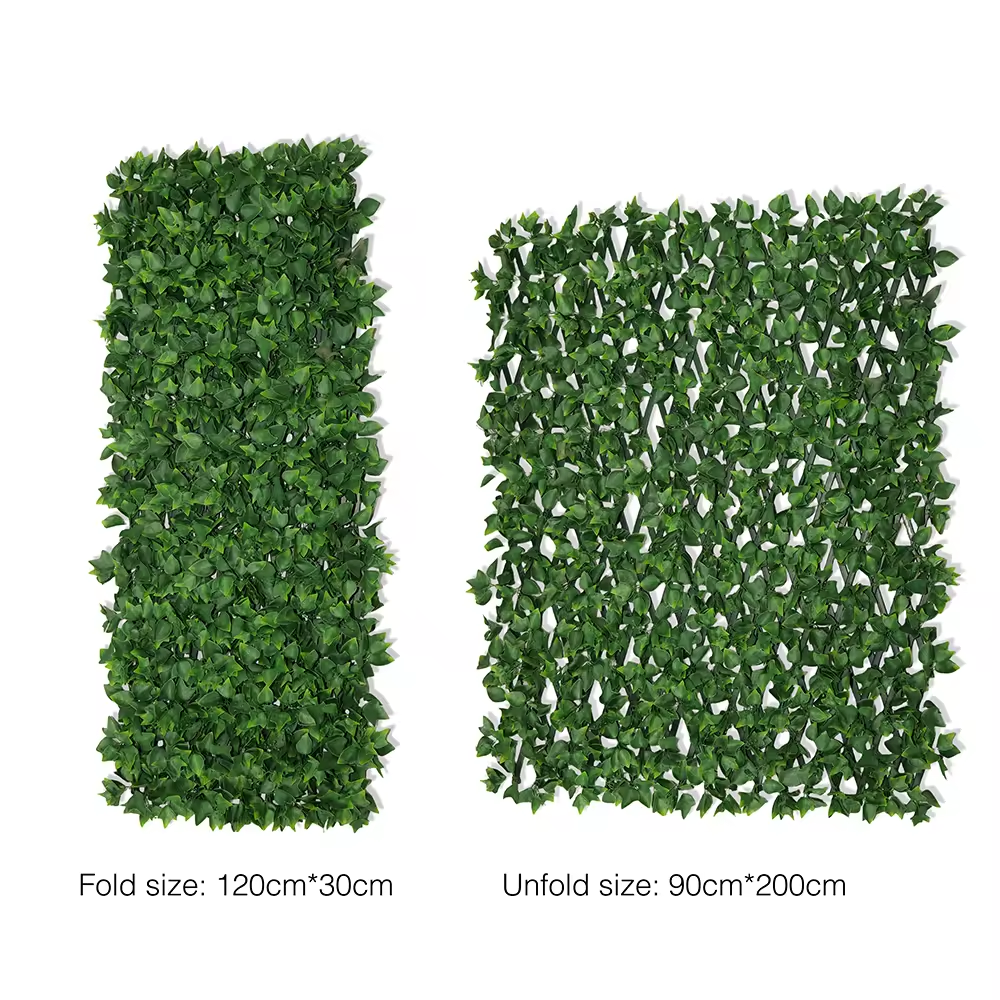

Balconies are more than just outdoor spaces—they’re extensions of our homes where we relax, entertain, and connect with nature. But not everyone has the time, space, or climate for thriving live plants. That’s where balcony artificial flower fences come in: they bring vibrant color, texture, and privacy without the upkeep of real flora.
Artificial flower fences look beautiful year-round, withstand weather changes, and instantly elevate your balcony’s aesthetic. The trick is knowing how to choose the best one for your space. This guide takes you step-by-step through the key factors to consider before buying.
What Is a Balcony Artificial Flower Fence?
An artificial flower fence (also called a floral privacy screen or panel) is a decorative panel made of synthetic flowers and foliage. You can install it on balcony railings, walls, or fences to add color, privacy, and style to your outdoor area.
Unlike real plants, these panels:
- Require no watering or pruning
- Stay lush throughout seasons
- Don’t attract pests
- Are easy to clean and maintain
They’re ideal for renters, busy homeowners, and anyone who wants a low-maintenance balcony upgrade.
Step 1: Know Your Balcony Space
Before picking a floral panel, assess your balcony dimensions and layout.
Measure Accurately
Use a tape measure to determine:
- Width and height of railing or wall
- Depth of balcony
- Any doors, windows, or fixtures nearby
Accurate measurements prevent ordering panels that are too tall, too short, or simply won’t fit your space.
Consider Viewing Distance
Will your floral fence be viewed from inside your home? From the balcony floor? From the street below? This affects how dense and colorful your panel should be.
Step 2: Decide Your Primary Goal
Artificial flower fences serve different purposes—knowing your priority helps narrow choices.
Common Goals:
Privacy: Dense panels block sightlines from neighbors and streets.
Aesthetic enhancement: Focus on vibrant colors and design over density.
Theme-based décor: Choose panels that match specific color schemes or motifs.
Wind/dust barrier: Look for thicker panels with secure backing.
Your goal determines what type of panel you should focus on.
Step 3: Choose the Right Material
The longevity and look of your balcony flower fence depend heavily on material quality.
Common Materials
1. UV-Resistant Plastic (Polyethylene)
Great for sunny balconies
Doesn’t fade easily
Can feel less “natural”
2. Silk & Polyester Flowers (High-Quality Artificial Flowers)
Realistic texture and appearance
Rich colors and variety
Can be pricier
3. Mixed Materials
Combines plastic foliage with silk flowers for durability and realism.
Tips for Durability
- Look for UV protection labels so colors don’t fade.
- Avoid materials that look glossy or cheap—these age poorly.
- Waterproof materials make cleaning easier after rain or dust.
Step 4: Think About Flower Density
Density determines how full and private your panel looks.
Low Density
Airy, lightweight
Best for decorative purposes
Less privacy
Medium Density
Balanced look
Some privacy and visual appeal
Not full coverage
High Density
Maximum privacy
Lush and vibrant
Heavier and more expensive
Choose density based on your main goal—privacy or décor.
Step 5: Match Your Balcony Style
Your artificial flower fence should enhance—not clash with—your balcony theme.
Popular Style Options:
Modern Minimalist:
Soft whites, greens, and muted tones
Boho Chic:
Mix of bright flowers and greenery panels
Rustic Farmhouse:
Soft pastel flowers with rustic wood accents
Tropical Paradise:
Bold tropical flowers and large leaves
Romantic Garden:
Roses, hydrangeas, and trailing vines
Think in terms of color balance and overall harmony with your furniture, cushions, and lighting.
Step 6: Choose Panel Type
Not all fence panels are built the same—choose a type that matches your installation needs.
Interlocking Panels
Easy to customize width
Smooth, continuous look
Requires basic assembly
Panel Mats / Rolls
Flexible for curved or uneven railings
Easy to install with ties
May need trimming
Tile Panels
Great for wall installation
Very sturdy
Less flexible for odd angles
Choose based on how permanent or flexible you want your installation to be.
Step 7: Installation Method
How the panel attaches to your balcony matters a lot.
Common Installation Options:
Zip Ties / Cable Ties
Strong and affordable
Most common method
Visible if not trimmed
Clips & Hooks
Clean finish
Easy removal
Works best with compatible railings
String / Wire Installation
Flexible for wide spaces
Might sag over time
Consider how often you want to remove the panels (seasonal vs permanent).
Step 8: Weather and Maintenance
Even artificial flower fences need occasional care, especially when exposed outdoors.
Weather Considerations
- Sun-exposed balconies: Choose UV-resistant materials to avoid fading.
- Rain-prone areas: Ensure materials are waterproof and drain easily.
- Windy balconies: Choose secure mounts and denser panels that won’t flap.
Maintenance Tips
- Dust monthly with a soft brush
- Rinse with water and mild soap if needed
- Check ties and fasteners each season
Proper care keeps the panels looking fresh for years.
Step 9: Budget and Value
Price ranges vary widely, from affordable (₹1,000–₹3,000) to premium options (₹8,000+ depending on size and quality).
Budgeting Tips:
- Invest in quality materials with UV protection
- Buy in bulk or panel packs for large balconies
- Avoid panels that feel flimsy or fade easily—these are false economies
Good value means a panel that lasts multiple seasons without frequent replacement.
Step 10: Shop Smart
Whether buying online or in stores, keep these tips in mind:
Check customer photos and reviews
Compare colors—online images can vary
Ask for size charts before ordering
Choose sellers with good return policies
This ensures you get a product that looks and fits as expected.
Bonus Tips for Extra Impact
Add Lighting
String fairy lights or LED strips behind the flower fence for a cozy evening ambiance.
Mix Greenery with Flowers
Balance bright flowers with artificial green hedges or vines for a natural look.
Create Height Variations
Use taller panels in corners and shorter ones on straight railings for visual depth.
Pair With Planters
Place real or artificial planters in front of the fence for layered style and texture.
Final Thoughts
Choosing the best balcony artificial flower fence is about balancing functionality, durability, and style. With the right measurements, materials, and installation method, your balcony can transform into a lush, private oasis that doesn’t require watering or trimming.
Whether you want a vibrant tropical look, a soft romantic feel, or a modern minimalist façade, this guide gives you the tools to pick the perfect artificial flower fence that suits your space and taste.
With a bit of planning and attention to detail, your balcony can become your favorite outdoor retreat—beautiful, low-maintenance, and uniquely yours.