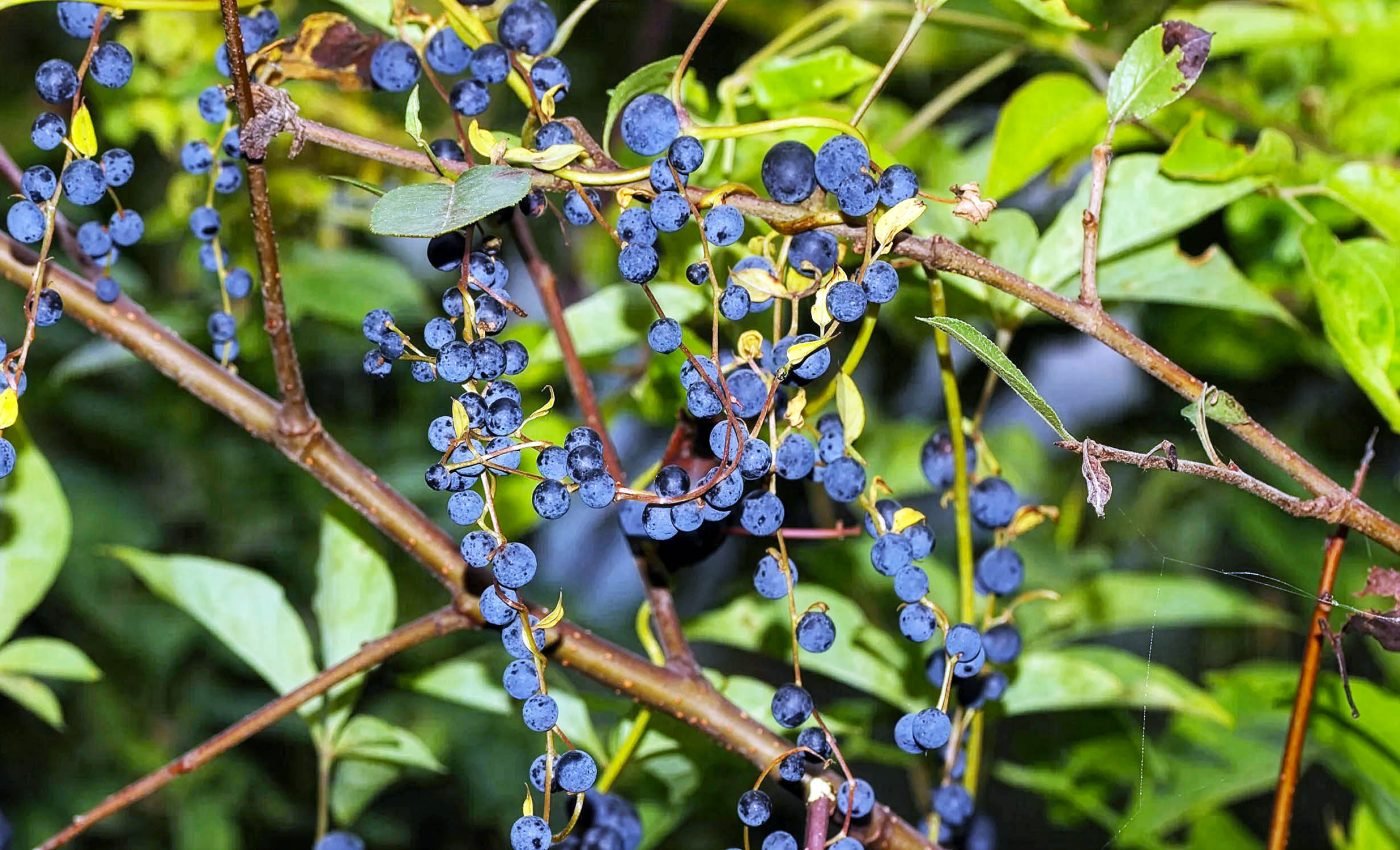

Nature is full of clever tricks, but few are as fascinating as the way some plants deceive birds into becoming their seed distributors. In the wild, survival depends on reproduction, and plants—despite being rooted in one place—have evolved astonishing strategies to spread their seeds far and wide. One of the most intriguing of these strategies involves fake berries: fruits that look nutritious and tempting but offer little to no reward.
To birds, berries are an essential food source. To plants, birds are free transportation. Over millions of years, this relationship has evolved into a delicate dance of mutual benefit—and sometimes, clever deception.
The Importance of Seed Dispersal
Plants cannot walk, fly, or move to new locations on their own. If seeds simply fall at the base of the parent plant, they must compete for sunlight, water, and nutrients. This is where animals, especially birds, become vital partners.
Birds eat fruits, fly long distances, and later excrete the seeds—often far from the original plant. This process, known as endozoochory, allows plants to colonize new areas, maintain genetic diversity, and survive environmental changes.
However, producing juicy, nutrient-rich fruit requires energy. Sugars, fats, and proteins all come at a cost. Some plants have evolved a shortcut: they create berries that look delicious but are nutritionally cheap.
What Are Fake Berries?
Fake berries are fruits that visually mimic real, nutritious berries but provide minimal food value. They are often low in sugars and fats, sometimes consisting mostly of water or fibrous material. From a bird’s perspective, however, they look nearly identical to edible fruits.
These berries exploit the way birds choose food. Birds rely heavily on color, size, and contrast, rather than taste, when selecting fruits. Bright red, blue, black, or purple berries signal ripeness and safety. Once swallowed, the plant’s goal is already achieved—the seed is on its way.
How Birds Are Fooled
Birds do not chew food the way mammals do. Most berries are swallowed whole, which means birds often don’t realize the fruit lacks nutritional value until it’s already digested. By then, the seed has safely passed through the digestive tract, sometimes even benefiting from the process.
In many cases, fake berries still provide just enough hydration or minimal sugars to avoid completely deterring birds. If a fruit were entirely useless, birds would quickly learn to avoid it. Successful deceptive plants strike a balance between low cost and sufficient reward.
Why Birds Keep Falling for the Trick
You might wonder why birds don’t simply learn to avoid fake berries. The answer lies in ecology and probability.
Birds forage quickly and must make fast decisions. Evaluating each berry’s nutritional content would take too much time and energy. Additionally, fake berries often grow alongside real berries, making it difficult for birds to distinguish between them.
From an evolutionary standpoint, the occasional low-quality meal is outweighed by the overall benefit of consuming fruit-rich diets. As long as birds get enough energy overall, the deception continues to work.
Plants Known for Deceptive Fruits
Several plant species are known or suspected to use this strategy:
1. Ornamental Shrubs
Some ornamental plants produce brightly colored berries designed more for visual appeal than nutrition. These berries persist on the plant longer than nutritious fruits, increasing the chance that birds will eventually eat them.
2. Pioneer Species
Plants that colonize disturbed or open land often rely on rapid seed spread. Producing low-cost berries allows them to invest more energy in quantity rather than quality.
3. Toxic Plants with Attractive Fruits
Some plants produce berries that are safe for birds but toxic to mammals. These fruits may offer little nutrition but are visually irresistible, ensuring seed dispersal while deterring other animals.
The Role of Color and Timing
Color plays a critical role in berry deception. Birds are especially attracted to:
- Red and black berries (common signals of ripeness)
- High contrast against green foliage
- Glossy or reflective surfaces
Timing is also essential. Fake berries often ripen during seasons when food is scarce, increasing the likelihood that birds will eat them despite low nutritional value.
A Game of Evolutionary Strategy
This deceptive relationship is an example of evolutionary trade-offs. Plants that invest less energy per fruit can produce more fruits overall. Even if some birds avoid them in the future, enough birds will still take the bait.
Interestingly, this doesn’t mean birds are losing the evolutionary battle. Birds benefit from fruit availability in general, while plants benefit from bird mobility. The system remains stable because the deception is subtle, not extreme.
Do Fake Berries Harm Birds?
In most cases, fake berries do not harm birds. They are usually non-toxic and digestible, even if they lack nutrients. Birds simply receive less energy from them compared to real berries.
However, problems arise when human landscaping introduces large numbers of ornamental plants with low-nutrition fruits. In urban areas, birds may rely heavily on these plants, leading to poor diet quality. This is why wildlife experts often recommend planting native fruiting plants that provide proper nutrition.
Human Influence on Berry Deception
Humans have unintentionally amplified this phenomenon. Many decorative plants are bred for appearance rather than ecological value. Bright berries that last through winter may look beautiful, but they can mislead birds into consuming food that offers little sustenance.
This doesn’t mean fake-berry plants are “bad,” but it highlights the importance of biodiversity. A mix of native, nutritious plants helps balance the ecosystem.
What This Teaches Us About Nature
The existence of fake berries reveals how complex and creative evolution can be. Plants are not passive organisms—they actively shape animal behavior through visual signals and chemical design.
This strategy also shows that cooperation in nature is rarely perfect. Mutualism often exists on a spectrum, blending cooperation with subtle manipulation.
Final Thoughts
The idea that some plants make fake berries to trick birds into spreading their seeds is a powerful reminder that nature operates through both beauty and strategy. What appears to be a simple berry is actually the result of millions of years of evolutionary experimentation.
Birds, plants, and ecosystems continue to coexist in a delicate balance—one where deception doesn’t break the system but becomes part of it. The next time you see a bird pluck a bright berry from a bush, remember: it might not just be a meal—it could be a carefully crafted illusion designed to send a seed on a long journey.