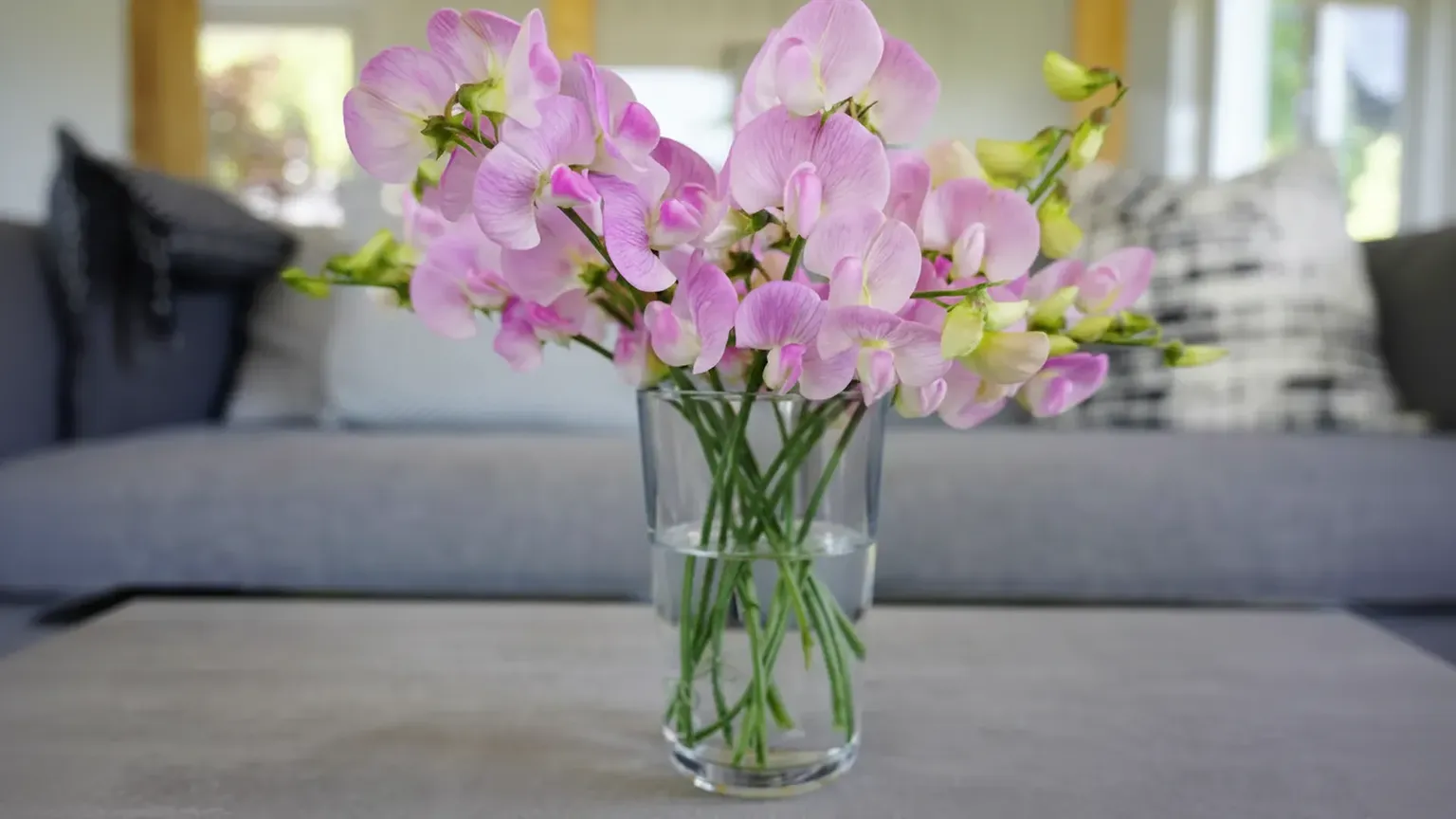

Orchids have a reputation for being delicate, but they are far more resilient than many people think. Still, winter can be a challenging season for these tropical and subtropical plants. Shorter days, cooler temperatures, dry indoor air, and reduced airflow can all affect orchid health. With a few thoughtful adjustments, however, you can help your orchids not only survive winter but remain strong and ready to bloom again.
This guide explores five simple, practical ways to care for orchids during winter. Whether you grow phalaenopsis on a windowsill or have a small indoor collection, these tips will help keep your plants healthy through the colder months.
1. Adjust Light Without Exposing Orchids to Cold
Light is one of the most important factors in orchid health, and winter light is very different from summer light. Days are shorter, the sun is lower in the sky, and many homes receive less natural brightness overall.
Maximize Available Light
Move orchids closer to windows during winter, especially those facing south or east. These exposures usually provide the brightest winter light without intense midday sun. Clean windows regularly, as dust and grime can significantly reduce the amount of light reaching your plants.
If natural light is limited, consider using a grow light. Even a simple LED grow bulb placed 8–12 inches above the plant for 10–12 hours a day can make a noticeable difference. Consistent light helps orchids maintain strong leaves and supports future flowering.
Avoid Cold Drafts
While brighter windows are helpful, be cautious of cold air. Orchids should not touch cold glass, and they should be protected from drafts caused by leaky windows or doors. Sudden temperature drops can stress plants and damage leaves.
A good rule of thumb is this: if the area feels uncomfortable for you to sit in for long periods, it is probably uncomfortable for your orchid as well.
2. Water Less, But More Carefully
One of the most common mistakes in winter orchid care is overwatering. Orchids grow more slowly in winter, meaning they use less water. At the same time, cooler temperatures cause moisture to evaporate more slowly, increasing the risk of root rot.
Let the Medium Dry Slightly
Before watering, always check the potting medium. It should be dry to the touch on the surface and slightly dry below, depending on the orchid type. Clear pots can help you see root color: green roots usually indicate moisture, while silvery roots suggest it is time to water.
When you do water, do so thoroughly. Allow water to flow through the pot and drain completely. Never let orchids sit in standing water, especially during winter.
Watch Water Temperature
Cold water can shock orchid roots. Use room-temperature water whenever possible. If your tap water is very cold in winter, let it sit for a short time before watering to bring it closer to room temperature.
3. Maintain Humidity in Dry Indoor Air
Most orchids naturally grow in environments with moderate to high humidity. Winter heating systems, however, dry out indoor air significantly, which can lead to wrinkled leaves, slow growth, and bud drop.
Increase Humidity Safely
Aim for humidity levels between 40% and 60% for most common orchids. There are several simple ways to achieve this:
- Use a humidity tray filled with water and pebbles beneath the orchid pot (ensuring the pot does not sit directly in water).
- Group plants together so they create a more humid microclimate.
- Use a small room humidifier near your orchids, especially if you have multiple plants.
Balance Humidity and Airflow
While humidity is important, stagnant air can encourage fungal and bacterial problems. Gentle airflow from a fan in the room (not blowing directly on the plants) helps keep leaves dry and healthy.
4. Keep Temperatures Stable and Appropriate
Orchids generally prefer stable temperatures. Winter conditions can create wide temperature swings between day and night or between different areas of a home.
Ideal Winter Temperature Ranges
Most popular orchids, such as phalaenopsis, do well in daytime temperatures between 65–75°F (18–24°C) and nighttime temperatures around 60–65°F (15–18°C). Slightly cooler nights are usually beneficial and can even encourage blooming.
Problems arise when temperatures drop too low or fluctuate dramatically. Avoid placing orchids near radiators, heating vents, fireplaces, or exterior doors, as these can cause stress through rapid temperature changes.
Protect During Extreme Cold
If you live in a very cold climate, be extra cautious during freezing weather. Even brief exposure to near-freezing air can damage orchids. When moving plants or airing out rooms, ensure orchids are well away from cold drafts.
5. Fertilize Lightly and Observe Closely
Winter is typically a rest or slow-growth period for orchids. While they still benefit from nutrients, their needs are reduced compared to spring and summer.
Reduce Fertilizer Strength and Frequency
Use a balanced orchid fertilizer at quarter to half strength, and apply it less frequently—about once a month is usually sufficient during winter. Overfertilizing during low-light conditions can lead to salt buildup in the potting medium and damage roots.
Flush pots with plain water occasionally to remove excess salts, especially if you fertilize regularly.
Watch for Early Signs of Stress
Winter is a good time to closely observe your orchids. Check leaves for yellowing, spotting, or shriveling. Examine roots when possible, and watch for pests such as spider mites, which thrive in dry indoor air.
Catching small issues early makes them much easier to correct before they become serious problems.
Final Thoughts
Caring for orchids in winter does not require complicated techniques or expensive equipment. By making a few simple adjustments—improving light, watering more thoughtfully, increasing humidity, stabilizing temperatures, and fertilizing lightly—you can keep your orchids healthy through the coldest months of the year.
Winter care is also an investment in future blooms. Healthy leaves and roots developed during winter set the stage for strong growth and flowering when spring returns. With patience and attention, your orchids can continue to thrive, proving that even in winter, these elegant plants are far from fragile.